Big dinosaur questions
Long neck dinosaurs
Long neck dinosaurs are called sauropods (say it: SORE-oh-pods). They all ate plants, and the largest of them were bigger than any other animal that has ever walked on land.
Here's how to tell them apart, why their necks were SO long, and one you can put in your room.
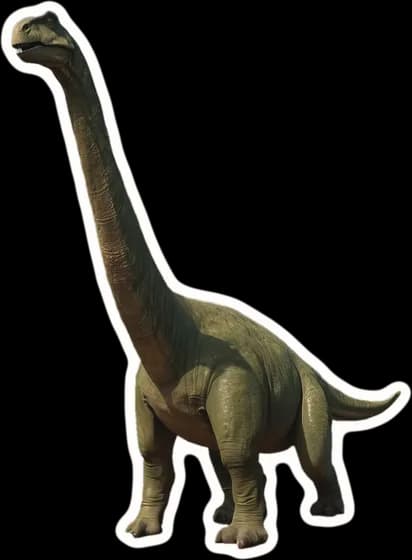
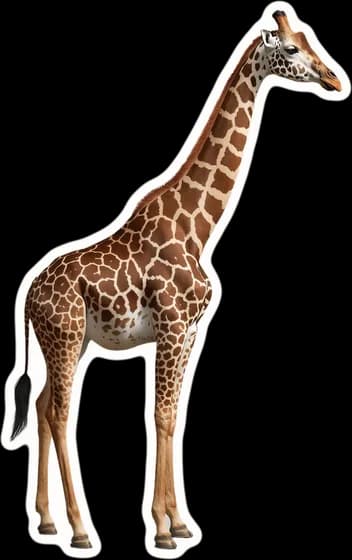
You think MY neck is long? One dinosaur's neck was eight times longer!
The short answer
- Long neck dinosaurs are called sauropods. Famous ones are Brachiosaurus, Apatosaurus, Brontosaurus and Diplodocus.
- To tell them apart, look at the legs, the neck and the tail. Brachiosaurus had long front legs. Diplodocus had a super long tail.
- The longest neck found so far was about 15 meters (49 feet), on a Mamenchisaurus. That's more than eight giraffe necks.
Spot the difference
Which long neck is which?
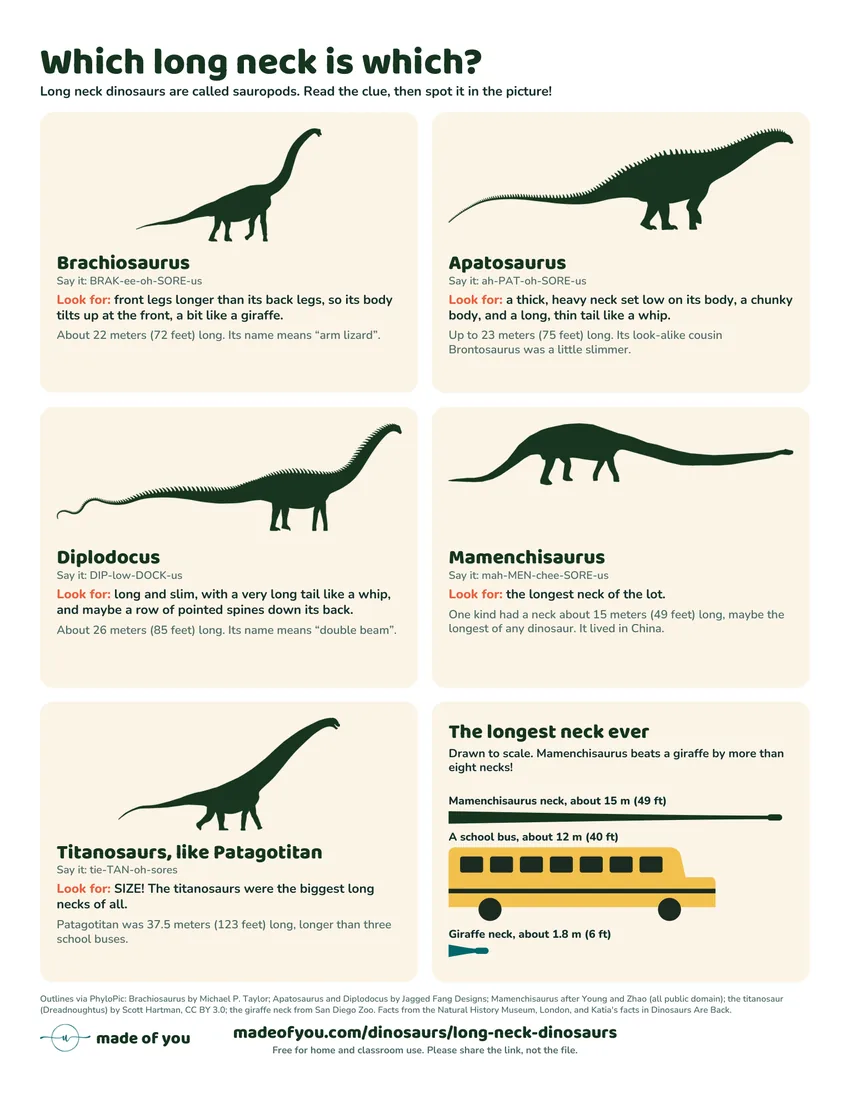
They all had long necks, long tails and four big legs. The clue on each card tells you what to look for. (The pictures aren't to scale: the size chart for that is here.)
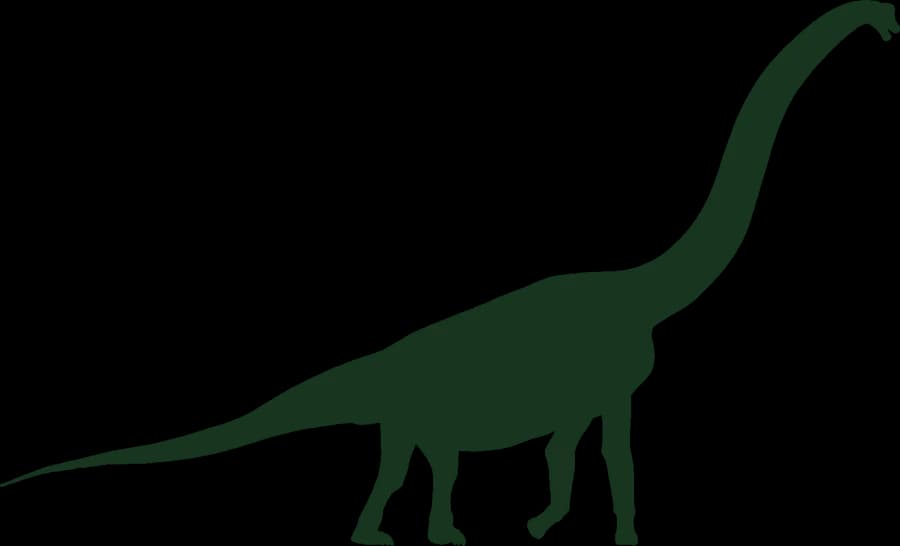
Say it: BRAK-ee-oh-SORE-us
Look for: Front legs longer than its back legs, so its body tilts up at the front, a bit like a giraffe.
About 22 meters (72 feet) long. Its name means “arm lizard”.
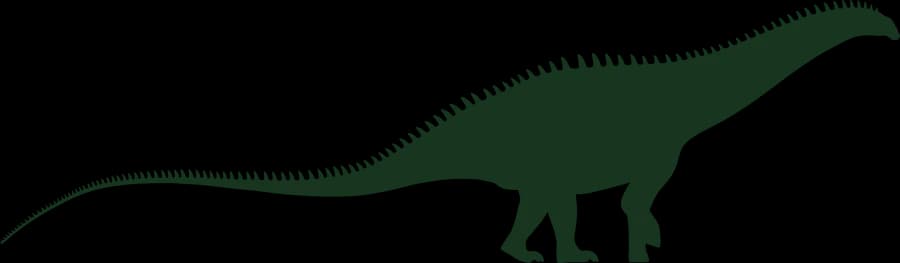
Say it: ah-PAT-oh-SORE-us
Look for: A thick, heavy neck set low on its body, a chunky body, and a long, thin tail like a whip.
Up to 23 meters (75 feet) long, says Katia. Its look-alike cousin Brontosaurus was a little slimmer. Is Brontosaurus real?
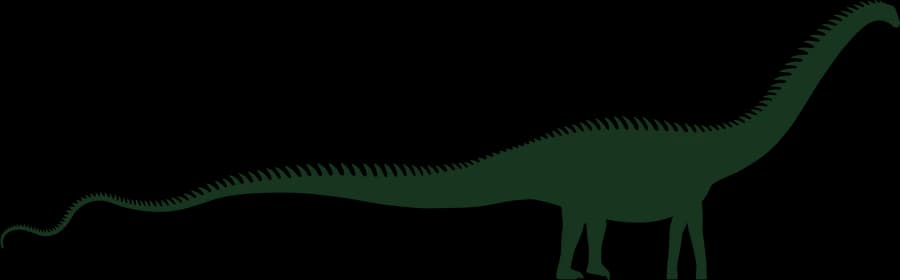
Diplodocus
Say it: DIP-low-DOCK-us
Look for: Long and slim, with a very long tail like a whip, and maybe a row of pointed spines down its back.
About 26 meters (85 feet) long. Its name means “double beam”.

Mamenchisaurus
Say it: mah-MEN-chee-SORE-us
Look for: The longest neck of the lot.
One kind had a neck about 15 meters (49 feet) long, maybe the longest of any dinosaur. It lived in China.
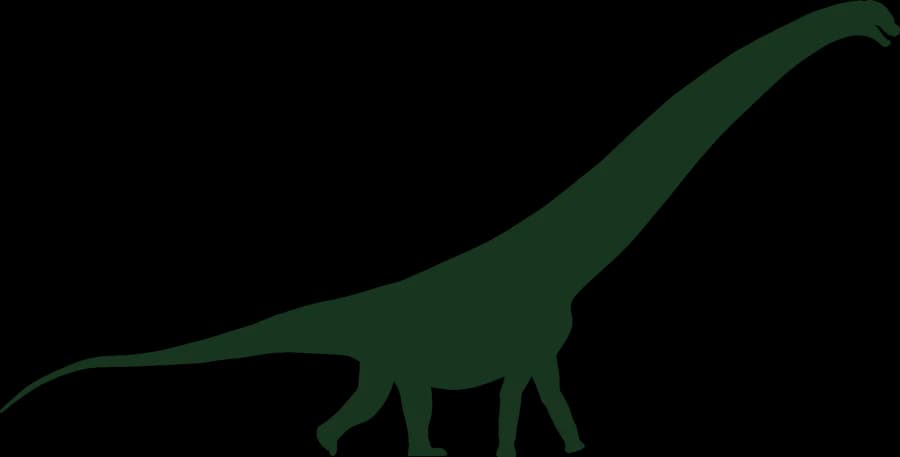
Say it: tie-TAN-oh-sores
Look for: SIZE! The titanosaurs were the biggest long necks of all.
Patagotitan was 37.5 meters (123 feet) long, longer than three school buses.
Is every long neck a Brontosaurus?
Lots of people call any long neck dinosaur a Brontosaurus, but Brontosaurus was just one of them. For more than 100 years, scientists even said it wasn't real. Spoiler: it is.
The Brontosaurus story
All five are on the free “Which long neck is which?” card, ready to print.
Why such long necks?
To reach the best food
Katia explains it on the last page of Dinosaurs Are Back:
Its long neck helped it reach the highest leaves on trees, where the best food was.
Scientists at the Natural History Museum in London add another reason. With a long neck, a sauropod could stand still and stretch high, low and wide for the best plants, without taking a single step. When you're that big, walking around all day is hard work.
No chewing
Sauropods didn't chew their food. They swallowed leaves whole, so they didn't need many teeth. Brachiosaurus had only 50 or less.
Bones full of air
Some of their bones were hollow and full of air, a bit like a bird's. That made their giant bodies lighter, but still strong.
Drawn to scale
The longest neck ever
A giraffe's neck is about 1.8 meters (6 feet) long. That sounds like a lot, until you meet Mamenchisaurus sinocanadorum from China. Its neck was about 15 meters (49 feet) long, longer than a school bus. It may be the longest neck of any dinosaur ever found.
- Mamenchisaurusneck about 15 m (49 ft)just the neck!
- Giraffeneck about 1.8 m (6 ft)
- You, lying downabout 1.2 m (4 ft)
True or false?
Long neck myths
“They lived in lakes.”
Mostly false. Old pictures show sauropods in swamps, because scientists once thought they were too heavy to walk on land. But their legs, backs and feet were built for carrying great weight on land. They probably waded in the shallows now and then.
“The long neck with flippers was a dinosaur.”
False. The long-necked animals with flippers were plesiosaurs, sea reptiles that lived at the same time as the dinosaurs. They weren't dinosaurs at all.
“Some of them ate meat.”
False. Every sauropod was a plant-eater. They munched leaves from trees and other plants.
Is a Brachiosaurus friendly?
In Spike's story, she's one of the kindest dinosaurs he meets. In real life, sauropods ate plants, so a Brachiosaurus wasn't hunting anybody. But it weighed about 46,900 kilograms (103,000 pounds), so you'd still want to keep your toes out of the way.
I had to cross the lake, and I can't swim. Idea alert! She gave me a warm smile and showed me a secret path, where lots of Brachiosauruses were drinking.
I hopped from one back to the next, about twenty of them, all the way to the other side!
Spike, the young Triceratops from Dinosaurs Are Back
No app needed
Put a long neck in your room
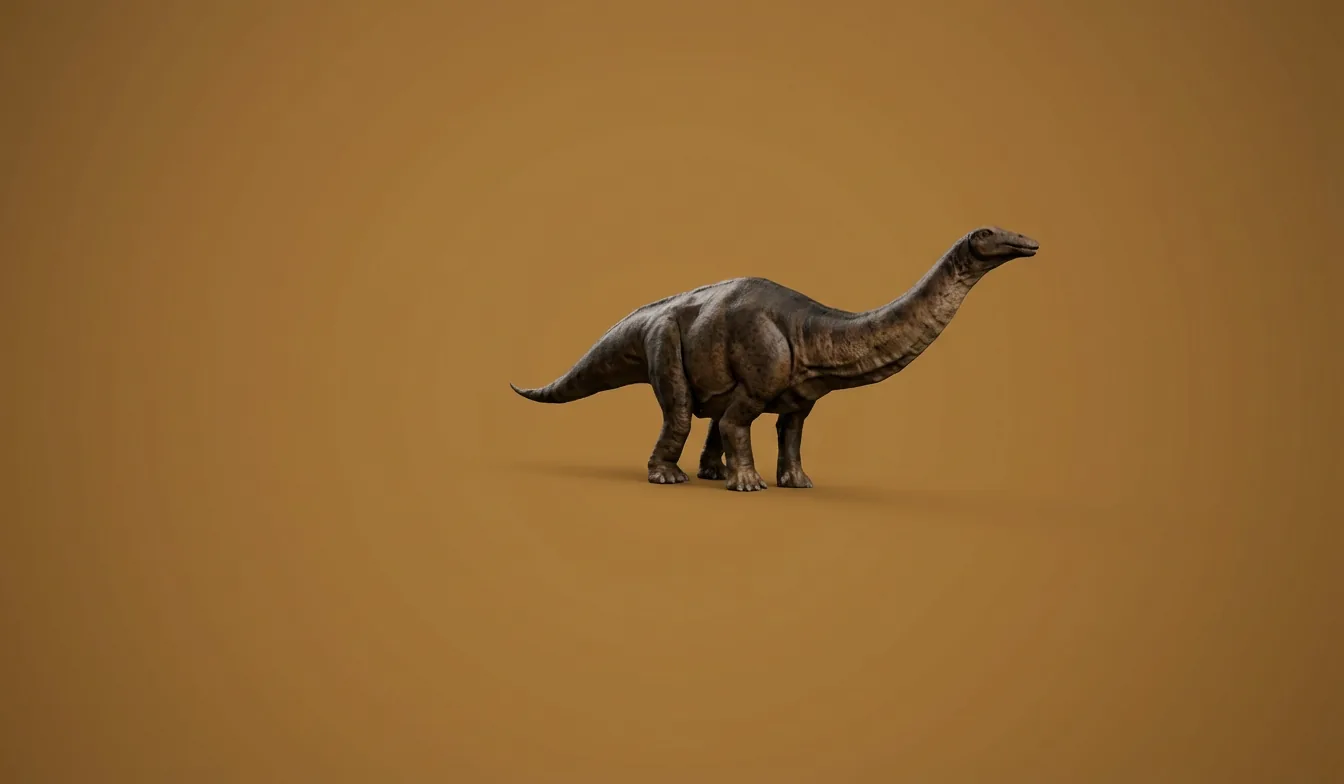
This is the Apatosaurus from Dinosaurs Are Back. Turn it with your finger or mouse. On a phone or tablet, tap “See it in your room” and it stands in your living room. We made it small enough to fit, because a real one wouldn't get through the front door.
See if you can spot the clues from the card: the thick neck and the long, whip-like tail.
Free, no sign-up
Print the “Which long neck is which?” card
All five long necks on one page, each with its “look for” clue, plus the longest neck ever against a giraffe's. Take it to a museum and play spot the sauropod!
There's a black and white version to color in, too.
Free for home and classroom use. Please share the link to this page rather than the file.
Questions kids ask
Quick answers
- What are long neck dinosaurs called?
- Sauropods (say it: SORE-oh-pods). They were plant-eaters with long necks, long tails and four big legs. Brachiosaurus, Apatosaurus, Brontosaurus and Diplodocus were all sauropods.
- Which dinosaur had the longest neck?
- Mamenchisaurus sinocanadorum, from China. Its neck was about 15 meters (49 feet) long, more than eight times as long as a giraffe's. It may be the longest dinosaur neck ever found.
- What is the difference between Brachiosaurus and Apatosaurus?
- Look at the legs. Brachiosaurus had front legs longer than its back legs, so its body tilted up at the front. Apatosaurus had a thick, heavy neck that sat low on its body, and a long, thin tail like a whip.
- Why did sauropods have such long necks?
- Katia's answer, from Dinosaurs Are Back: "Its long neck helped it reach the highest leaves on trees, where the best food was." A long neck also let a sauropod stand in one spot and eat from a wide area without walking around.
- Did long neck dinosaurs live in water?
- Mostly not. Scientists once thought they were too heavy to walk on land. But their legs, backs and feet were built for carrying great weight on land, though they probably waded in the shallows.
- Did long neck dinosaurs eat meat?
- No, they all ate plants. They had few teeth and didn't chew: they swallowed their leaves whole.
- Was the long neck with flippers a dinosaur?
- No. The long-necked animals with flippers were plesiosaurs, sea reptiles that lived at the same time as the dinosaurs. They weren't dinosaurs.
Keep asking
More big dinosaur questions
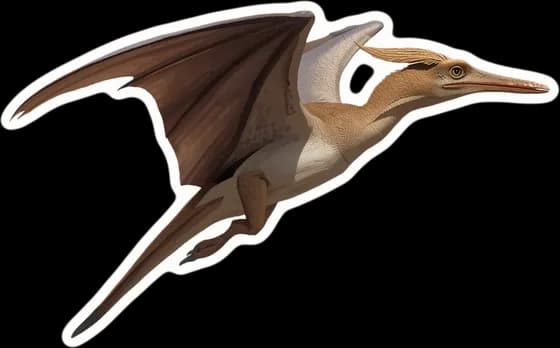 Which flying dinosaurs were real dinosaurs?Pteranodon wasn't a dinosaur. But one kind of flying dinosaur is still around today.Find out →
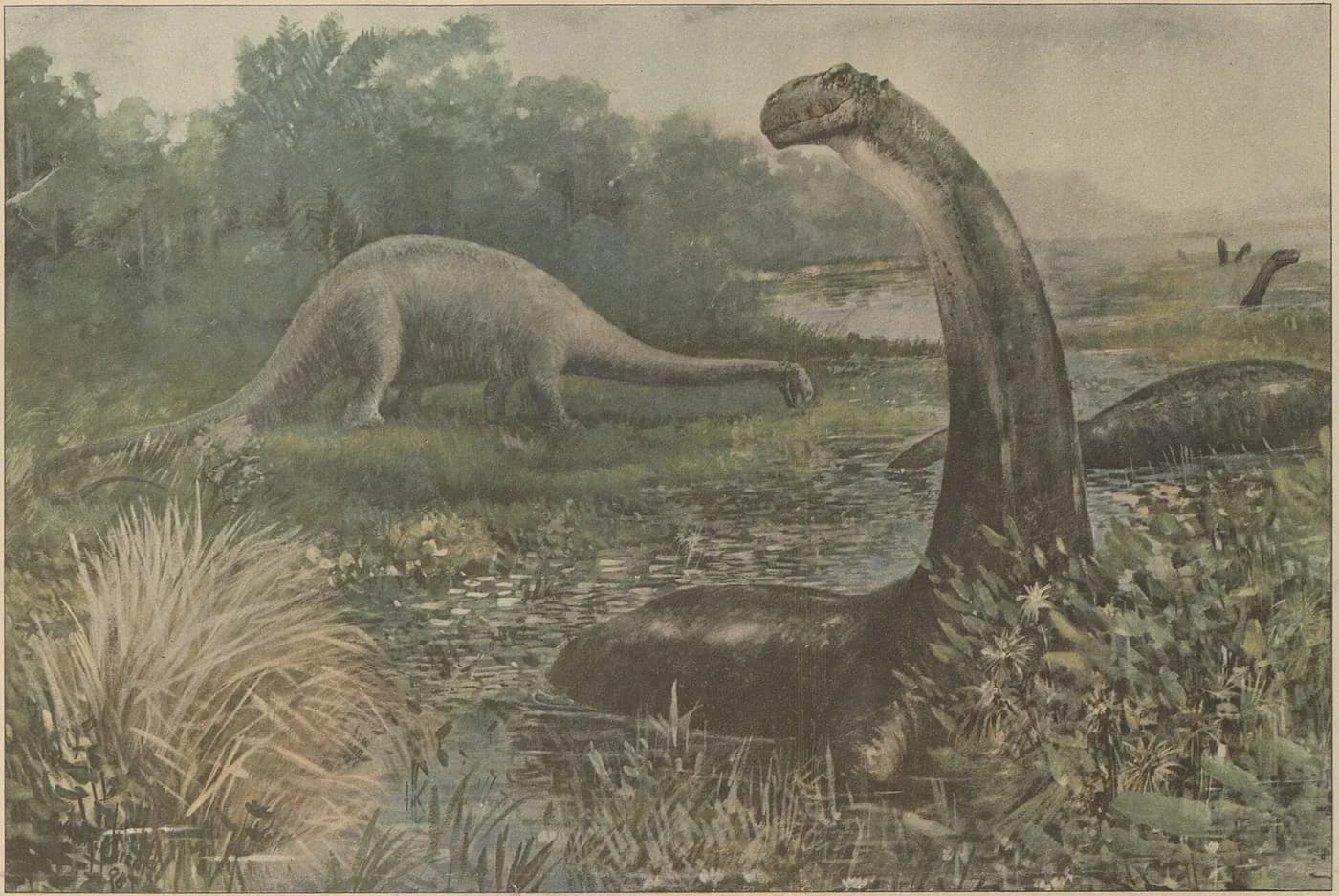 Is Brontosaurus real?Scientists took its name away in 1903. In 2015 they gave it back.Find out →
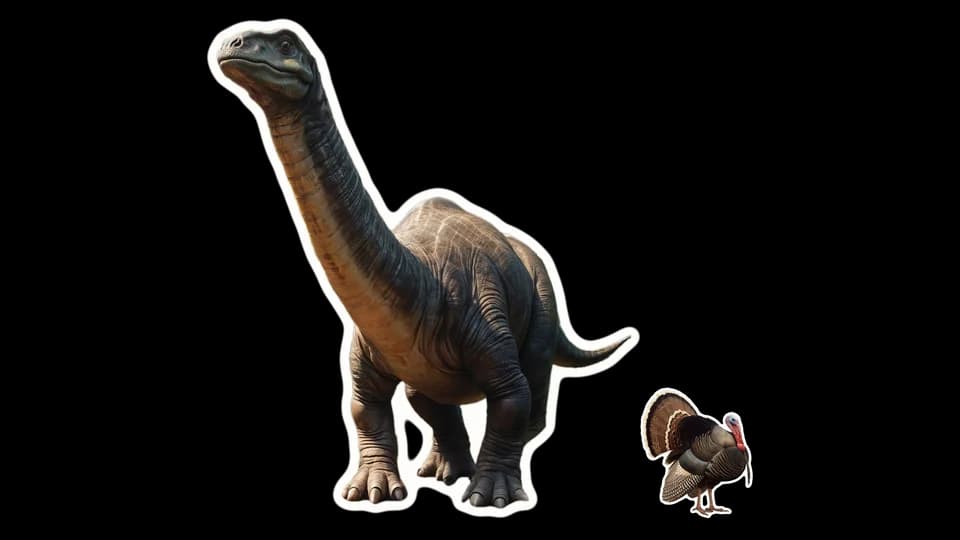 What was the biggest dinosaur?Longer than three school buses! Meet the giants, the biggest meat-eater and the smallest dinosaur too.Find out →
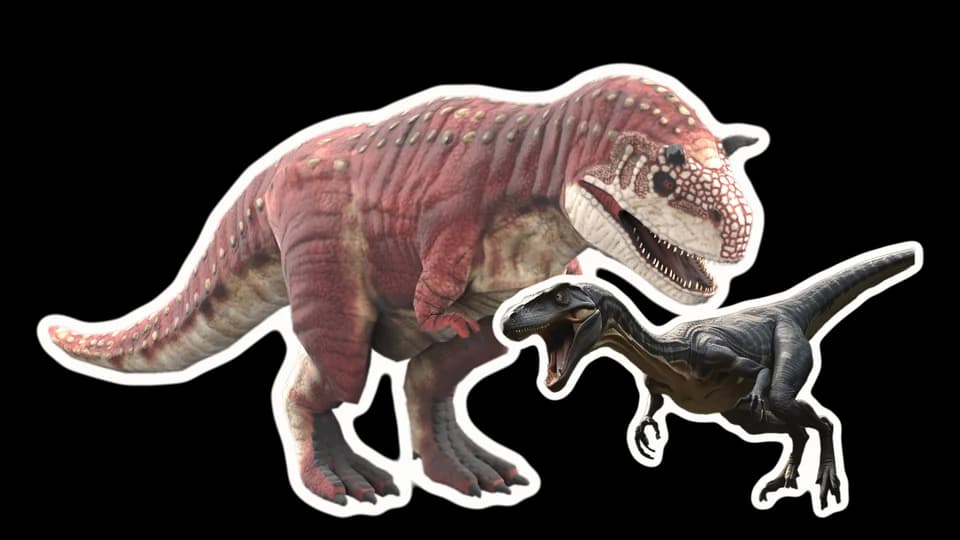 What was the fastest dinosaur?Probably one that looked a lot like an ostrich. And the fastest dinosaur of all is alive today.Find out →
Or meet all ten dinosaurs from Dinosaurs Are Back, each with a fun fact and a riddle.
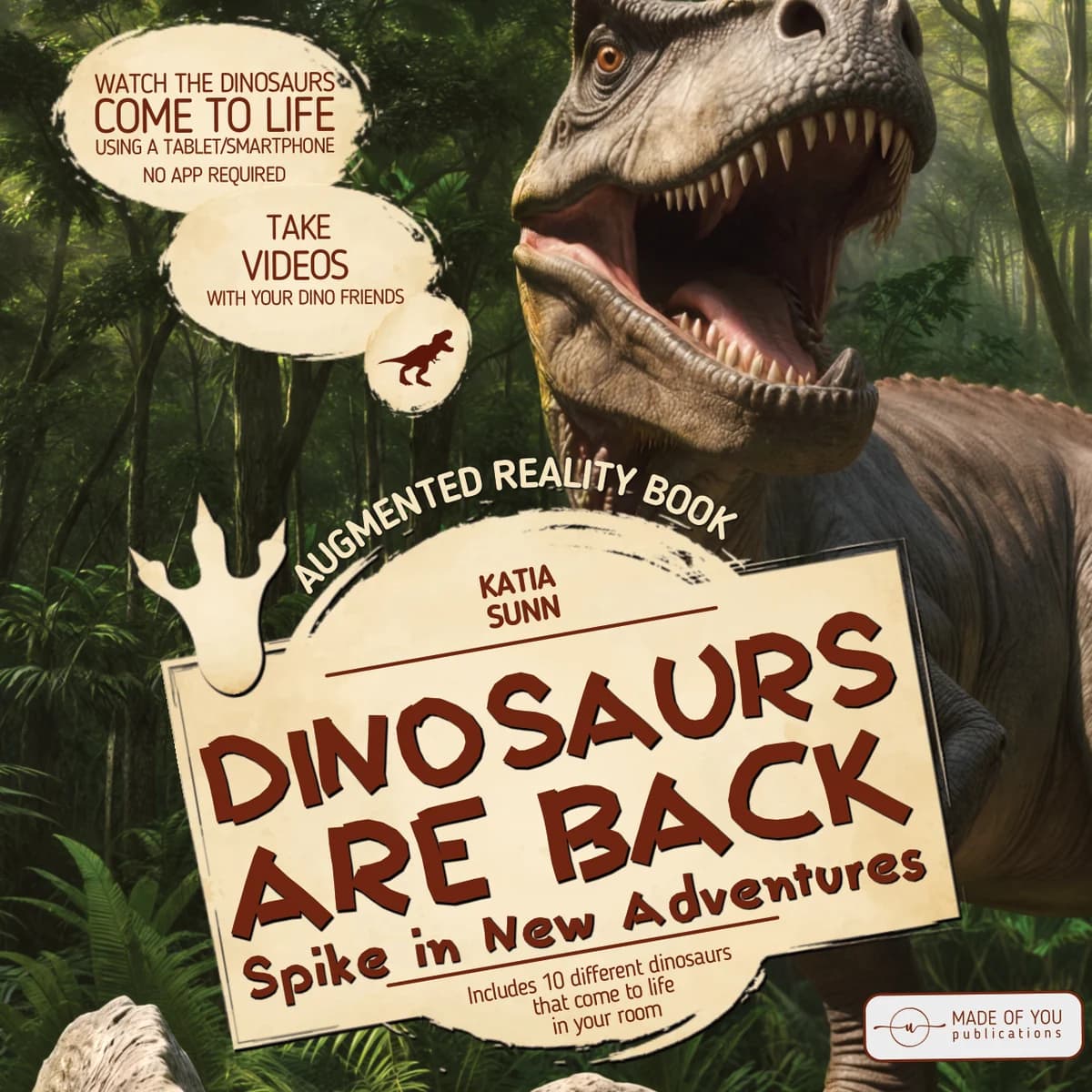
The book · ages 6 to 10
Dinosaurs Are Back
Spike crosses a lake on the backs of twenty Brachiosauruses and hunts for a pineapple to cheer up a sad Apatosaurus. All ten dinosaurs step off the page with a phone or tablet.
Where these facts come from
Katia's facts are from the last page of Dinosaurs Are Back. Everything else was checked on these pages on September 27, 2026.
- Natural History Museum, London: Brachiosaurus: front legs, the tilted body, leaves swallowed whole
- Natural History Museum, London: Diplodocus: 26 m, double beam, whip-like tail, spines
- Natural History Museum, London: Apatosaurus: the whip tail
- Natural History Museum, London: Mamenchisaurus: China, 155 to 145 million years ago
- Natural History Museum, London: What was the biggest dinosaur?: the 15 m neck, Patagotitan
- Natural History Museum, London: Why were dinosaurs so big?: long necks, few teeth, air-filled bones
- Natural History Museum, London: Brontosaurus, reinstating a prehistoric icon: Apatosaurus's neck, land or water
- Natural History Museum, London: What are dinosaurs?: plesiosaurs are not dinosaurs
- National Park Service: Major groups of dinosaurs: sauropods
- San Diego Zoo: Giraffe: a 6-foot (1.8-meter) neck
Picture credits
- Brachiosaurus silhouette: Michael P. Taylor, via PhyloPic, public domain (CC0).
- Apatosaurus and Diplodocus silhouettes: Jagged Fang Designs, via PhyloPic, public domain (CC0).
- Mamenchisaurus silhouette: after Young and Zhao (1972), modified by Michael P. Taylor, via PhyloPic, public domain (CC0).
- Titanosaur silhouette (Dreadnoughtus): Scott Hartman, via PhyloPic, CC BY 3.0.
- Giraffe silhouette: Steven Traver, via PhyloPic, public domain (CC0).