Kinds of dinosaurs
Duck-billed dinosaurs
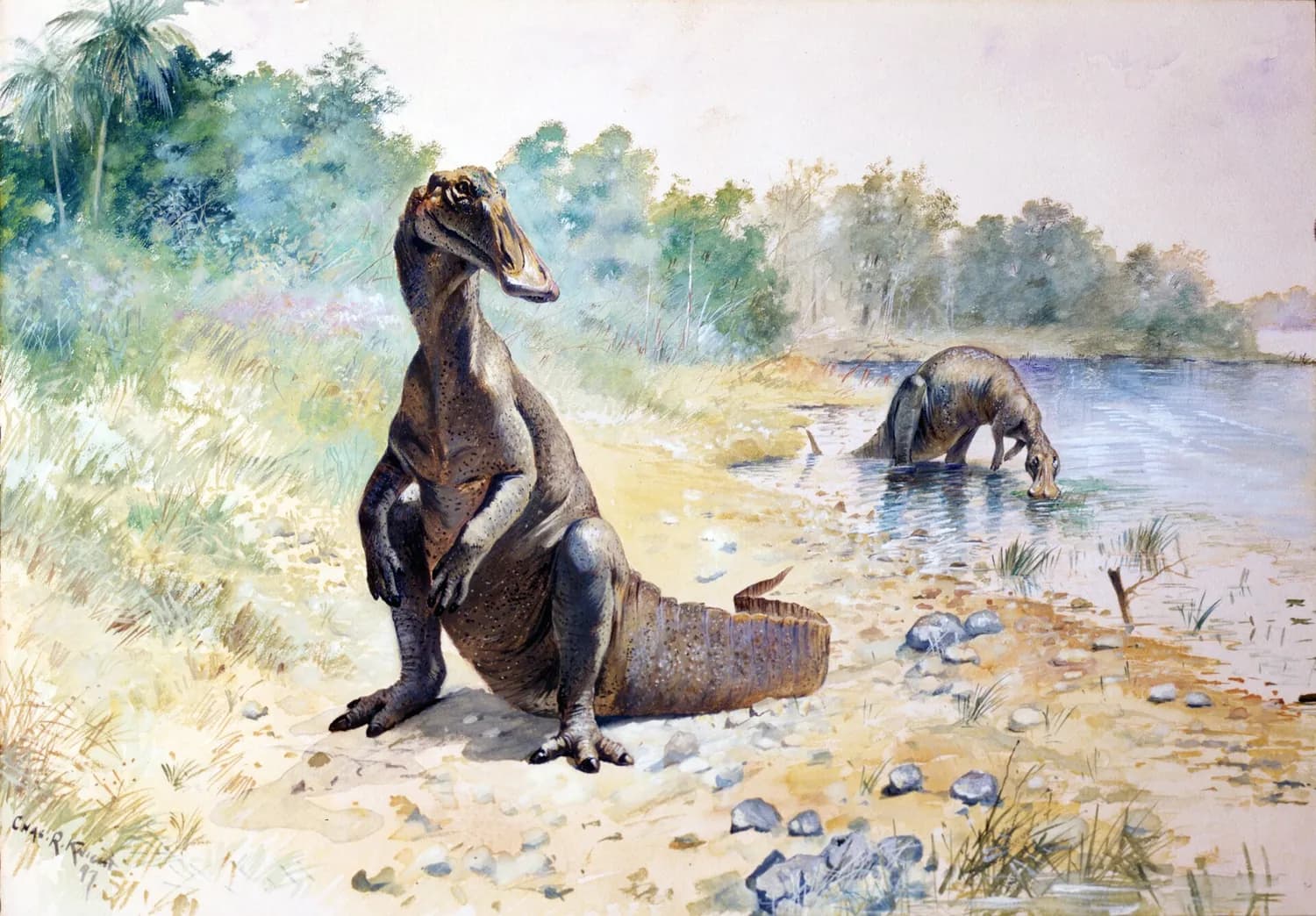
A big dinosaur with a beak like a duck's? That's a hadrosaur, a duck-billed dinosaur. They ate plants, lived in herds, and some of them wore a crest on their heads like a hat.
Find out which duck bill is which, and why one of them had a thousand teeth.
The short answer
- Duck-billed dinosaurs are called hadrosaurs. Edmontosaurus, Maiasaura and Corythosaurus are three of them.
- The “duck bill” is a wide, flat beak with no teeth at the front. Behind it sat hundreds of grinding teeth.
- Some had a crest on the head: a helmet, a hatchet or a long hollow tube.
Spot the difference
Which duck bill is which?
Duck bills all had the same kind of body. To tell them apart, look at the top of the head. (The pictures aren't to scale.)
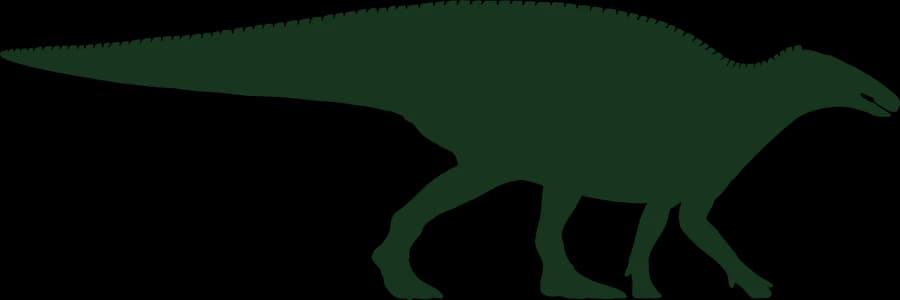
Edmontosaurus
Say it: ed-MON-toe-sore-us · “Edmonton lizard”
Look for: No fancy crest. A long head with a wide, flat beak.
The longest one on this page, about 13 meters (43 feet). It lived at the same time as T. rex.
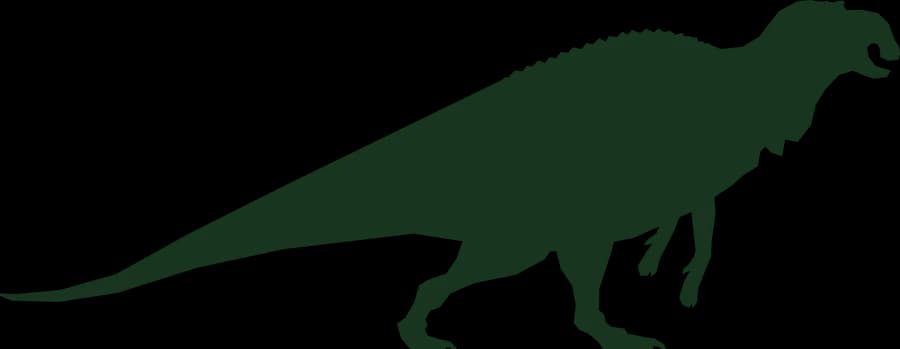
Maiasaura
Say it: my-ah-SORE-ah · “good mother lizard”
Look for: A plain duck bill, about 9 meters (30 feet) long.
Famous for its nests, found at a place in Montana called Egg Mountain.
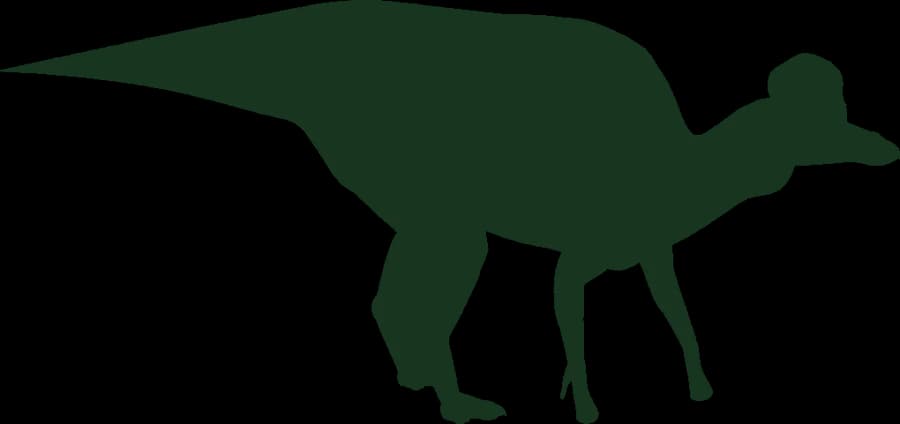
Corythosaurus
Say it: koh-rith-OH-sore-us · “Corinthian helmet lizard”
Look for: A tall, narrow crest shaped like a helmet.
About 10 meters (33 feet) long.
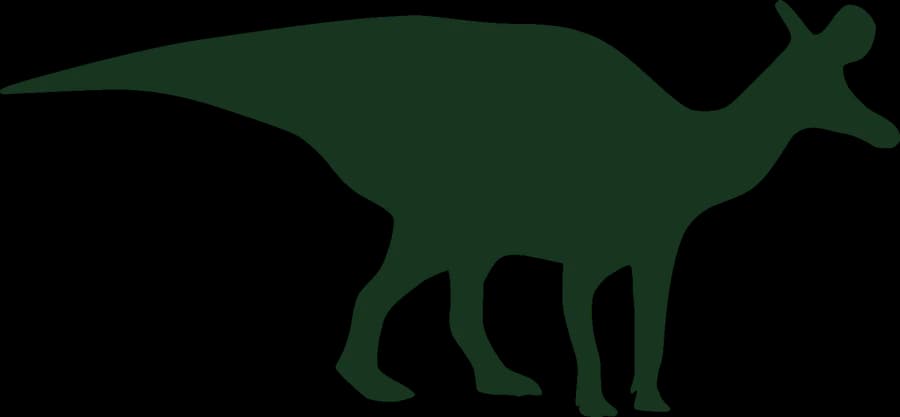
Lambeosaurus
Say it: lam-BEE-oh-SORE-us · “Lambe's lizard”
Look for: A crest shaped like a hatchet.
The crest was hollow, with air passages from its nose running through it.
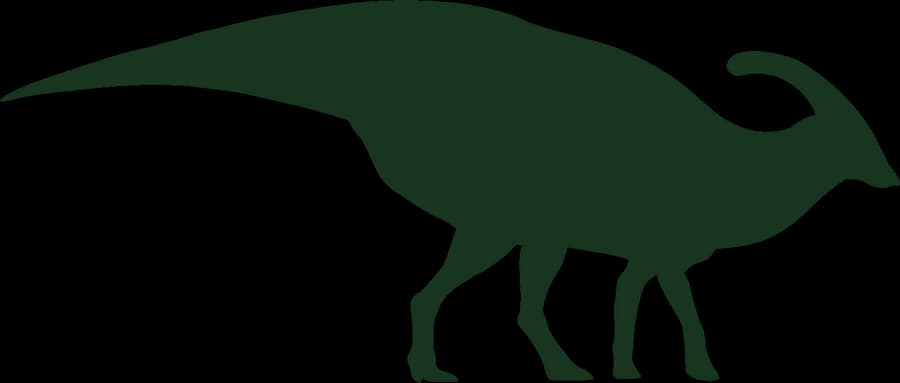
Parasaurolophus
Say it: pa-ra-saw-ROL-off-us
Look for: A long, hollow tube sweeping back from its head.
Scientists have worked out the sound it could make by blowing air through that tube: a deep, low bellow.
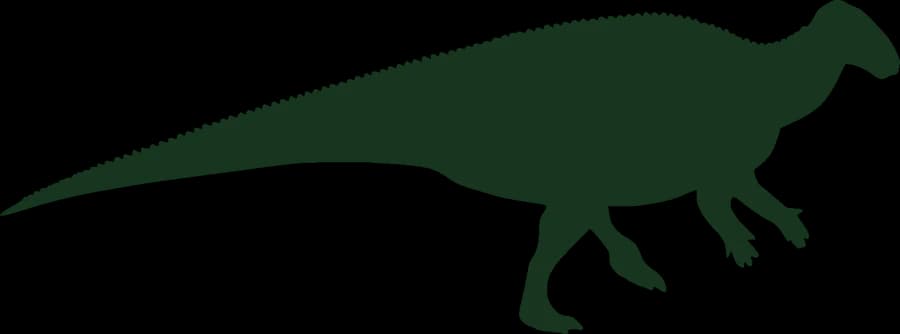
Hadrosaurus
Say it: HAD-row-SORE-us · “big lizard”
Look for: The one that gave the whole family its name.
It was dug up in New Jersey in 1858. Ten years later it became the first dinosaur skeleton ever put on show.
The name
Why are they called duck-billed dinosaurs?
Because of the snout. It was wide and flat, like a duck's bill, with no teeth at the front. But that's where the duck ends. Hadrosaurs didn't paddle about on ponds. They were big land animals that ate tough plants.
Two legs or four?
Safety in numbers
An older cousin with spiky thumbs
Behind the beak
The dinosaur with a thousand teeth
A duck bill had no teeth at the front of its mouth, but look further back. Edmontosaurus had 1,000 grinding teeth, packed together in rows. It only used a few at a time. The rest waited underneath, ready to move up when a tooth wore out.
And they did wear out. Chewing pine needles, twigs and seeds all day is hard work. By the end of the dinosaurs' time, a duck bill could wear through a tooth in as little as 50 days.
Compare that with one of the long necks, which didn't chew at all:
Even though Brachiosaurus had only 50 teeth or less, it could eat 100 to 400 kilograms (220 to 881 pounds) of plants every day!
What was for dinner?
Who hunted them?
T. rex tooth marks have been found on Edmontosaurus bones. The other duck bills lived a little earlier, and had earlier cousins of T. rex to worry about.
A T. rex's lunch, in fossil poo
A fossil poo from a T. rex, found in Canada, was full of bone from a young duck bill.
Skin and all
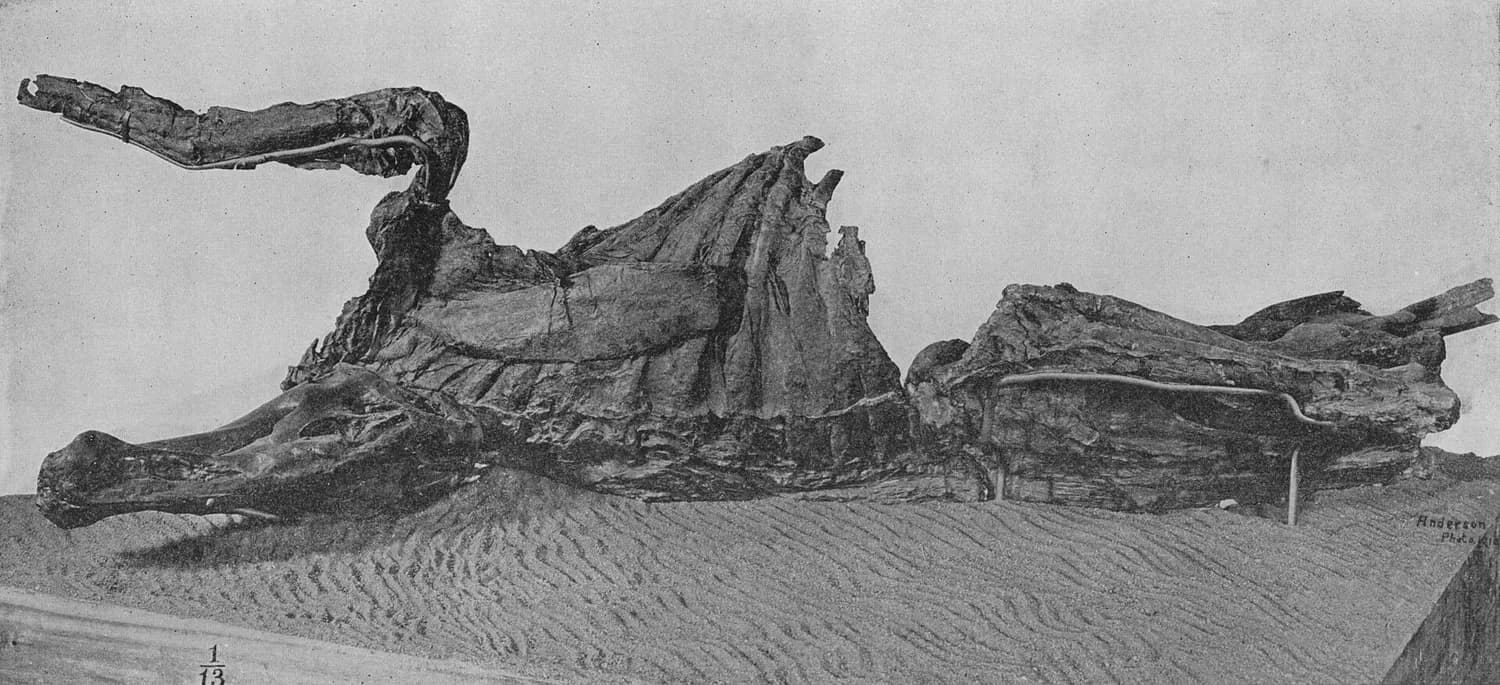
A dinosaur mummy
Most fossils are only bones. But two Edmontosaurus fossils found in Wyoming are so well kept that people call them mummies. You can see the pattern of the scales on the skin, the hard beak, and even the pads on the hands.
Another one, nicknamed Dakota, was found by a high school student in North Dakota in 1999.
The good mother lizard
Maiasaura means “good mother lizard”. At Egg Mountain in Montana, scientists found its nests, its eggs and its young at different ages, all in one place.
The first dinosaur on show
Helmets, hatchets and tubes
What were the crests for?
Nobody knows for sure. The crests were hollow, with long air passages from the nose running through them. Experts think a crest may have helped a dinosaur to spot others of its own kind, to make loud sounds, or to keep cool or warm.
Other dinosaurs had crests too. Dilophosaurus, a meat-eater, had two.
Questions kids ask
Quick answers
- What is a duck-billed dinosaur called?
- A hadrosaur. Edmontosaurus, Maiasaura, Corythosaurus and Lambeosaurus were all hadrosaurs. The group is named after Hadrosaurus, the first one ever named.
- Why are they called duck-billed dinosaurs?
- Because of their wide, flat snouts, which look like a duck's bill. But they weren't much like ducks: they were big plant-eaters that lived on land.
- How many teeth did a duck-billed dinosaur have?
- Hundreds. Edmontosaurus had 1,000 grinding teeth! It only used a few at a time. The rest waited underneath, ready to take over when a tooth wore out.
- What did duck-billed dinosaurs eat?
- Tough plants. Pine needles, twigs and seeds have been found in the stomachs of Edmontosaurus.
- Did duck-billed dinosaurs walk on two legs or four?
- Both. They probably spent most of their time on all fours, but they could rise up on their back legs.
- Which duck-billed dinosaurs had a crest?
- Corythosaurus had a crest like a helmet, Lambeosaurus one like a hatchet, and Parasaurolophus a long hollow tube. Edmontosaurus had no fancy crest at all.
- What is a dinosaur mummy?
- A fossil that still shows the animal's skin. Two Edmontosaurus mummies found in Wyoming show the pattern of the scales, the beak and even the pads of the hands.
- Did T. rex eat duck-billed dinosaurs?
- Yes. T. rex tooth marks have been found on Edmontosaurus bones.
Keep sorting
More kinds of dinosaurs
 Dinosaurs with hornsThree horns, two horns like a bull, fifteen horns, and one head as hard as a helmet.Take a look →
 Dinosaurs with spikes, armor and club tailsStegosaurus had plates and tail spikes, Ankylosaurus had armor and a club, and one dinosaur had a sail.Take a look →
 Dinosaur eggsEven the biggest dinosaurs hatched from eggs you could hold. And some eggs were blue-green!Take a look →
 Plant-eaters and meat-eatersSort Spike's ten dinosaurs, and learn to tell a plant-eater from a meat-eater by its teeth.Take a look →
 Types of dinosaursEvery dinosaur belongs to one of seven kinds, and you can tell them apart by their shape.Take a look →
 Water dinosaursWere there dinosaurs in the sea? No! But one dinosaur was a real swimmer, and some still are.Take a look →
Got a big question instead? The biggest, the fastest, the fliers and the long necks. Or meet ten dinosaurs, one page each, with a fun fact and a riddle.
Our own bookA picture book · ages 6 to 10
Dinosaurs Are Back
T. rex hunted duck bills. In this story it hunts Spike, a young Triceratops, for hours, and then it offers to help him. Ten dinosaurs step off the page with a phone or tablet.
Where these facts come from
Katia's facts are from the fact page near the end of Dinosaurs Are Back. Everything else was checked on these pages on October 1, 2026.
- Natural History Museum, London: Edmontosaurus: 1,000 grinding teeth, pine needles in its stomach, skin on the mummies
- Natural History Museum, London: Maiasaura: good mother lizard
- Natural History Museum, London: Corythosaurus: Corinthian helmet lizard
- Natural History Museum, London: Lambeosaurus
- Natural History Museum, London: Hadrosaurus: the first hadrosaur ever named
- Natural History Museum, London: Iguanodon: the thumb spike
- Natural History Museum, London: Tyrannosaurus: tooth marks on Edmontosaurus bones
- Natural History Museum, London: Parasaurolophus: the hollow crest, the rebuilt call, teeth kept in reserve, herds, all fours
- Academy of Natural Sciences of Drexel University: Dinosaur Hall: the wide, flat snouts, Hadrosaurus dug up in 1858 and put on show in 1868
- San Diego Natural History Museum: Lambeosaurus: the hatchet-shaped crest, no front teeth
- Royal Ontario Museum: Corythosaurus skeleton: a tall, narrow, helmet-shaped crest
- National Park Service: Famous dinosaurs: the two mummies from Wyoming, Maiasaura at Egg Mountain
- National Park Service: Major groups of dinosaurs: not much like ducks, Iguanodon's branch became the duck bills
- State Historical Society of North Dakota: Dakota the dinomummy: found by a high school student in 1999
- Old Trail Museum: Egg Mountain: young and old living in herds
- Natural History Museum, London: Plant-eating dinosaurs evolved backup teeth: a tooth worn through in as little as 50 days
- National Park Service: Duck-billed dinosaurs in Alaska's national parks: footprints of adults and young
- Carnegie Museum of Natural History: Gryposaurus: crests that held extra-long nose passages
- National Geographic Kids: Iguanodon: the thumb spike first put on its nose
- Royal Saskatchewan Museum: Dinosaur ins and outs: the T. rex poo
- Western Australian Museum: Dinosaur poo: bone from a young duck-billed dinosaur
Picture credits
- Duck-billed dinosaurs by a lake, gouache, 1897: Charles R. Knight, via Wikimedia Commons, public domain.
- The Edmontosaurus mummy at the American Museum of Natural History, photographed in 1912: A. E. Anderson, via Wikimedia Commons, public domain.
- Edmontosaurus outline: Matt Dempsey, via PhyloPic, CC BY 3.0.
- Maiasaura outline: Tasman Dixon, via PhyloPic, public domain (CC0).
- Corythosaurus outline: Craig Dylke, via PhyloPic, public domain (CC0).
- Lambeosaurus outline: Will Toosey, via PhyloPic, CC BY 4.0.
- Parasaurolophus outline: Richard Rich, via PhyloPic, public domain (CC0).
- Hadrosaurus outline: Will Toosey, via PhyloPic, CC BY 4.0.