Kinds of dinosaurs
Plant-eating dinosaurs and meat-eating dinosaurs
Some dinosaurs ate plants. Scientists call them herbivores. Some ate meat. Those are the carnivores. And a few ate both, whatever they could find.
Play the sorting game to see which was which, then learn the trick scientists use: look at the teeth.
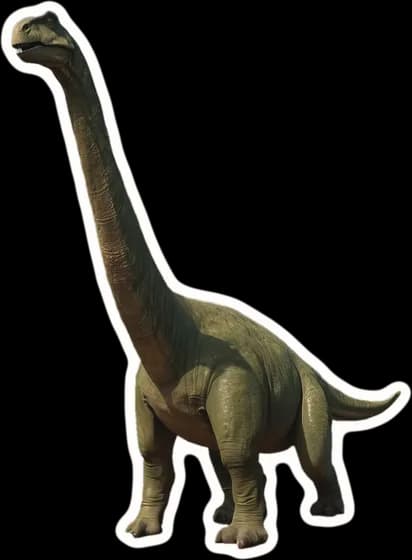
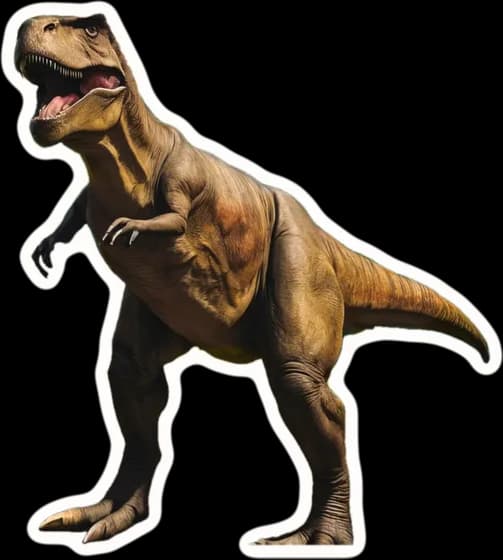
Leaves for me. Don't ask what HE had.
The short answer
- Most dinosaurs ate plants. Long necks, horned dinosaurs, armored dinosaurs and duck bills were all plant-eaters.
- Meat-eaters walked on two legs and had sharp teeth. T. rex, Velociraptor and Carnotaurus were meat-eaters.
- To tell them apart, look at the teeth: sharp like knives for meat, flat or peg-shaped (or a beak) for plants.
Play
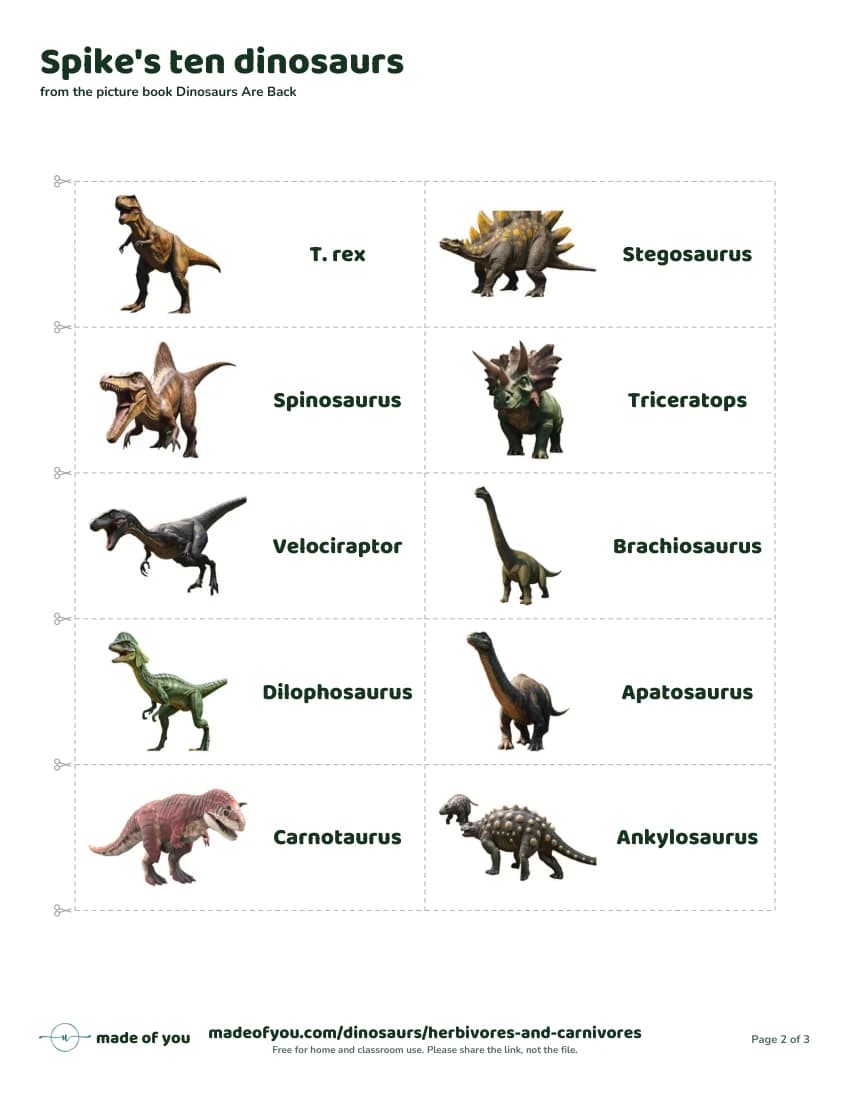
Plants or meat? Sort Spike's ten
Here are the ten dinosaurs that Spike, a young Triceratops, meets on his adventure. Five ate plants and five ate meat. Can you guess which?
- Tyrannosaurus rex
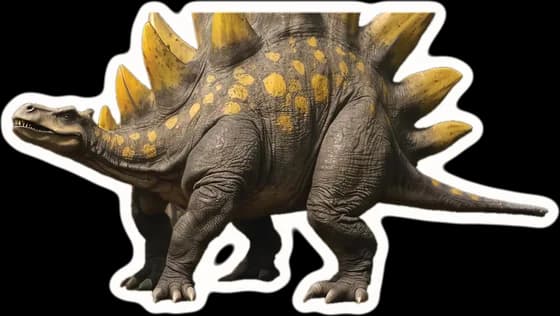 Stegosaurus
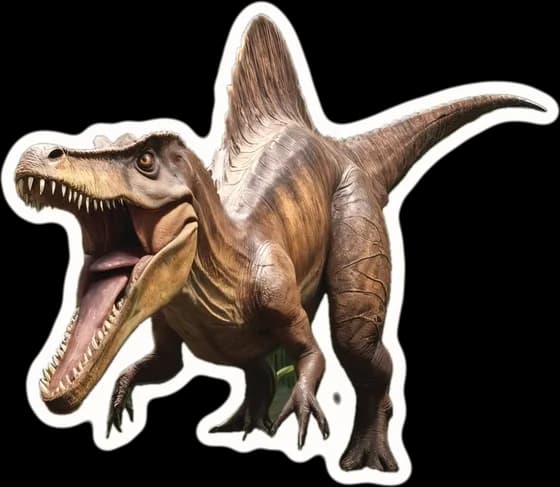 Spinosaurus
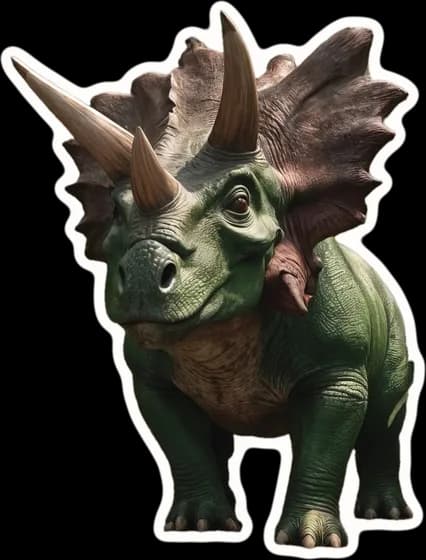 Triceratops
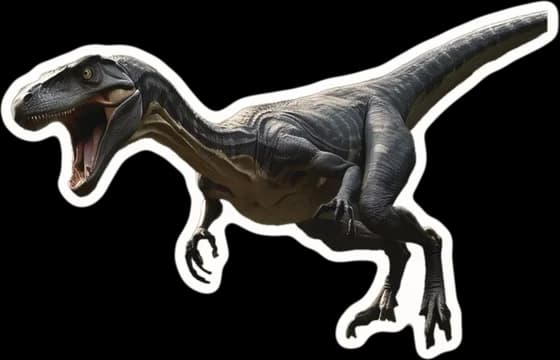 Velociraptor
- Brachiosaurus
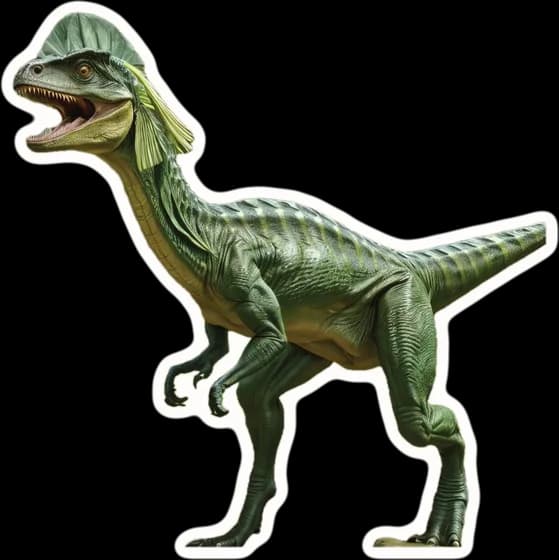 Dilophosaurus
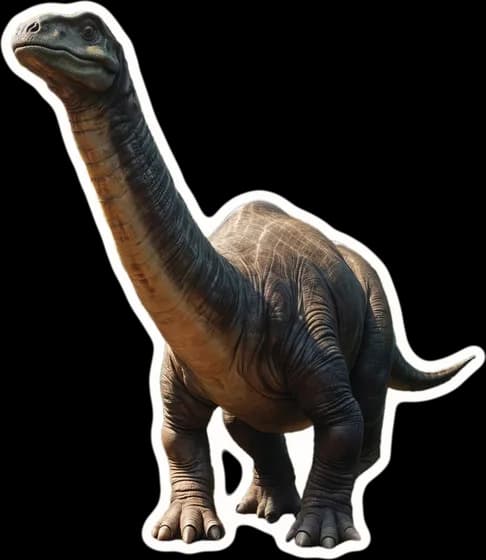 Apatosaurus
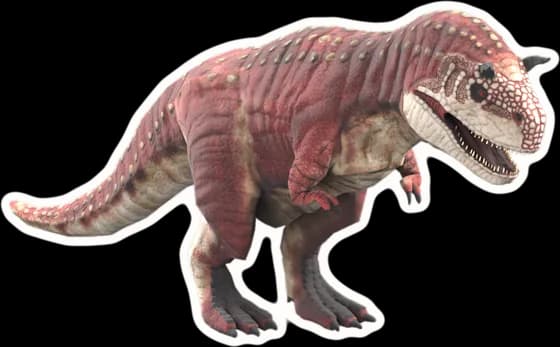 Carnotaurus
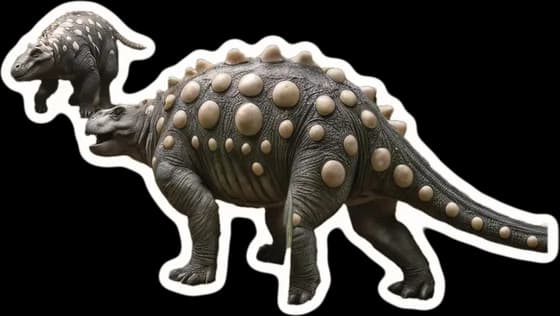 Ankylosaurus
Tap Plants or Meat under each dinosaur.
If you'd rather use scissors, print the sorting sheet.
Herbivores
Plant-eating dinosaurs
A herbivore is an animal that eats plants. Most kinds of dinosaur were herbivores, and that includes the biggest dinosaurs of all. Plants are tough to eat, so plant-eaters needed special tools: beaks for snipping, and teeth for raking or grinding.
The five plant-eaters Spike meets
- StegosaurusFerns and other tough plants.
- TriceratopsIt snipped off plants with a sharp beak.
- Brachiosaurus“Even though Brachiosaurus had only 50 teeth or less, it could eat 100 to 400 kilograms (220 to 881 pounds) of plants every day!”
- ApatosaurusLeaves, and lots of them. Every long neck was a plant-eater.
- AnkylosaurusFerns, shrubs and fruit.
Five more plant-eaters
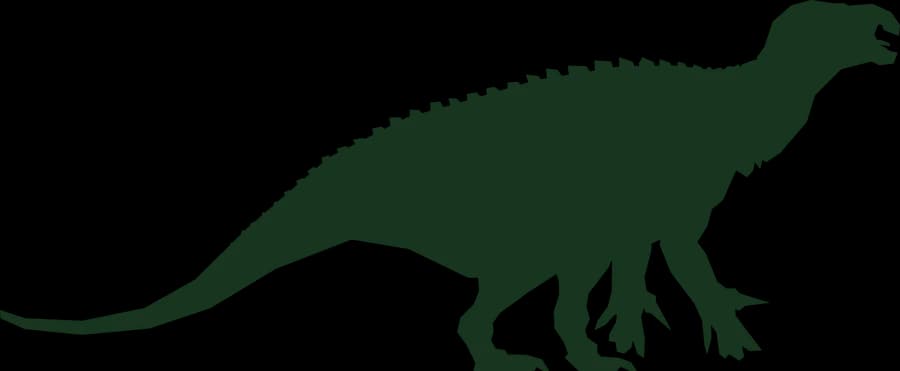 IguanodonSay it: ig-WHA-noh-don · “iguana tooth”A beak at the front, chewing teeth at the back, and a big spike on each thumb. About 10 meters (33 feet) long.
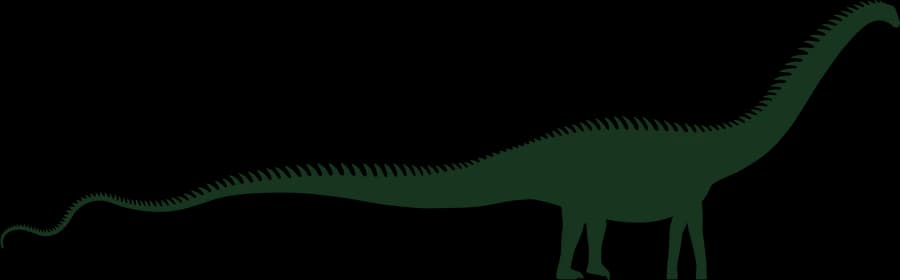 DiplodocusSay it: DIP-low-DOCK-us · “double beam”A long neck with teeth in rows, like a comb, for raking soft leaves off the trees.
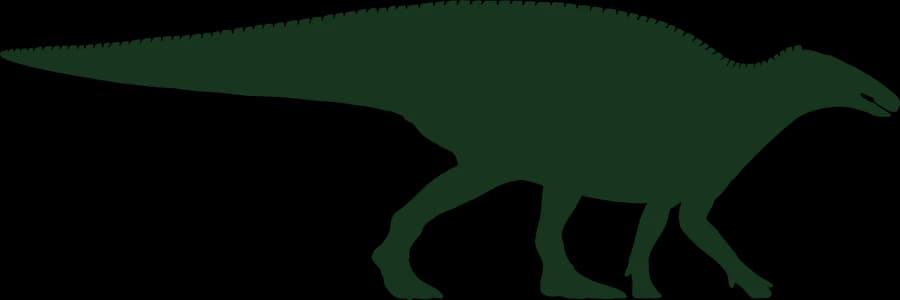 EdmontosaurusSay it: ed-MON-toe-sore-us · “Edmonton lizard”A duck-billed dinosaur with 1,000 grinding teeth. Pine needles and twigs have been found in its stomach.
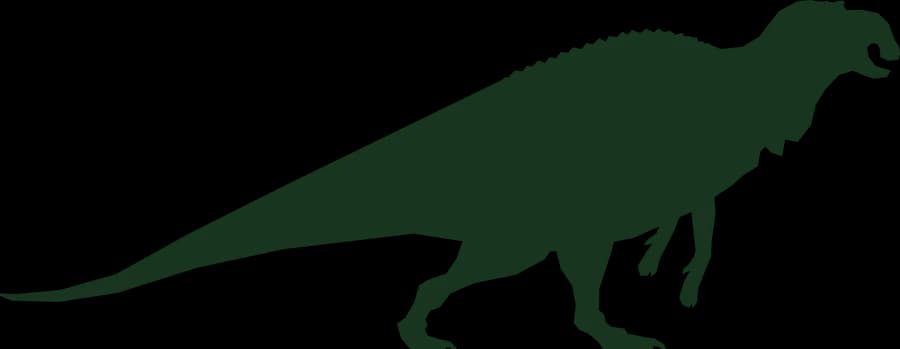 MaiasauraSay it: my-ah-SORE-ah · “good mother lizard”Another duck bill. It is famous for its nests.
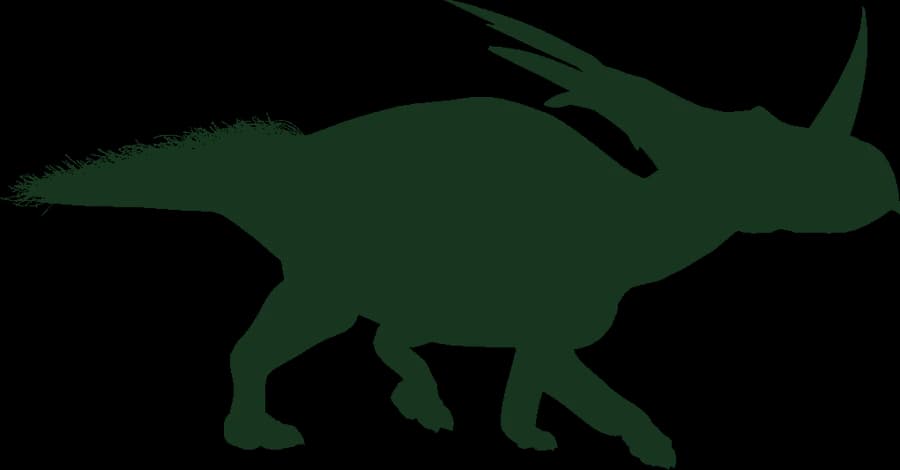 StyracosaurusSay it: sty-RAK-oh-sore-us · “spiked lizard”One of the horned dinosaurs, with a beak like a parrot's.
Carnivores
Meat-eating dinosaurs
A carnivore is an animal that eats meat. The meat-eating dinosaurs walked on two legs and had sharp teeth, and they ate fish, lizards, insects, eggs and other dinosaurs. There were always far fewer of them than plant-eaters.
The five meat-eaters Spike meets
- Tyrannosaurus rex“Tyrannosaurus rex was so big and strong, it could eat up to 230 kilograms (507 pounds) of meat and bones in one bite!”
- SpinosaurusMostly fish. Its teeth were smooth and cone-shaped, just right for grabbing slippery fish.
- VelociraptorLizards, small mammals and eggs.
- Dilophosaurus“Its jaws suggest it probably ate fish, but it was still a carnivore.”
- Carnotaurus“It was one of the fastest dinosaurs, capable of swallowing its prey in a single gulp!”
Five more meat-eaters
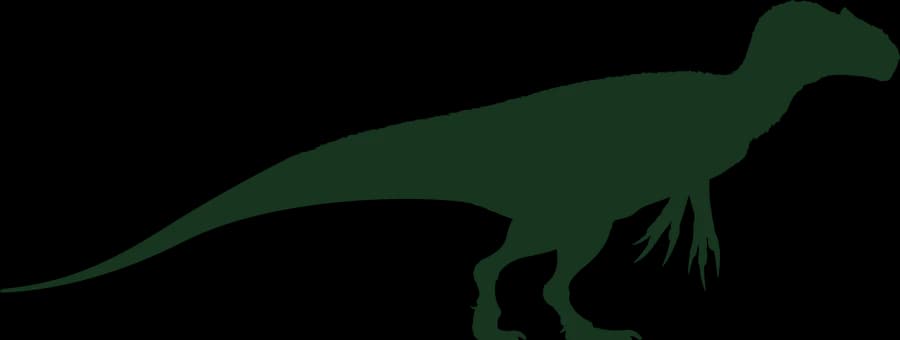 AllosaurusSay it: AL-oh-saw-russ · “different lizard”Teeth like daggers with saw edges. Its bite marks have been found on Stegosaurus bones.
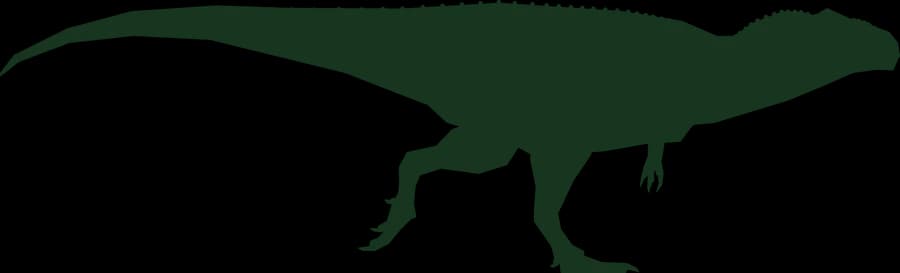 GiganotosaurusSay it: gig-an-OH-toe-SORE-us · “giant southern lizard”About 13 meters (43 feet) long, with long teeth like blades for slicing. It was found in Argentina in 1993.
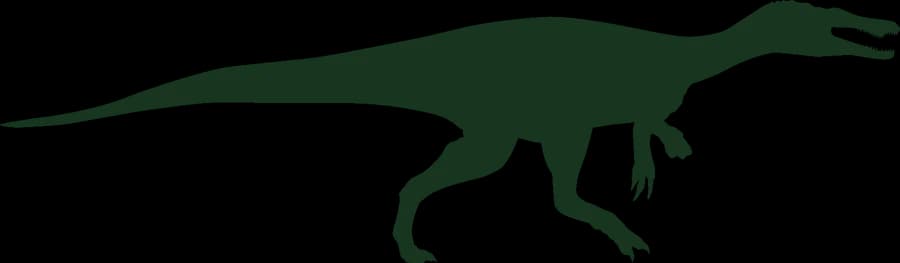 BaryonyxSay it: bah-ree-ON-icks · “heavy claw”A fisher. It may have waded into the shallows and hooked fish with its claws.
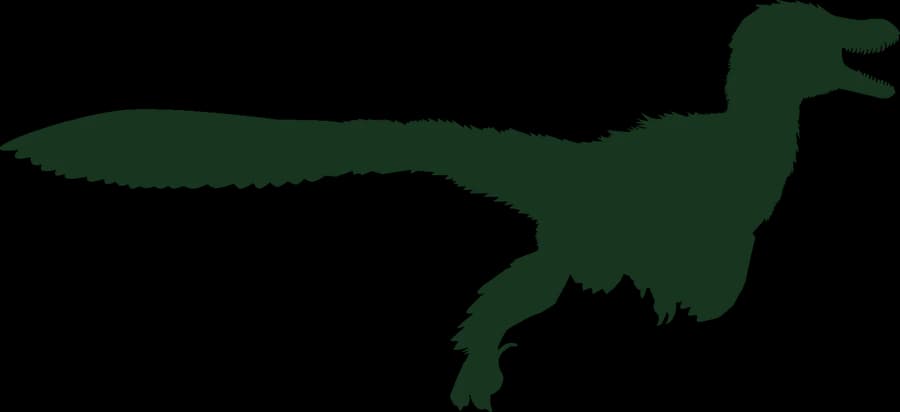 DeinonychusSay it: dye-NON-ick-us · “terrible claw”A big curved claw on each foot, held up off the ground to keep it sharp.
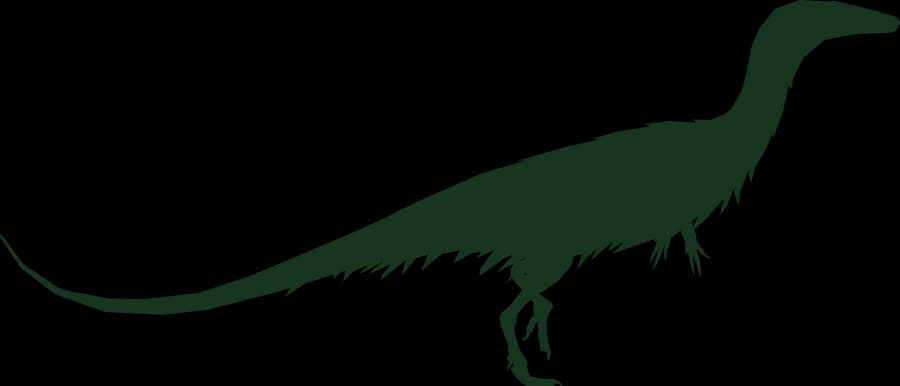 CoelophysisSay it: seel-OH-fie-sis · “hollow form”One of the early meat-eaters, small and quick. It caught insects and small reptiles.
Which was the biggest meat-eater? Bigger than T. rex.
Count them
How many ate what?
The Natural History Museum in London keeps a list of more than 300 dinosaurs. Sorted by their food, it looks like this:
- 195 kinds ate plants
- 99 kinds ate other animals
- 30 kinds ate both
Omnivores
Dinosaurs that ate both
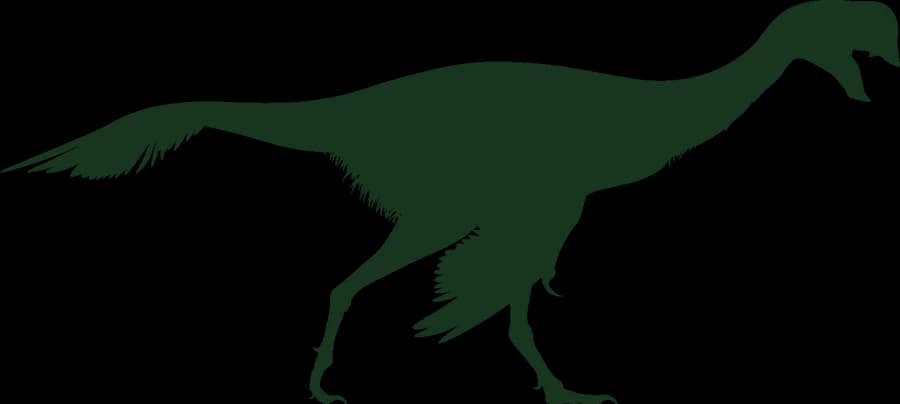
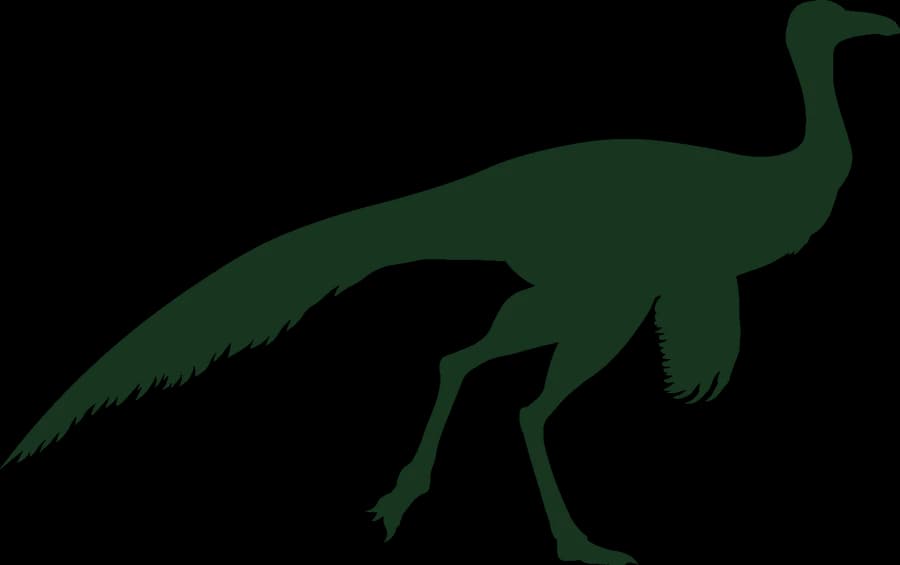
An omnivore eats plants AND animals, whatever is around. You are probably one! Among the dinosaurs, Oviraptor (a beak and no teeth) and Ornithomimus (it looked a lot like an ostrich) were omnivores.
The dinosaur with the long claws
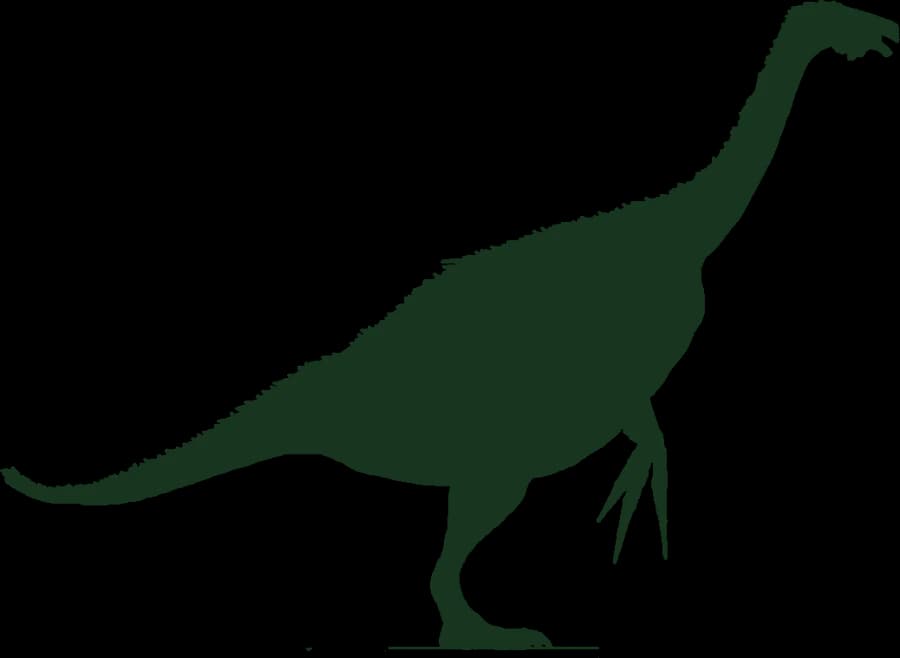
Therizinosaurus (say it: theh-riz-in-oh-SORE-us) means “scythe lizard”. The claws on its hands were 50 centimeters (20 inches) long, thought to be the longest of any land animal ever. It walked on two legs, like the meat-eaters.
And with claws like that, it ate plants! Some experts think it used them to pull branches towards its mouth.
Dinosaur teeth
How can you tell what a dinosaur ate?
Nobody ever watched a dinosaur eat its dinner. So scientists are detectives, and these are their clues.
Sharp teeth with saw edges
Pegs, grinders and beaks
Smooth cones for fish
Fossil poo
Bite marks
Stones in the stomach
Look at those teeth
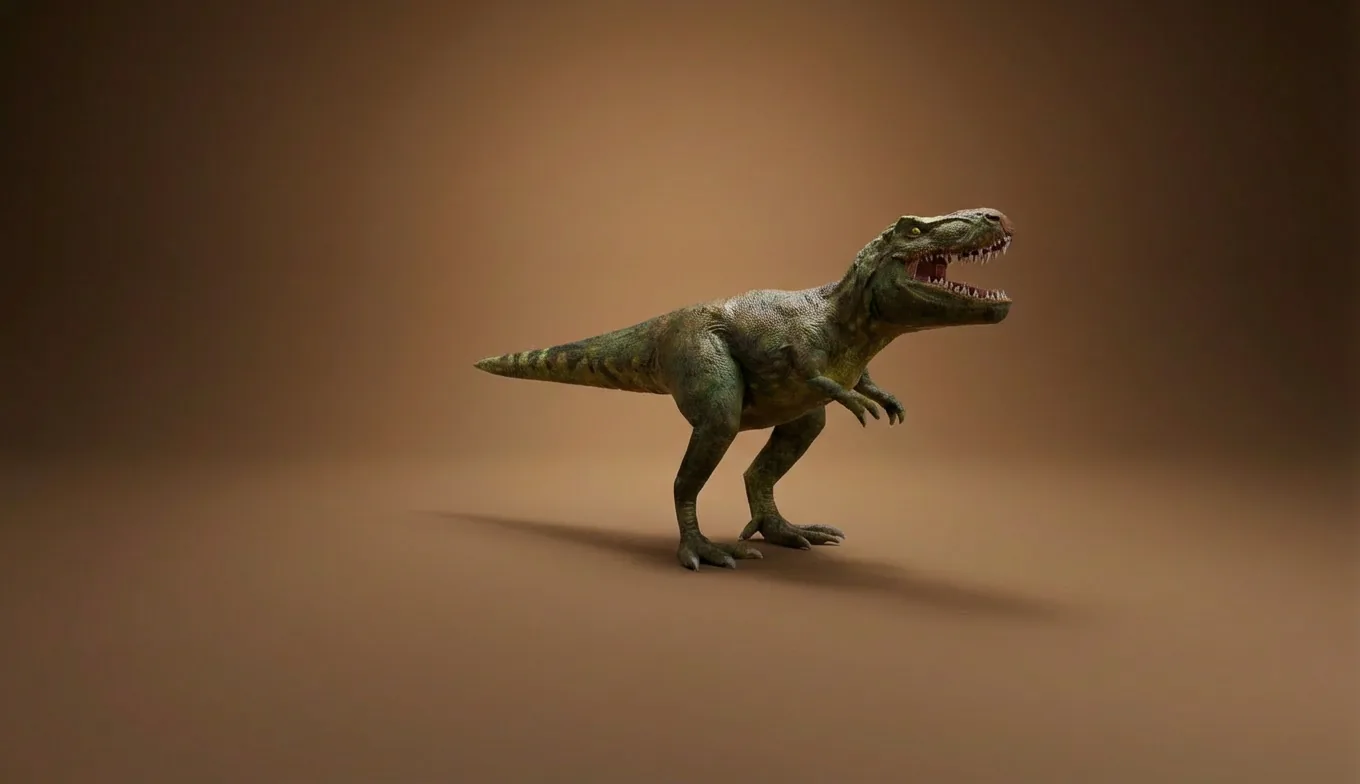
This is the T. rex from Dinosaurs Are Back. Turn it with your finger or mouse and have a good look at its mouth. On a phone or tablet, tap “See it in your room” and it stands on your floor.
Tyrannosaurus rex was so big and strong, it could eat up to 230 kilograms (507 pounds) of meat and bones in one bite!
Now look at its arms. They were only about one meter (3 feet) long, with two fingers each. Carnotaurus had tiny arms too, with four fingers, and hardly used them.
The menu
What did dinosaurs eat?
For the plant-eaters: ferns, horsetails, conifers (trees with cones and needles), cycads and ginkgoes. Flowers came later, and the very last dinosaurs had fruit to eat too. There were no lawns to graze on: grass only turned up near the very end.
For the meat-eaters: fish, insects, lizards, small furry animals, eggs, and other dinosaurs. Many were happy to eat something that was already dead, too.
Free, no sign-up
Print the “Plant-eater or meat-eater?” sorting sheet
Three pages: a mat with two boxes, ten dinosaurs to cut out, and the answers for the grown-up. Cut, sort, stick. Good for small hands and for classrooms.
There's a black and white version to color in first.
Free for home and classroom use. Please share the link to this page rather than the file.
Questions kids ask
Quick answers
- Were most dinosaurs plant-eaters or meat-eaters?
- Plant-eaters. The Natural History Museum in London lists 195 kinds of dinosaur that ate plants, 99 that ate other animals and 30 that ate both.
- What is a herbivore dinosaur?
- A dinosaur that ate plants, like Triceratops, Stegosaurus and all the long necks. Herbivore is the scientists' word for plant-eater.
- What is a carnivore dinosaur?
- A dinosaur that ate meat, like T. rex, Velociraptor and Carnotaurus. Carnivore is the scientists' word for meat-eater.
- Which dinosaurs were omnivores?
- Omnivores ate both plants and animals, whatever they could find. Oviraptor and Ornithomimus were omnivores.
- How do scientists know what a dinosaur ate?
- Mostly from its teeth. Sharp teeth with saw edges are for meat. Flat grinding teeth, peg teeth and beaks are for plants. Fossil poo helps too, and sometimes a last meal is found inside the skeleton.
- What dinosaur has long claws?
- Therizinosaurus. Its hand claws were 50 centimeters (20 inches) long, thought to be the longest of any land animal ever. And it ate plants!
- What dinosaur has tiny arms?
- T. rex and Carnotaurus. A T. rex's arms were only about one meter (3 feet) long, with two fingers each. And Katia writes in Dinosaurs Are Back: "Carnotaurus was a fast, meat-eating dinosaur with remarkably short arms."
- Did meat-eating dinosaurs eat plant-eating dinosaurs?
- Yes. T. rex tooth marks have been found on Triceratops bones, and Allosaurus bite marks on Stegosaurus bones.
Keep sorting
More kinds of dinosaurs
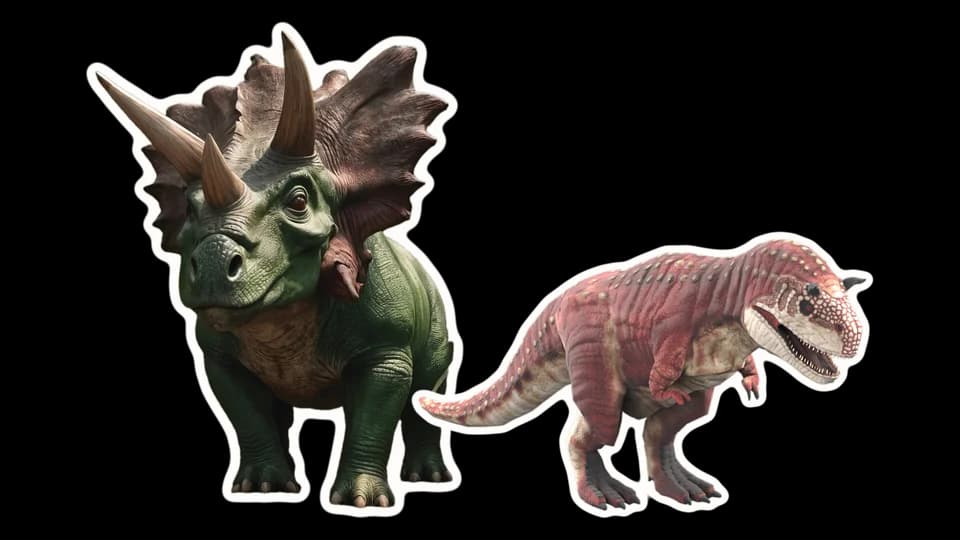 Dinosaurs with hornsThree horns, two horns like a bull, fifteen horns, and one head as hard as a helmet.Take a look →
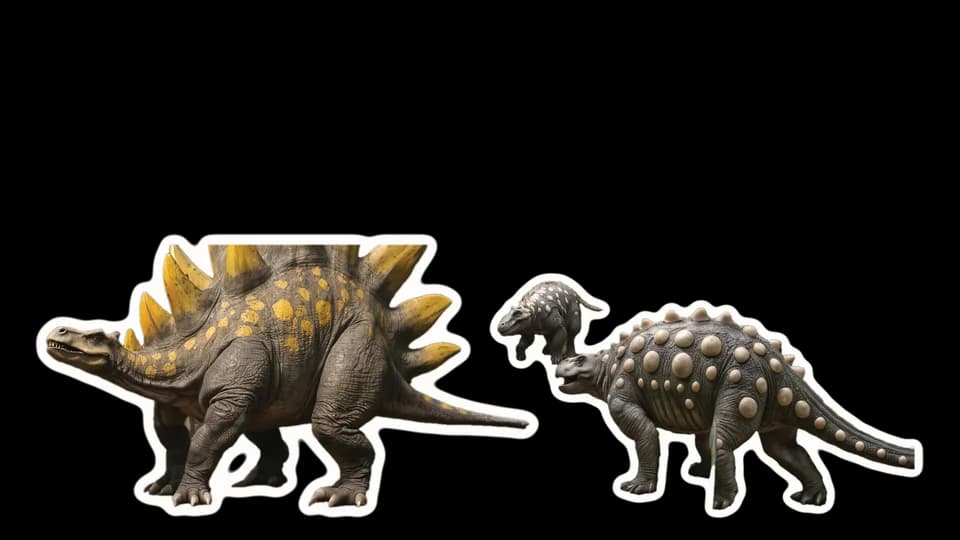 Dinosaurs with spikes, armor and club tailsStegosaurus had plates and tail spikes, Ankylosaurus had armor and a club, and one dinosaur had a sail.Take a look →
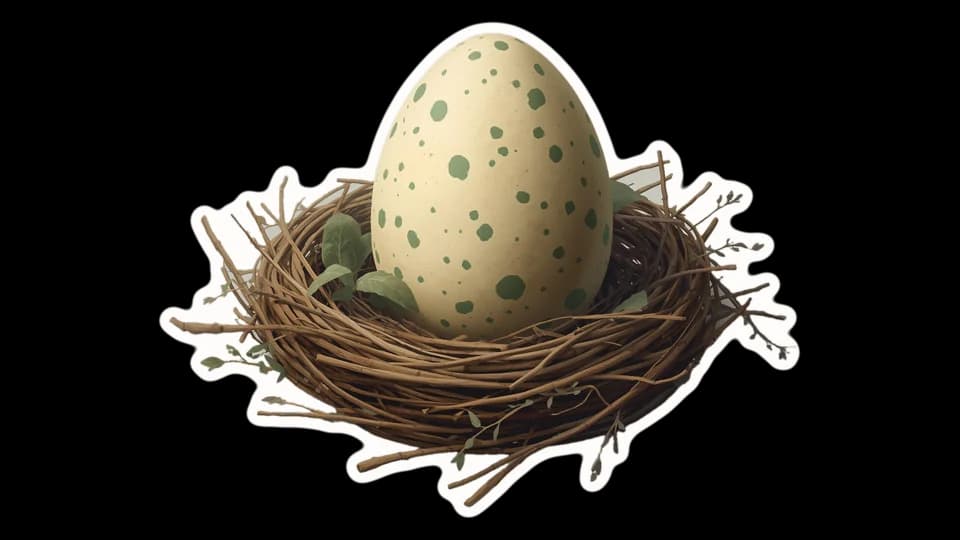 Dinosaur eggsEven the biggest dinosaurs hatched from eggs you could hold. And some eggs were blue-green!Take a look →
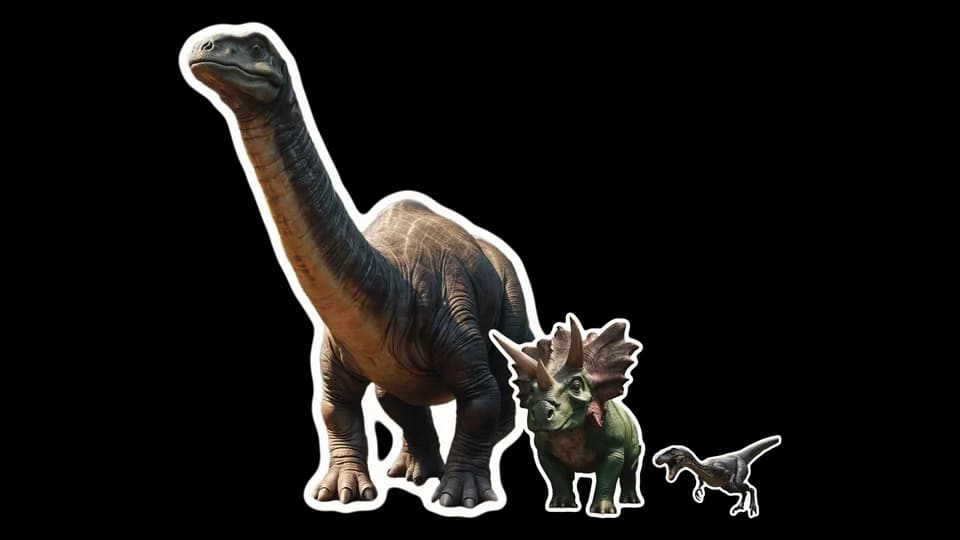 Types of dinosaursEvery dinosaur belongs to one of seven kinds, and you can tell them apart by their shape.Take a look →
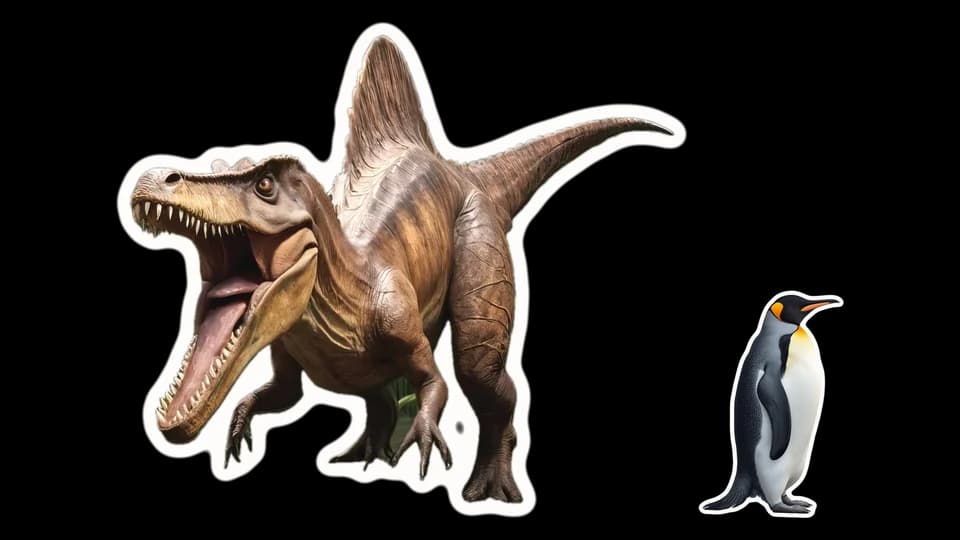 Water dinosaursWere there dinosaurs in the sea? No! But one dinosaur was a real swimmer, and some still are.Take a look →
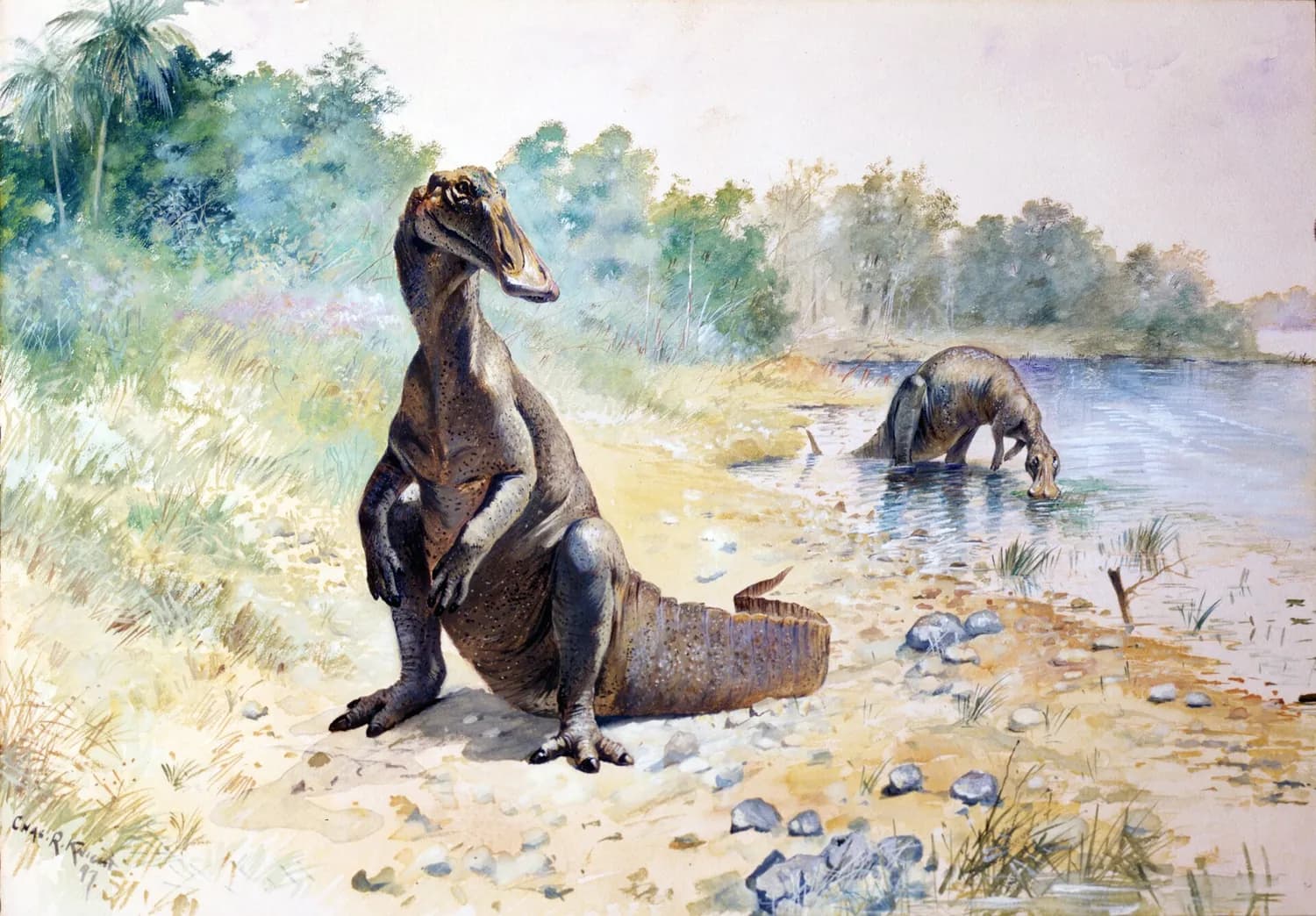 Duck-billed dinosaursDuck bills had a flat beak with hundreds of grinding teeth behind it, and some wore a crest like a helmet.Take a look →
Got a big question instead? The biggest, the fastest, the fliers and the long necks. Or meet ten dinosaurs, one page each, with a fun fact and a riddle.
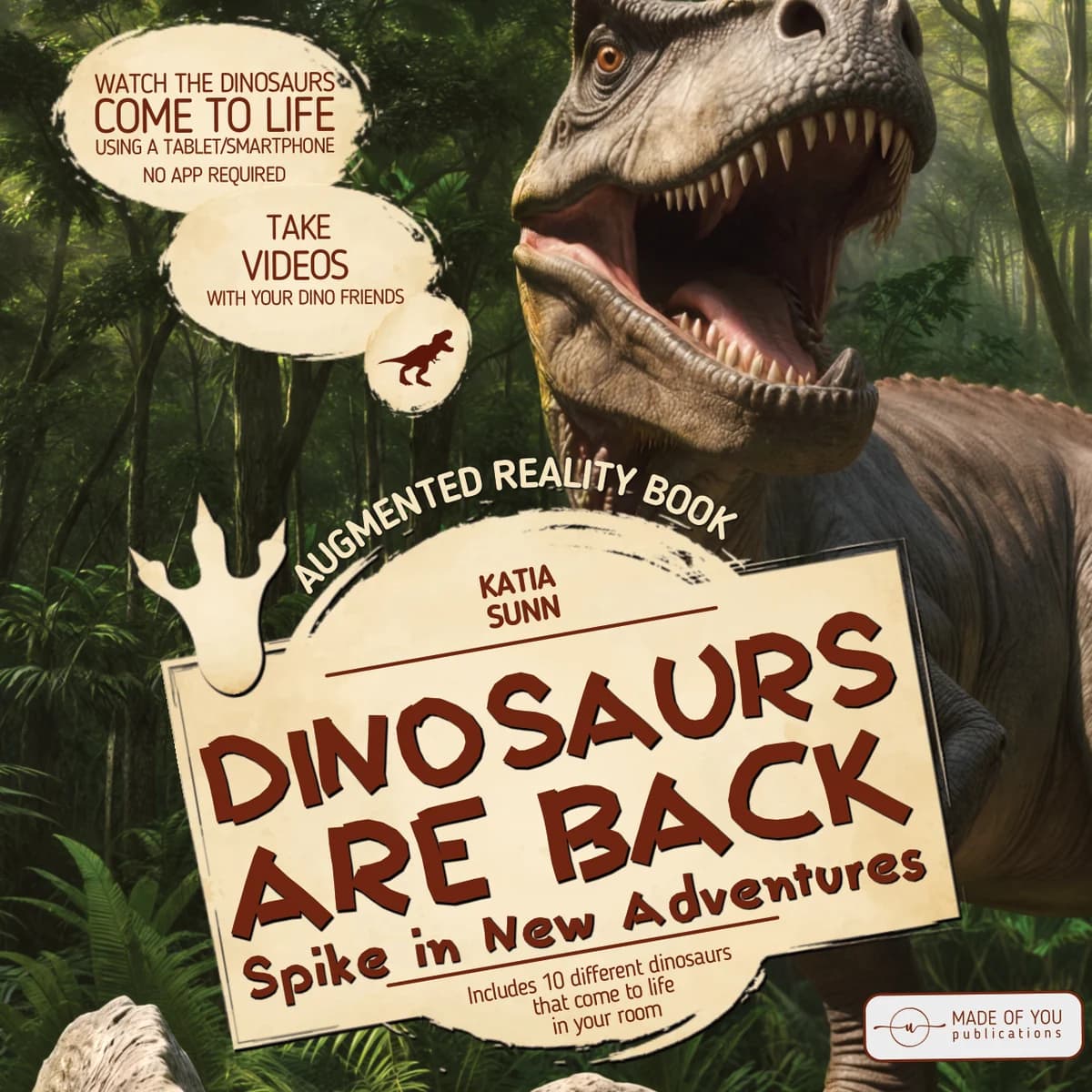
Our own bookA picture book · ages 6 to 10
Dinosaurs Are Back
Spike is a plant-eater, and some of the dinosaurs he meets would like him for lunch. A T. rex chases him for hours, and a Spinosaurus spits him out. All ten step off the page with a phone or tablet.
Where these facts come from
Katia's facts are from the fact page near the end of Dinosaurs Are Back. Everything else was checked on these pages on October 1, 2026.
- Natural History Museum, London: Dino Directory, dinosaurs by diet: 195 that ate plants, 99 that ate other animals, 30 that ate both (counted on 1 October 2026)
- Natural History Museum, London: What can scientists learn about dinosaurs, and how?: diet from tooth shape and wear marks
- Australian Museum: Carnivore teeth and diet: saw edges that grip and rip, cone teeth for fish
- Australian Museum: Herbivore teeth and diet: peg teeth, chewing, stomach stones, the plants of the time
- Natural History Museum, London: What is a coprolite?: bone bits or seeds in fossil poo
- Royal Saskatchewan Museum: Dinosaur ins and outs: the T. rex poo found in 1995
- Western Australian Museum: Dinosaur poo: bone from a young duck-billed dinosaur
- Natural History Museum, London: Young tyrannosaurs ate different food from their parents: teeth like killer bananas
- Natural History Museum, London: How did Tyrannosaurus use its arms?: arms about one metre long
- Natural History Museum, London: Tyrannosaurus: tooth marks on Triceratops and Edmontosaurus
- Natural History Museum, London: Allosaurus: bite marks on Stegosaurus
- Natural History Museum, London: Therizinosaurus: the 50 centimeter claws, a plant-eater
- Natural History Museum, London: Carnotaurus: four fingers, arms it hardly used
- Natural History Museum, London: Oviraptor: ate both
- Natural History Museum, London: Ornithomimus: ate both
- Natural History Museum, London: Iguanodon
- Natural History Museum, London: Diplodocus
- Natural History Museum, London: Edmontosaurus: 1,000 grinding teeth, pine needles in its stomach
- Natural History Museum, London: Giganotosaurus
- Natural History Museum, London: Baryonyx: fish, the 31 centimeter claw
- Natural History Museum, London: Deinonychus
- Natural History Museum, London: Coelophysis
- Natural History Museum, London: Triceratops: a sharp beak, tough palm fronds
- Natural History Museum, London: Ankylosaurus: ferns, shrubs and fruit
- U.S. Geological Survey: What did dinosaurs eat?: most dinosaurs ate plants
Picture credits
- Iguanodon outline: Tasman Dixon, via PhyloPic, public domain (CC0).
- Diplodocus outline: Jagged Fang Designs, via PhyloPic, public domain (CC0).
- Edmontosaurus outline: Matt Dempsey, via PhyloPic, CC BY 3.0.
- Therizinosaurus outline: Martin Kevil, via PhyloPic, CC BY 3.0.
- Allosaurus outline: Tasman Dixon, via PhyloPic, public domain (CC0).
- Giganotosaurus outline: Tasman Dixon, via PhyloPic, public domain (CC0).
- Baryonyx outline: Gareth Monger, via PhyloPic, CC BY 3.0.
- Deinonychus outline: Manabu Sakamoto, via PhyloPic, CC BY 3.0.
- Coelophysis outline: Tasman Dixon, via PhyloPic, public domain (CC0).
- Maiasaura outline: Tasman Dixon, via PhyloPic, public domain (CC0).
- Styracosaurus outline: Craig Dylke, via PhyloPic, public domain (CC0).
- Oviraptor outline: Ivan Iofrida, via PhyloPic, CC BY 4.0.
- Ornithomimus outline: Christiana Garros, via PhyloPic, CC BY 4.0.