Kinds of dinosaurs
Types of dinosaurs
Scientists have named hundreds of kinds of dinosaur, and about 50 new ones get a name every year. Nobody can remember them all!
The good news is that they come in just seven kinds you can tell apart by their shape. Learn the seven, and you can sort almost any dinosaur you meet.
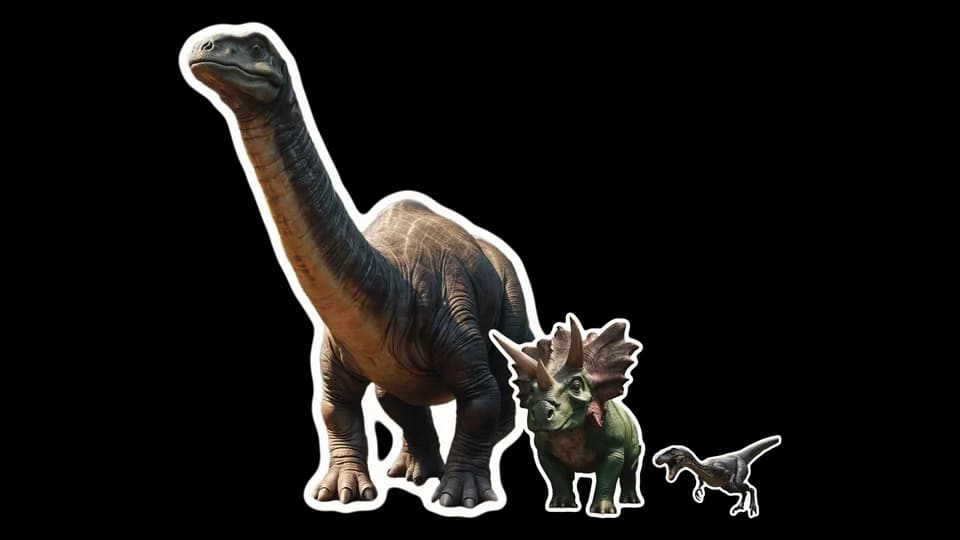
The short answer
- There are seven kinds to spot: meat-eaters on two legs, long necks, plated, armored and horned dinosaurs, bone heads, and duck bills.
- Scientists also sort dinosaurs into two big groups by their hips: lizard-hipped and bird-hipped.
- Hundreds of kinds have a name already, and about 50 more are named every year.
Kinds of dinosaurs
The seven kinds, with pictures
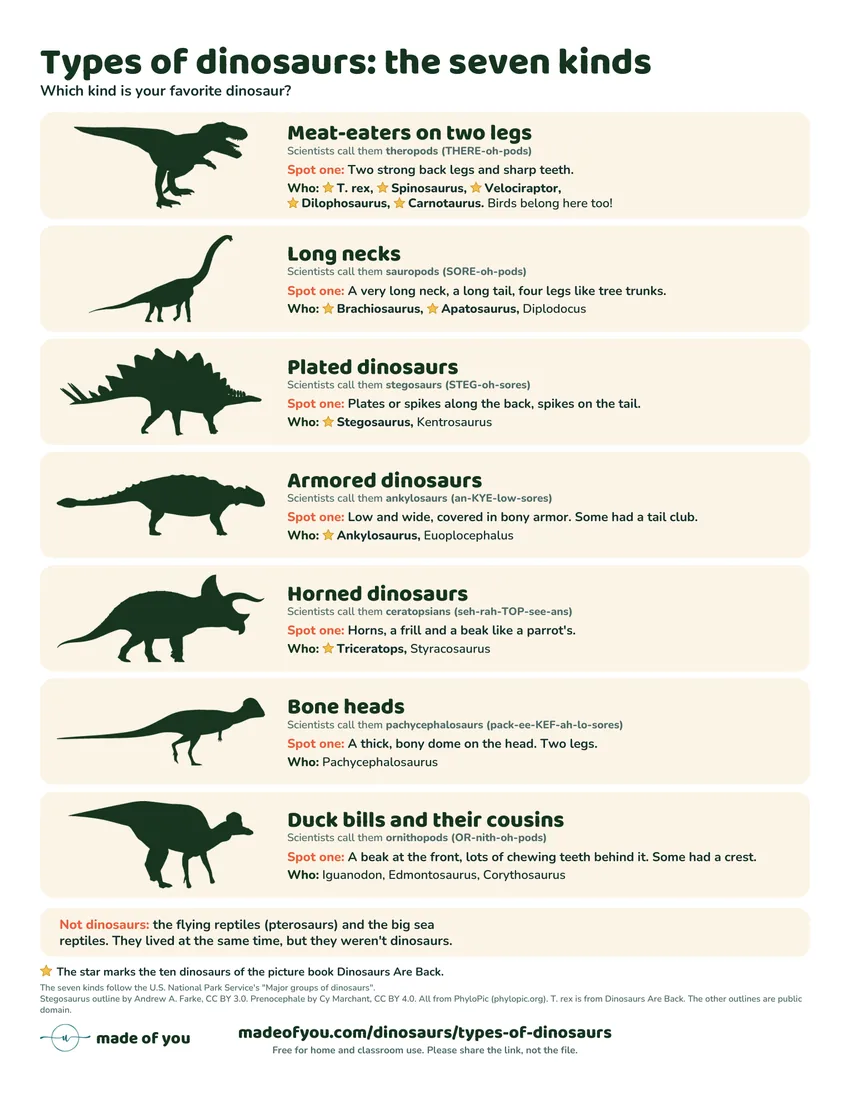
Each card has the name children use, the name scientists use, a clue for spotting one, and who belongs to it. The names in bold are the ten dinosaurs that Spike, a young Triceratops, meets in his story.
- 1
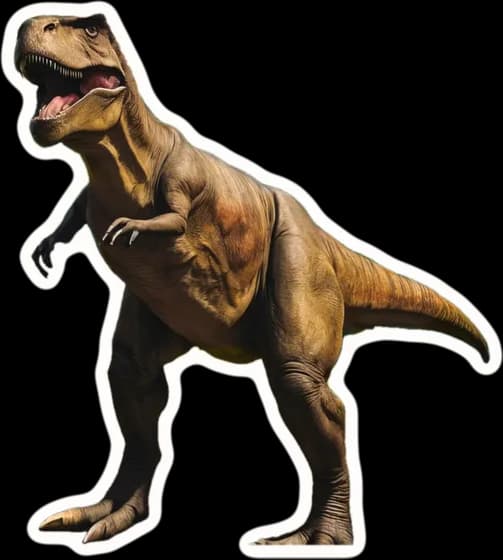
Meat-eaters on two legs
Scientists call them theropods (say it: THERE-oh-pods)
Spot one: Two strong back legs and sharp teeth.
T. rex, Spinosaurus, Velociraptor, Dilophosaurus, Carnotaurus, Allosaurus, Giganotosaurus. Birds belong to this kind too!
- 2
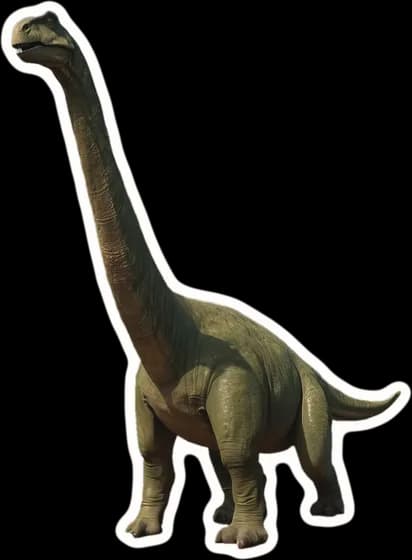
Long necks
Scientists call them sauropods (say it: SORE-oh-pods)
Spot one: A very long neck, a long tail and four legs like tree trunks.
Brachiosaurus, Apatosaurus, Diplodocus, Brontosaurus.
- 3
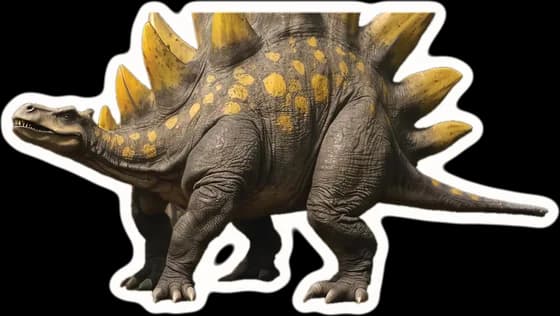
Plated dinosaurs
Scientists call them stegosaurs (say it: STEG-oh-sores)
Spot one: Plates or spikes along the back, and spikes on the tail.
Stegosaurus, Kentrosaurus.
- 4
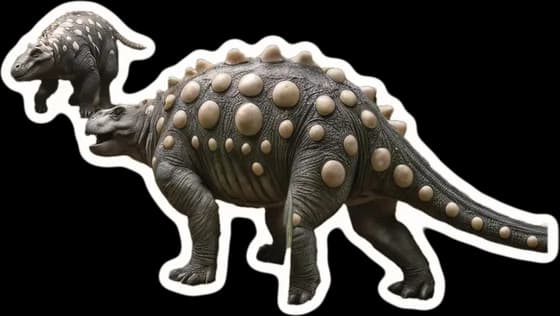
Armored dinosaurs
Scientists call them ankylosaurs (say it: an-KYE-low-sores)
Spot one: Low and wide, covered in bony armor. Some had a club on the tail.
Ankylosaurus, Euoplocephalus, Polacanthus.
- 5
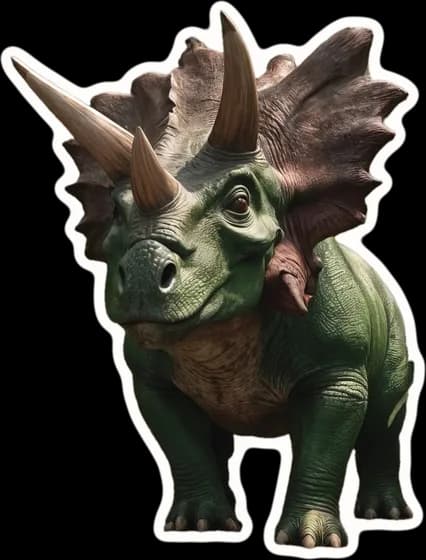
Horned dinosaurs
Scientists call them ceratopsians (say it: seh-rah-TOP-see-ans)
Spot one: Horns, a frill of bone and a beak like a parrot's.
Triceratops, Styracosaurus, Pachyrhinosaurus.
- 6
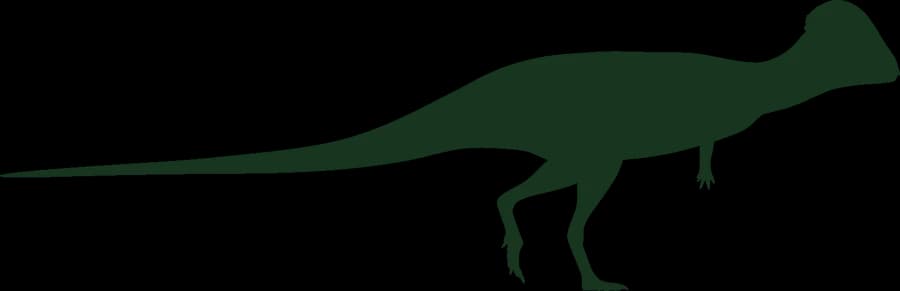
Bone heads
Scientists call them pachycephalosaurs (say it: pack-ee-KEF-ah-lo-sores)
Spot one: A thick dome of bone on top of the head. They walked on two legs.
Pachycephalosaurus, Prenocephale.
- 7
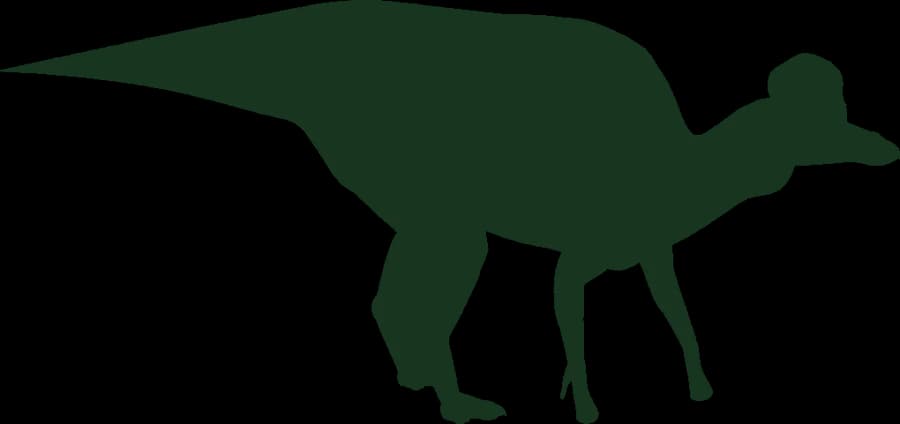
Duck bills and their cousins
Scientists call them ornithopods (say it: OR-nith-oh-pods)
Spot one: A beak at the front and lots of chewing teeth behind it. Some had a crest.
Iguanodon, Edmontosaurus, Corythosaurus.
Which kind is your favorite dinosaur?
All seven are on one free poster for the bedroom wall or the classroom.
Print the poster
What type of dinosaur is it?
Where do Spike's ten belong?
Ten dinosaurs, five kinds. Half of them are meat-eaters on two legs!
- T. rexmeat-eaters on two legs
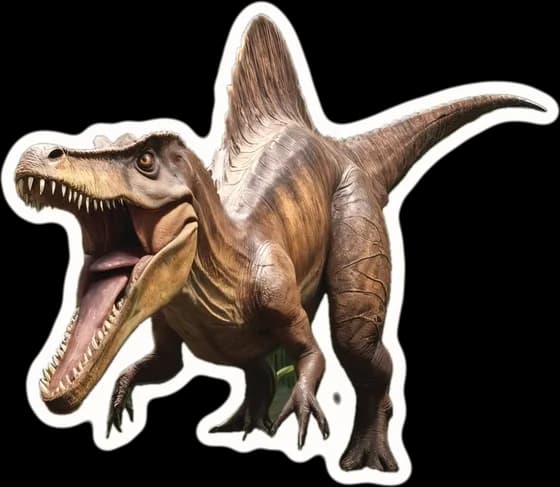 Spinosaurusmeat-eaters on two legs
- Stegosaurusplated dinosaurs
- Triceratopshorned dinosaurs
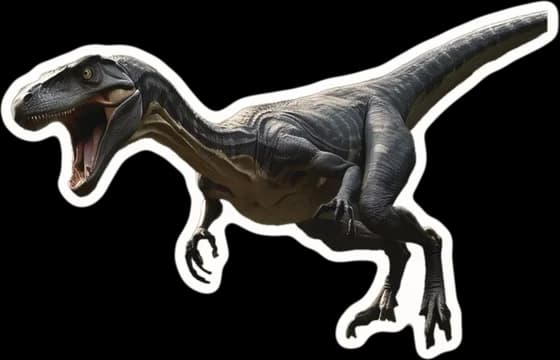 Velociraptormeat-eaters on two legs
- Brachiosauruslong necks
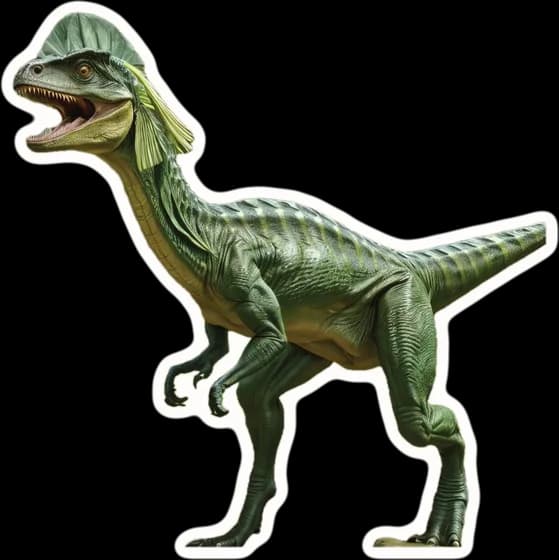 Dilophosaurusmeat-eaters on two legs
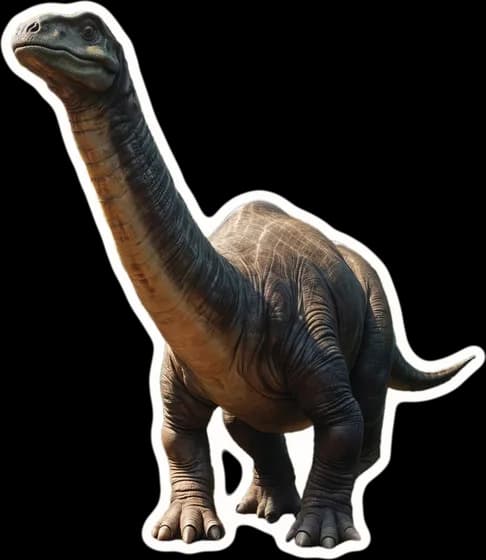 Apatosauruslong necks
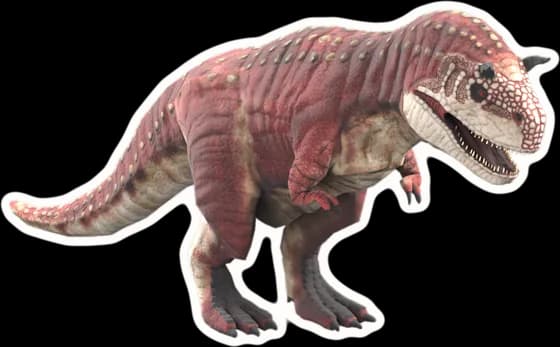 Carnotaurusmeat-eaters on two legs
- Ankylosaurusarmored dinosaurs
Three of them stand in your room in 3D, with no app: T. rex, Apatosaurus and Carnotaurus.
For big kids
The two big groups: it's all in the hips
Before the seven kinds, scientists split all dinosaurs in two. They do it by the hip bones, and not by the teeth or the horns.
Lizard-hipped dinosaurs
Scientists call them saurischians (say it: sore-ISS-kee-ans)
The two lower hip bones point away from each other, as in lizards.
The meat-eaters on two legs and the long necks.
Bird-hipped dinosaurs
Scientists call them ornithischians (say it: or-nih-THISS-kee-ans)
The two lower hip bones both point backwards, as in birds. They all ate plants, and they all had a special beak bone at the tip of the lower jaw.
The plated, armored and horned dinosaurs, the bone heads and the duck bills.
The joke in the names
What makes a dinosaur a dinosaur?
This is the usual way to sort them, as the National Park Service lays it out. Scientists still argue about parts of the family tree.
An eighth kind? No
Not dinosaurs, even though they look like it
Two famous groups lived at the same time as the dinosaurs and get mixed up with them. They were reptiles, but they weren't dinosaurs.
The fliers
Pterosaurs, the flying reptiles, were cousins of the dinosaurs. The dinosaurs that really fly are still here: birds.
The swimmers
The big sea reptiles had flippers and never walked on land. No dinosaur lived in the sea.
Still counting
How many kinds of dinosaurs are there?
Nobody can give you one number, because it keeps going up. Scientists have named hundreds of kinds so far, and about 50 new ones are named every year. That's almost one a week.
Some are dug out of the ground. Others are found in museum drawers, when somebody takes a fresh look at old bones. So there are surely kinds of dinosaur that nobody has met yet. Maybe you'll find one!
The biggest and the smallest: a size guide. What they ate: plant-eaters and meat-eaters. How they began: dinosaur eggs.
Free, no sign-up
Print the “Types of dinosaurs” poster
The seven kinds on one page, each with an outline, its “spot one” clue and the dinosaurs that belong to it.
There's a black and white version to color in, too.
Free for home and classroom use. Please share the link to this page rather than the file.
Questions kids ask
Quick answers
- What are the main types of dinosaurs?
- There are seven kinds a child can spot: meat-eaters on two legs (theropods), long necks (sauropods), plated dinosaurs (stegosaurs), armored dinosaurs (ankylosaurs), horned dinosaurs (ceratopsians), bone heads (pachycephalosaurs), and the duck bills and their cousins (ornithopods). Scientists also sort them into two big groups by their hips.
- How many kinds of dinosaurs are there?
- Scientists have named hundreds of kinds, and about 50 new ones are named every year. That's almost one a week!
- What type of dinosaur is T. rex?
- A theropod: a meat-eater that walked on two legs. Spinosaurus, Velociraptor, Dilophosaurus and Carnotaurus were theropods too, and so are birds.
- What type of dinosaur is Triceratops?
- A ceratopsian, one of the horned dinosaurs. The name means horned face.
- What does lizard-hipped and bird-hipped mean?
- It's about which way the hip bones point. In lizard-hipped dinosaurs the two lower hip bones point away from each other, as in lizards. In bird-hipped dinosaurs they both point backwards, as in birds. The funny part: birds belong to the lizard-hipped group!
- Has every kind of dinosaur been found?
- No. New kinds are still being dug up, and found in museum drawers, every year.
- Are flying reptiles and sea reptiles types of dinosaurs?
- No. The pterosaurs flew and the big sea reptiles swam at the same time as the dinosaurs, but they weren't dinosaurs.
Keep sorting
More kinds of dinosaurs
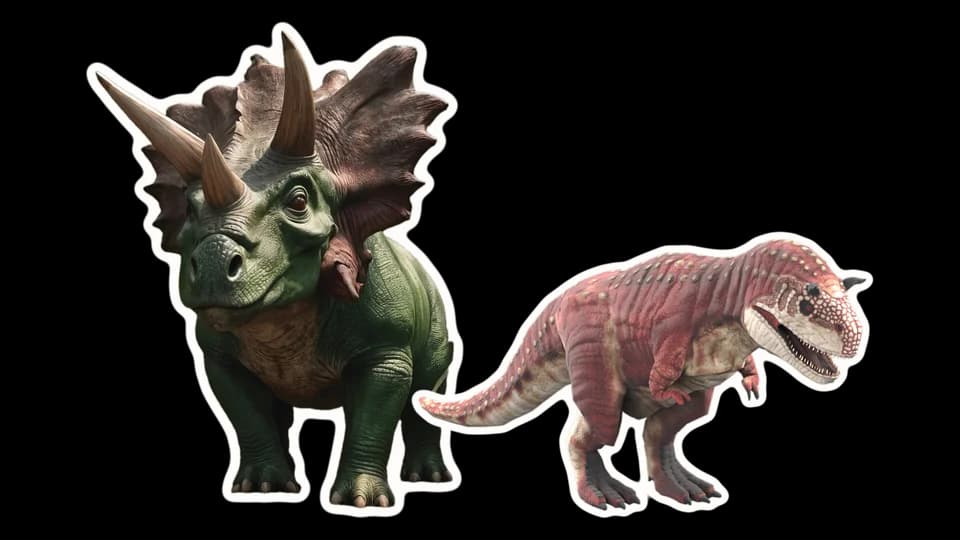 Dinosaurs with hornsThree horns, two horns like a bull, fifteen horns, and one head as hard as a helmet.Take a look →
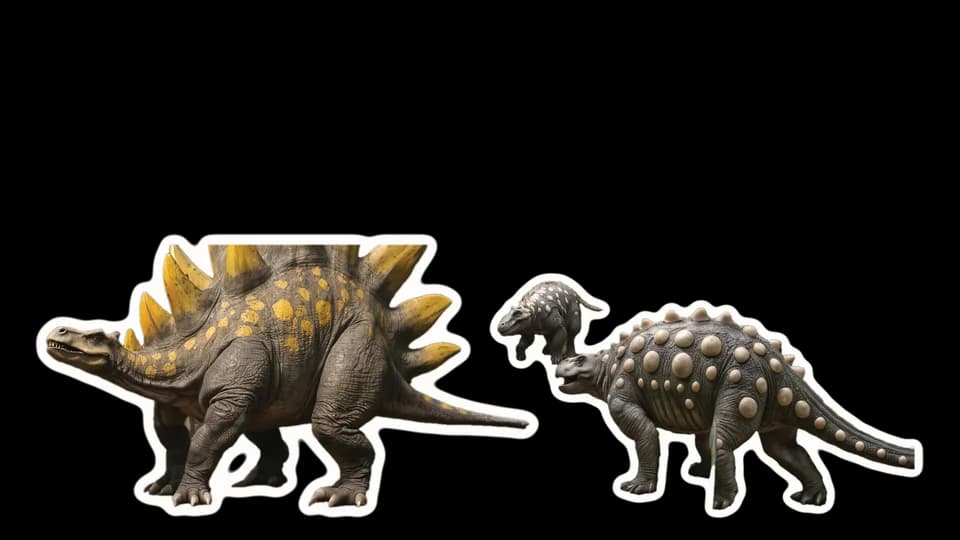 Dinosaurs with spikes, armor and club tailsStegosaurus had plates and tail spikes, Ankylosaurus had armor and a club, and one dinosaur had a sail.Take a look →
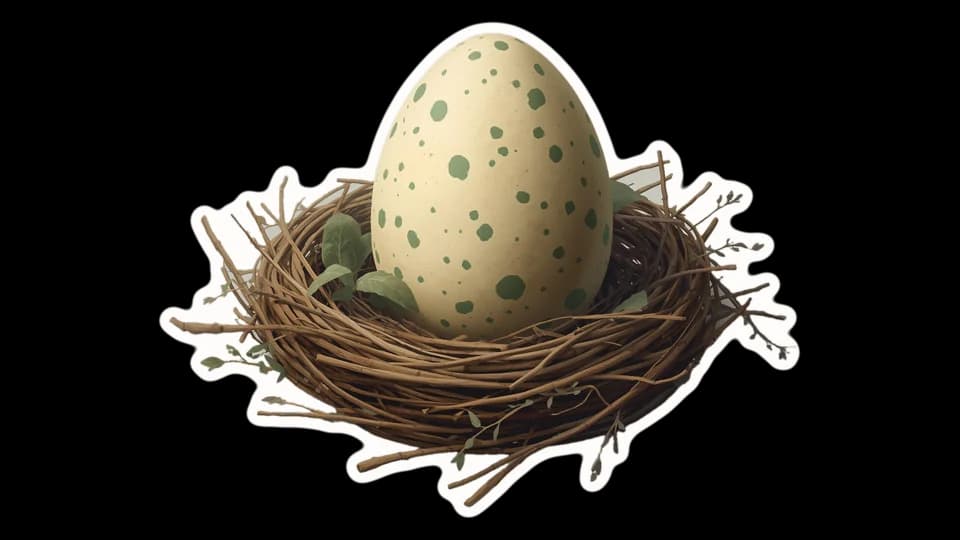 Dinosaur eggsEven the biggest dinosaurs hatched from eggs you could hold. And some eggs were blue-green!Take a look →
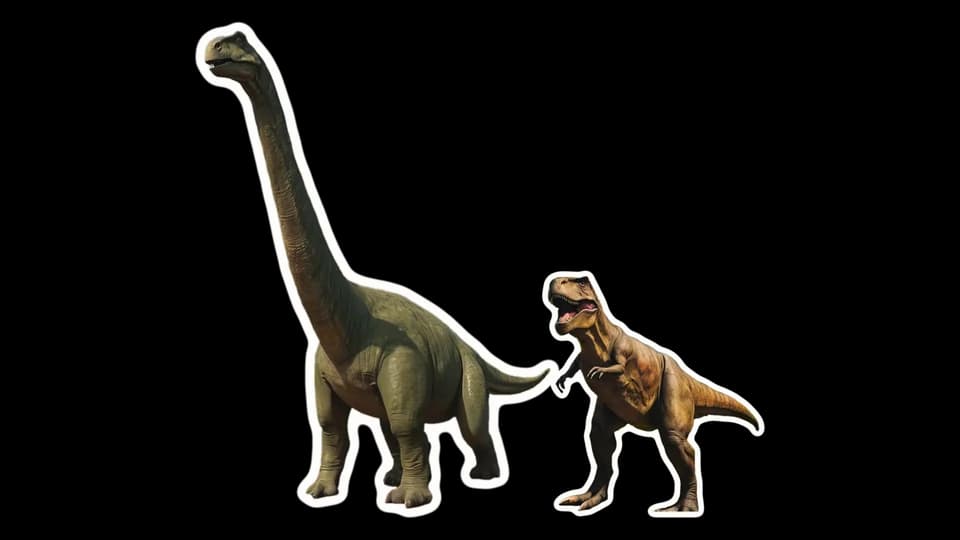 Plant-eaters and meat-eatersSort Spike's ten dinosaurs, and learn to tell a plant-eater from a meat-eater by its teeth.Take a look →
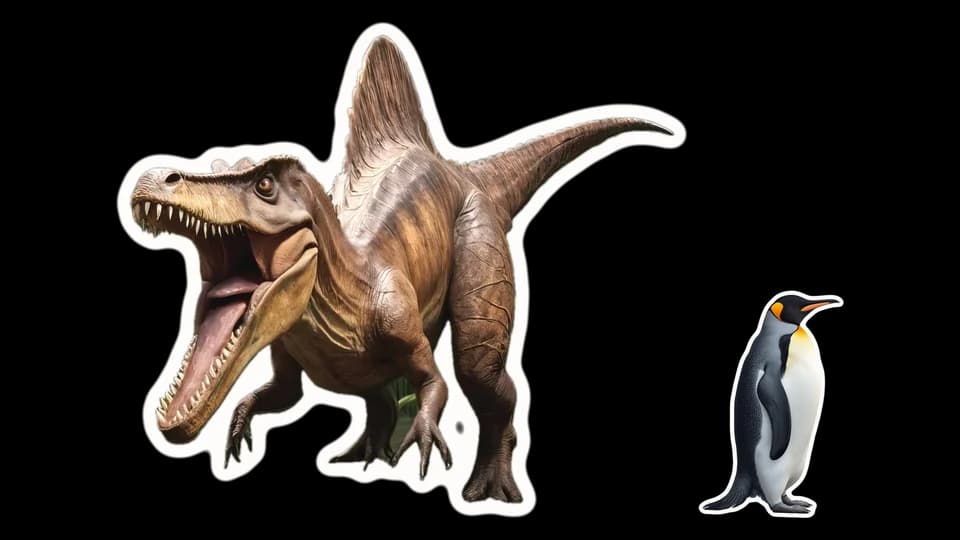 Water dinosaursWere there dinosaurs in the sea? No! But one dinosaur was a real swimmer, and some still are.Take a look →
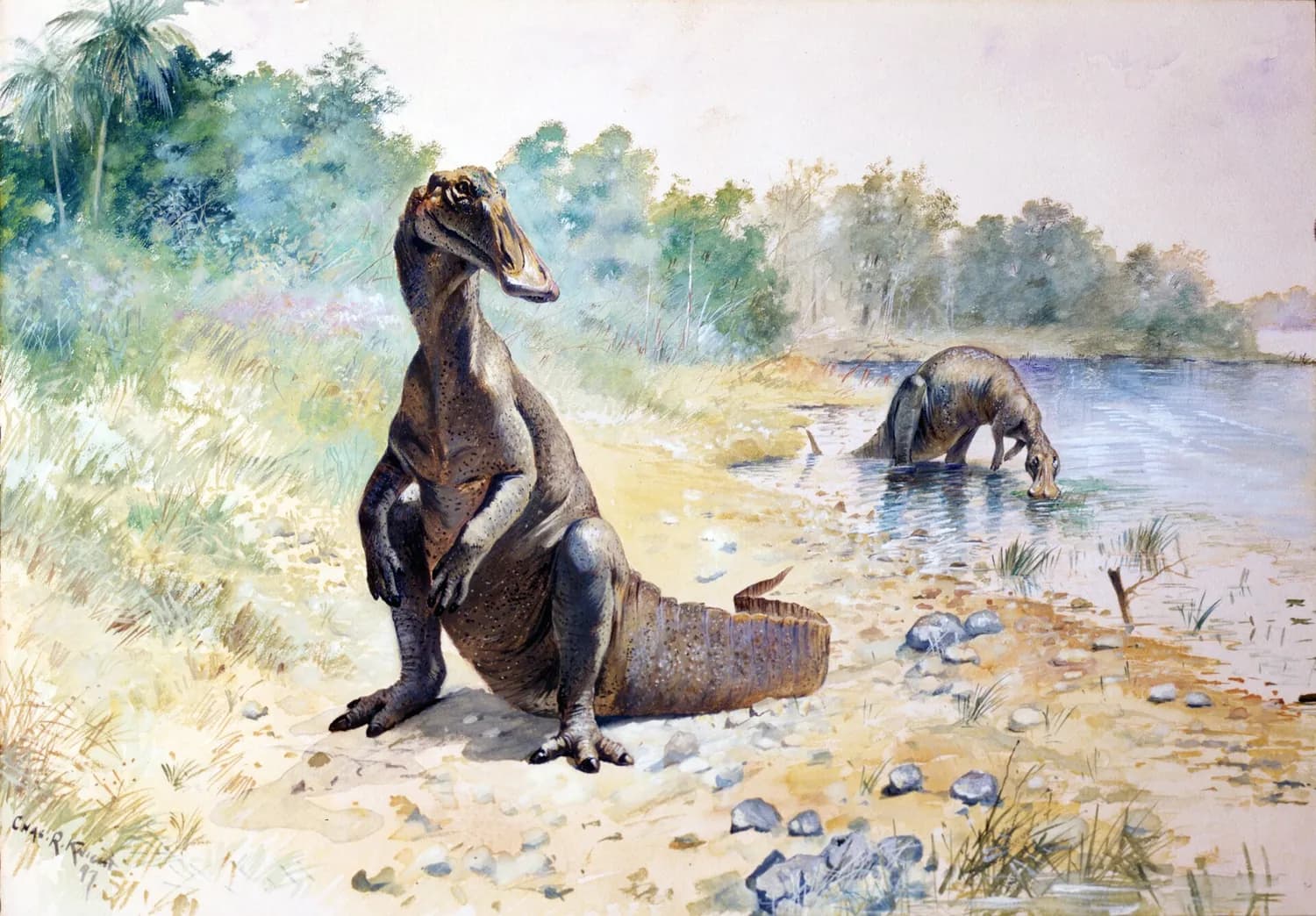 Duck-billed dinosaursDuck bills had a flat beak with hundreds of grinding teeth behind it, and some wore a crest like a helmet.Take a look →
Got a big question instead? The biggest, the fastest, the fliers and the long necks. Or meet ten dinosaurs, one page each, with a fun fact and a riddle.
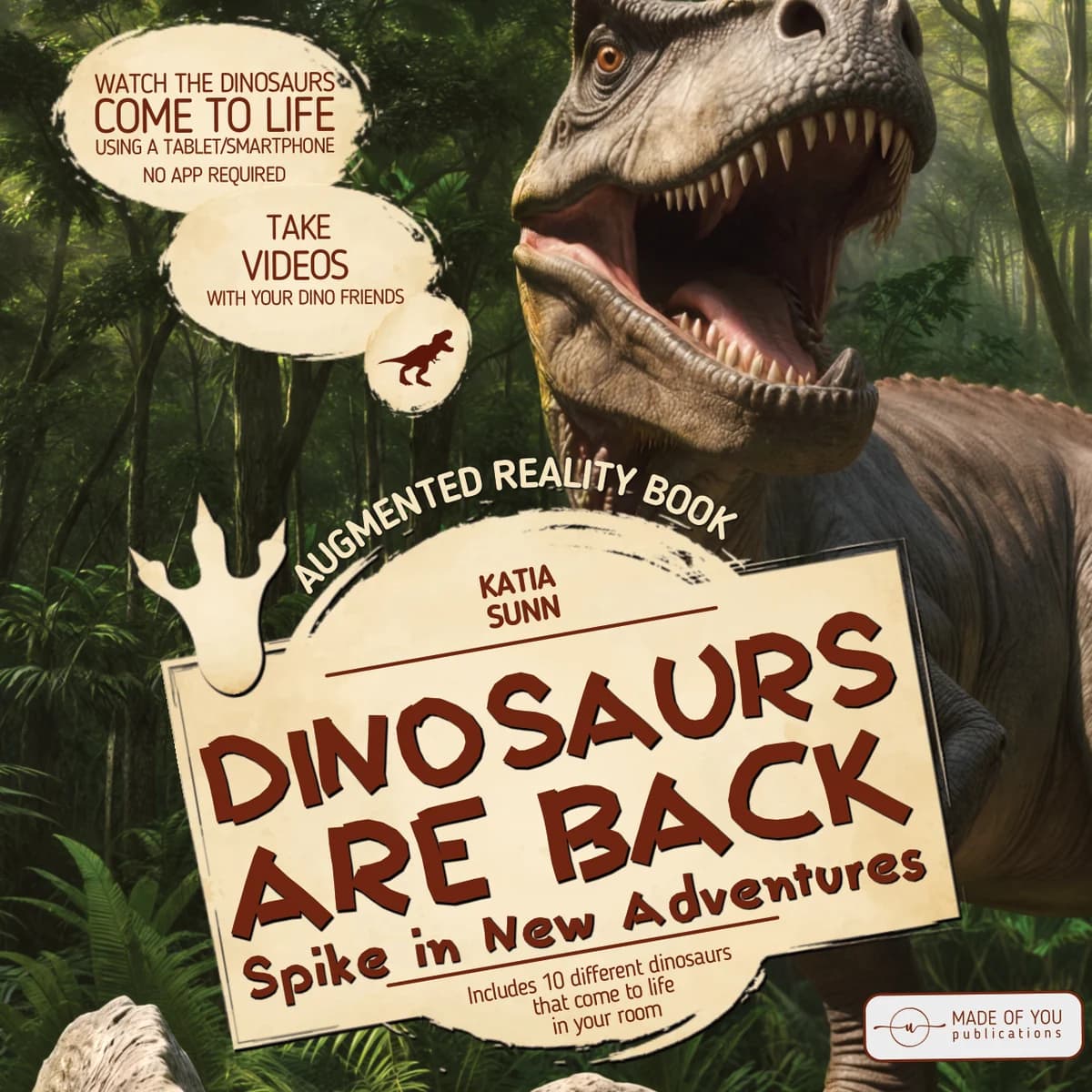
Our own bookA picture book · ages 6 to 10
Dinosaurs Are Back
Ten dinosaurs from five of the seven kinds, met one by one by Spike, a young Triceratops looking for his baby brother. Every one of them steps off its page with a phone or tablet.
Where these facts come from
Katia's facts are from the fact page near the end of Dinosaurs Are Back. Everything else was checked on these pages on October 1, 2026.
- National Park Service: Major groups of dinosaurs: the two hip groups, theropods and sauropods, the five kinds of bird-hipped dinosaurs, birds on the lizard-hipped side
- Natural History Museum, London: Your dinosaur questions answered (24 January 2024): hundreds of kinds named, about 50 new ones a year
- Natural History Museum, London: What are dinosaurs?: legs straight under the body, the flying and sea reptiles are not dinosaurs
- Natural History Museum, London: Pachycephalosaurus: thick-headed lizard
- Natural History Museum, London: Iguanodon
- Natural History Museum, London: Edmontosaurus
Picture credits