Times tables · for grown-ups · free
How to learn the times tables
It looks like 100 facts. It is 45.
Up to 10 × 10 the chart has 100 squares, and 100 sounds like a mountain. Take away the 1s, count 3 × 8 and 8 × 3 as the one fact they are, and 45 answers are left. Learn the tables in the order below and more than half of those 45 arrive with the three easiest tables. By the time you reach the 9s there is ONE new answer left.
Press Play
Watch the 45 arrive
This is the chart to 10. The 1s are orange from the start, because any number times 1 is itself. Press Play and the tables come in one at a time, in our order. A ring marks a new answer, and orange means you know it already. Keep an eye on the count beside the Play button.
| × | 1 | 2 | 3 | 4 | 5 | 6 | 7 | 8 | 9 | 10 |
|---|---|---|---|---|---|---|---|---|---|---|
| 1 | ||||||||||
| 2 | ||||||||||
| 3 | ||||||||||
| 4 | ||||||||||
| 5 | ||||||||||
| 6 | ||||||||||
| 7 | ||||||||||
| 8 | ||||||||||
| 9 | ||||||||||
| 10 |
Tap a square
Its row and its column light up, and you hear the answer.
Before the first table
The 1s are free
Any number times 1 is itself, so the first row and the first column are orange from the start. Now add the tables one at a time.
0 of 45 learned
- orange: you know it already
- ring: new in this table
- pale: still to come
The order our book uses
The order to learn the times tables in, and why it works
Our book teaches the tables in this order: 10, 5, 2, 4, 8, 7, 3, 6, 9, and then 11. The reasons below are plain arithmetic, with no study behind them, and you can check every line on the chart above.
The 45 would be 45 in ANY order, because 3 × 8 and 8 × 3 stay one fact whichever table you meet first. What the order changes is WHERE the new answers land. This one piles them into the easy tables and leaves the hard ones nearly empty.

The 10s9 new answers
2 × 10, 3 × 10, 4 × 10, 5 × 10, 6 × 10, 7 × 10, 8 × 10, 9 × 10, 10 × 10
The biggest pile of new answers, and the easiest one, because every answer ends in 0.

The 5s8 new answers
2 × 5, 3 × 5, 4 × 5, 5 × 5, 6 × 5, 7 × 5, 8 × 5, 9 × 5
10 × 5 is missing from the list. You had it in the 10s, as 5 × 10.

The 2s7 new answers
2 × 2, 3 × 2, 4 × 2, 6 × 2, 7 × 2, 8 × 2, 9 × 2
5 × 2 and 10 × 2 came along with the 5s and the 10s.

The 4s6 new answers
3 × 4, 4 × 4, 6 × 4, 7 × 4, 8 × 4, 9 × 4
Each of them is an answer from the 2s, doubled.


The 7s4 new answers
3 × 7, 6 × 7, 7 × 7, 9 × 7
The other six rows of the 7s turned up in earlier tables.


The 6s2 new answers
6 × 6, 9 × 6
Both come from doubling the 3s: 18 and 18 make 36, 27 and 27 make 54.


The 11sa pattern
They come last and they are not part of the 45. There is nothing to memorize except 10 × 11 = 110.
Add them up
9 + 8 + 7 + 6 + 5 + 4 + 3 + 2 + 1 = 45
- 24 of them are in the 10s, the 5s and the 2s. Those are answers that end in 0, answers that end in 5 or 0, and doubles.
- 11 more are in the 4s and the 8s, and every one is a double of an answer you already have.
- That leaves 10 for the 7s, the 3s, the 6s and the 9s together. The tables with the scary names come when there is almost nothing left of them.
Count it yourself
Where the 45 comes from
- The chart to 10 has 100 squares.
- 19 of them are in the row or the column of the 1s. That leaves 81.
- 9 of those are a number times itself, from 2 × 2 to 10 × 10.
- The other 72 come in pairs, like 3 × 8 and 8 × 3. That makes 36 facts.
- 9 + 36 = 45.
From the book
One trick for each times table
Each card holds the first trick our book gives for that table, the same one its own page shows. The book has more for most tables, and those stay in the book.
The 10 times table
A trick from the book
If the answers are hard to remember, think of this: look down the answers. The ones are always 0 and the tens go up by 1. Except for 100.
The 5 times table
A trick from the book
To learn the 5 times table more easily, remember that the answers go up by 5. Just like counting in hide and seek!
The 2 times table
A trick from the book
Remember: when you multiply a number by 2, you are really doubling it. So if you want to find 3 × 2, you can think 3 + 3 = 6, so 3 × 2 = 6.
The 4 times table
A trick from the book
When you multiply a number by 4, you can multiply it by 2 (from the 2 times table) and double the answer you find. For example, to find 3 × 4, you find 3 × 2 = 6 and double it, which makes 12. So 3 × 4 = 12.
The 8 times table
A trick from the book
The answers of the 8 times table are double the answers of the 4 times table. For example, 2 × 8 = ? 2 × 4 = 8, and 8 + 8 = 16, so 2 × 8 = 16.
The 7 times table
No trick in the book
The book has no trick for the 7s. Only four of them are new: 3 × 7, 6 × 7, 7 × 7 and 9 × 7.
The 3 times table
A trick from the book
Learn the tables up to the middle, that is up to 5. When you know those answers well, carry on up to 10.
The 6 times table
A trick from the book
The answers of the 6 times table are double the answers of the 3 times table. If you can't remember a number times 6, think of that number times 3 and double it. For example: 4 × 6 = ? 4 × 3 = 12, and 12 + 12 = 24. So 4 × 6 = 24.
The 9 times table
A trick from the book
Look down the answers. The ones go down by 1 and the tens go up by 1.
The 11 times table
A trick from the book
When you multiply a number by 11, the answer is that same number written twice! Except for 110, which is the last answer. For example, 4 × 11 = ? In the answer we write the number 4 twice, so 44.
Two answers first
The two stars in every table
On every blackboard in our book two answers sit on a star. One is the middle of the table, 5 times the number. The other is the number times itself. In the 8s they are 5 × 8 = 40 and 8 × 8 = 64.
The book says it will help you a lot to learn those two really well, in every table.
Our own note, not from the book
With the two stars in place, the answers around them are one short step away. 4 × 8 is one 8 less than 40, and 6 × 8 is one 8 more. 7 × 8 is one 8 less than 64, and 9 × 8 is one 8 more.
On the right is the 8 times table as its own page shows it. Tap a row to hear it.
One fact, two ways to say it
Turn it around: 3 × 8 and 8 × 3
The whole 45 rests on this one idea. 3 × 8 is 24 and 8 × 3 is 24, so they are ONE fact to remember. Whichever of the two you learn first, the other comes free.
Our book says it out loud in the 4s: whether you think 5 × 4 or 4 × 5, it is the same 20. It says it again in the 7s and in the 6s.
At school this goes by a longer name, the commutative property of multiplication.
A plan for four weeks
Ten minutes a day
We picked ten minutes because ten minutes can happen EVERY day, even on the bad ones. The plan below follows the order above, so the weeks get lighter as the tables get harder.
Week 124 new answers
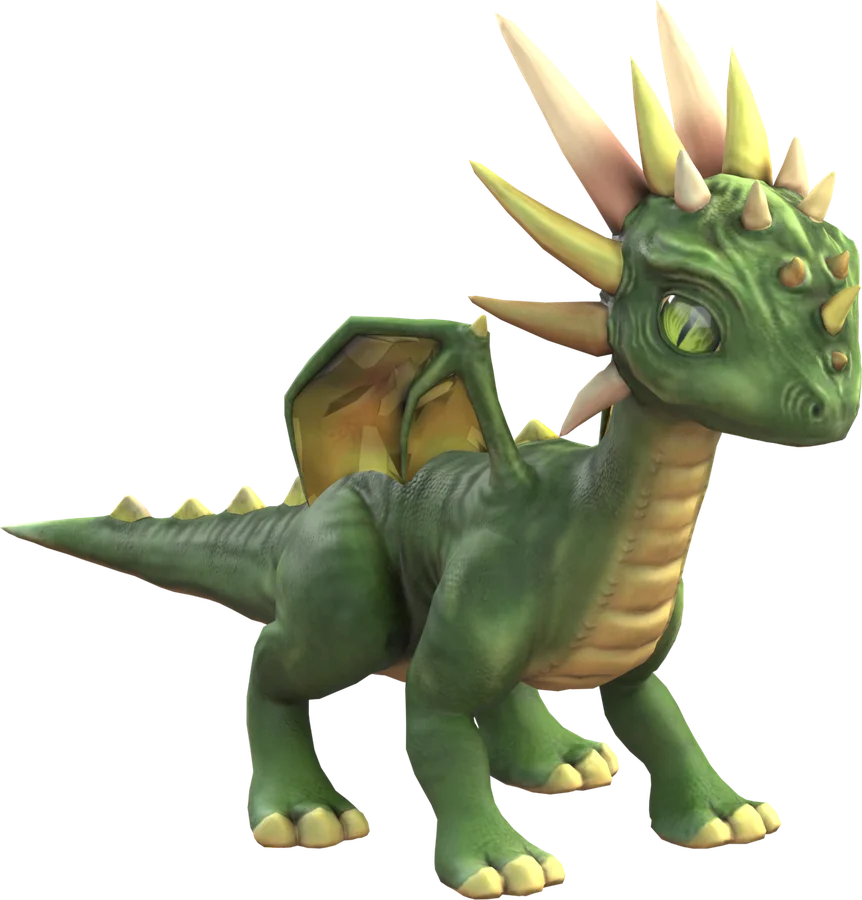
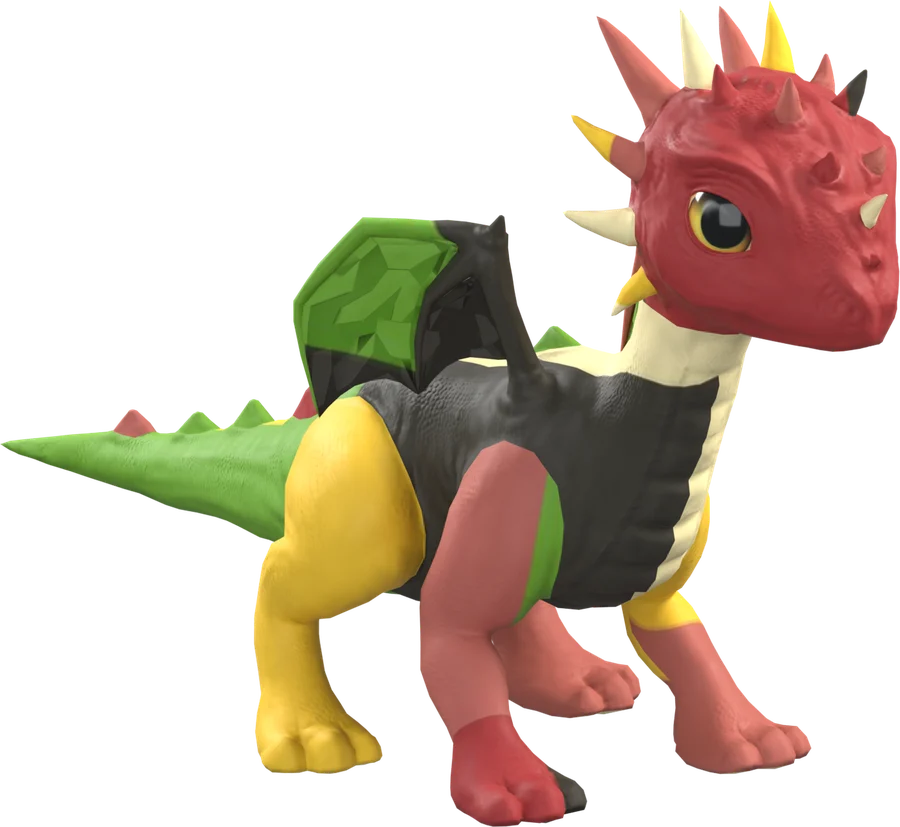
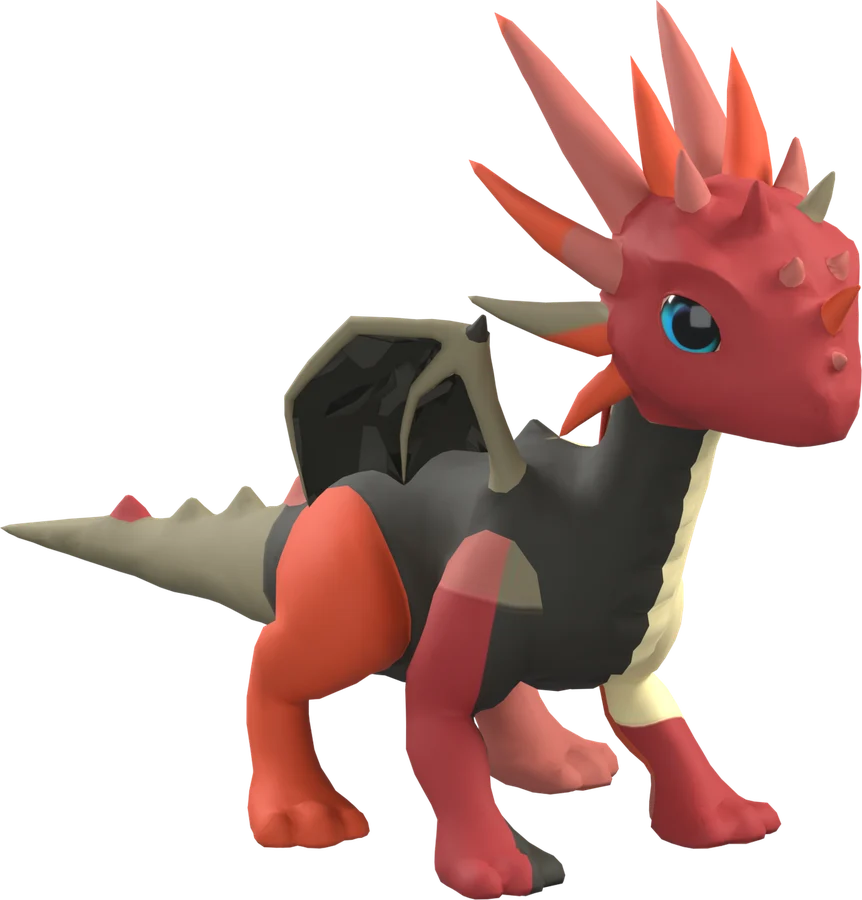
The 10s, the 5s and the 2s
The big week, and the gentle one. The 10s end in 0, the 5s end in 5 or 0, and the 2s are doubles.
Week 211 new answers
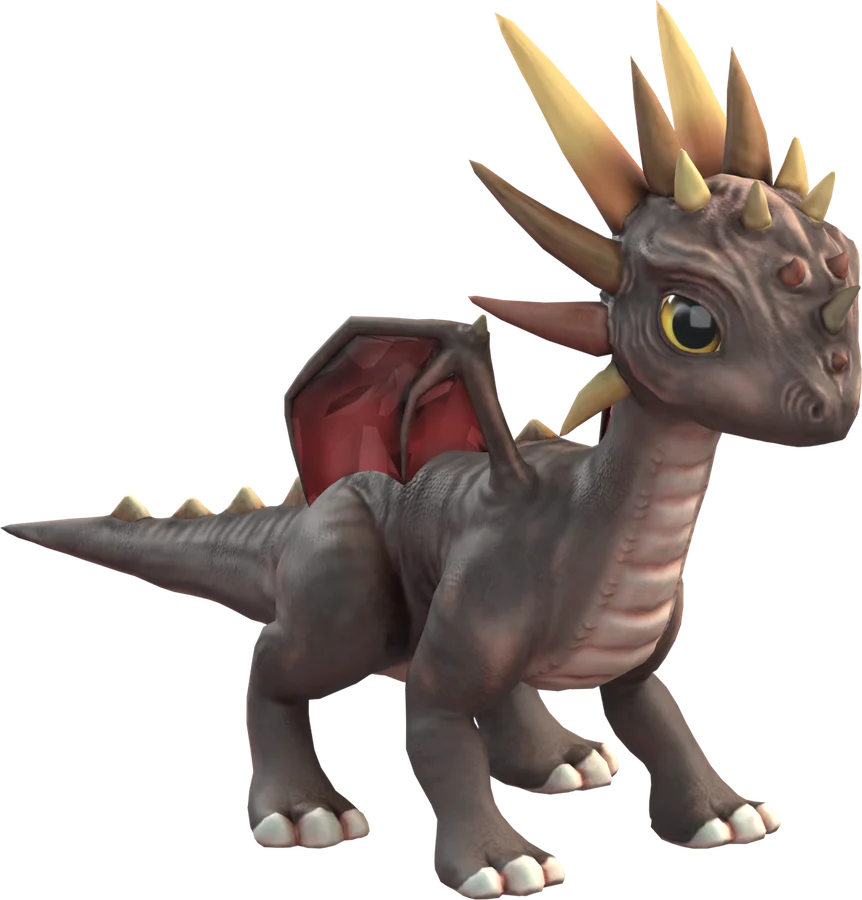
The 4s and the 8s
Every new answer this week comes from doubling: the 4s from the 2s, and the 8s from the 4s.
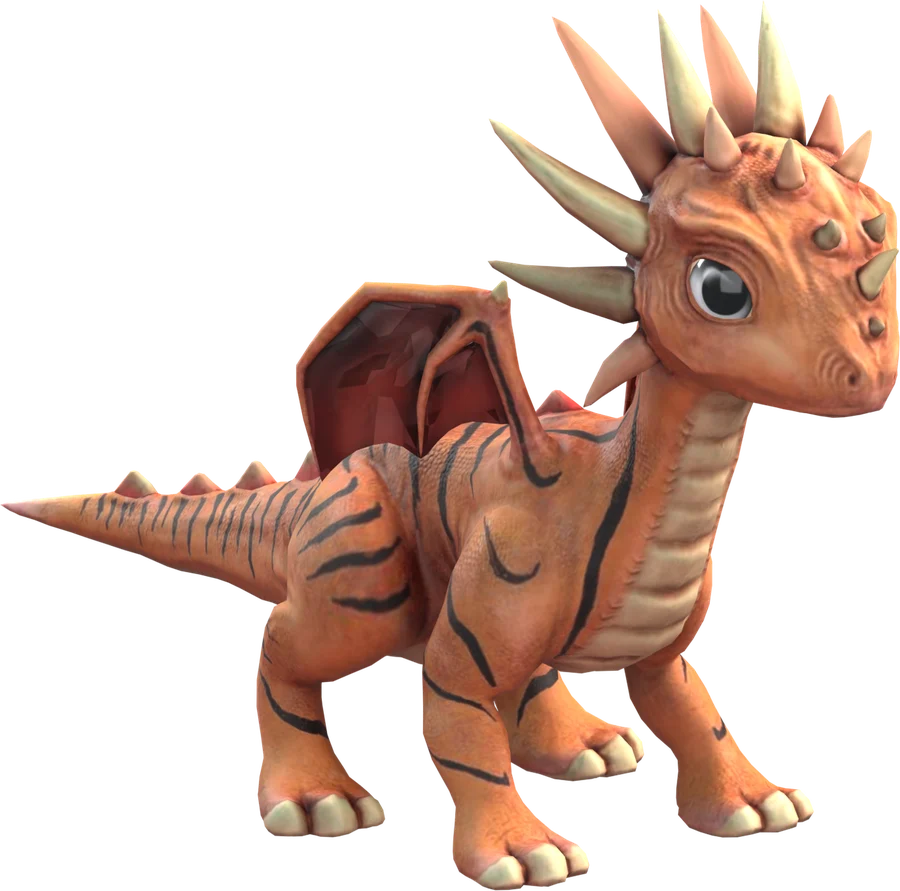
Week 37 new answers
The 7s and the 3s
The 7s sound scary, but they have four new answers and the 3s have three.
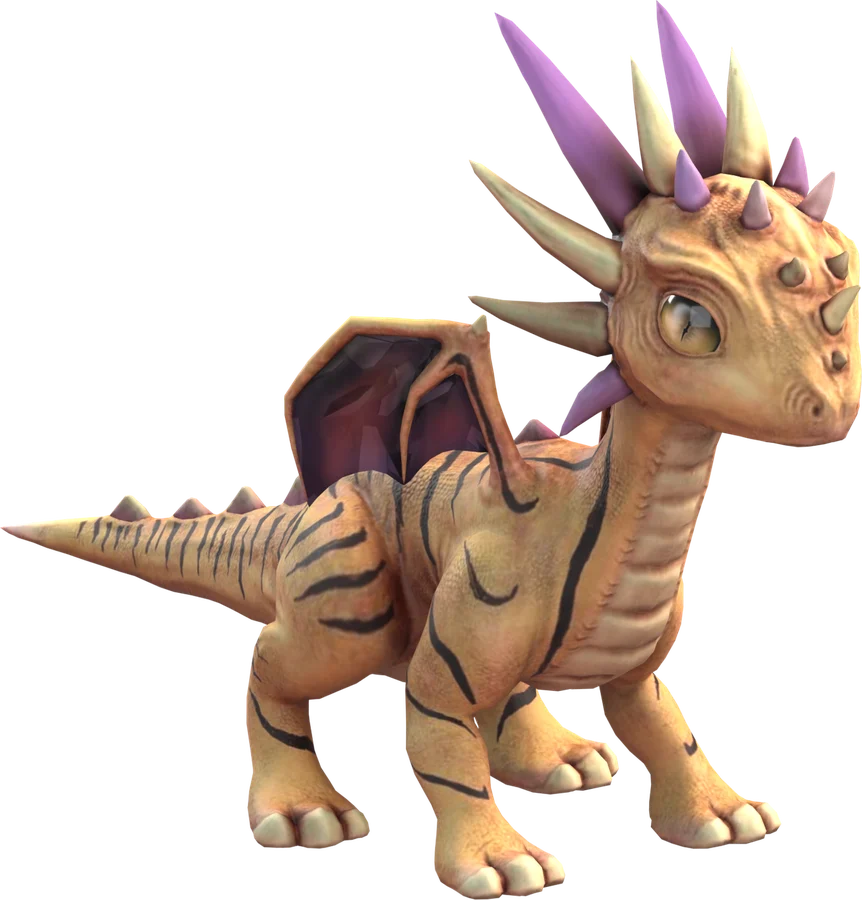
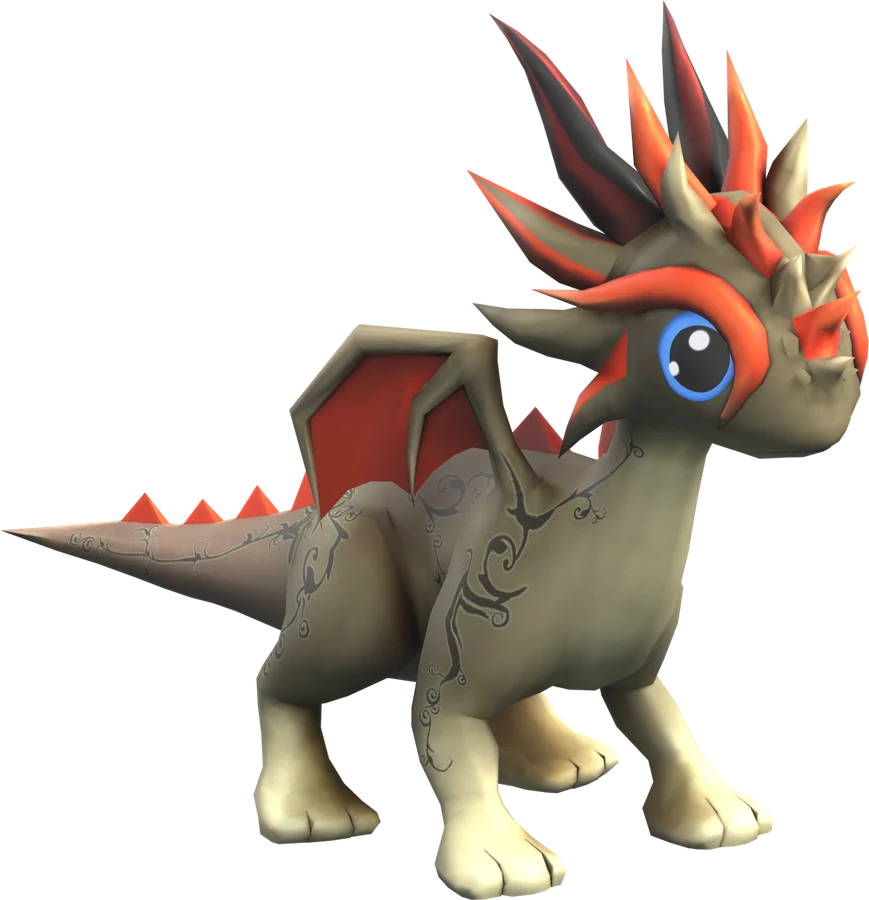
Week 43 new answers
The 6s, the 9s and the 11s
The 6s are the 3s doubled, the 9s have ONE new answer, and the 11s are a pattern.
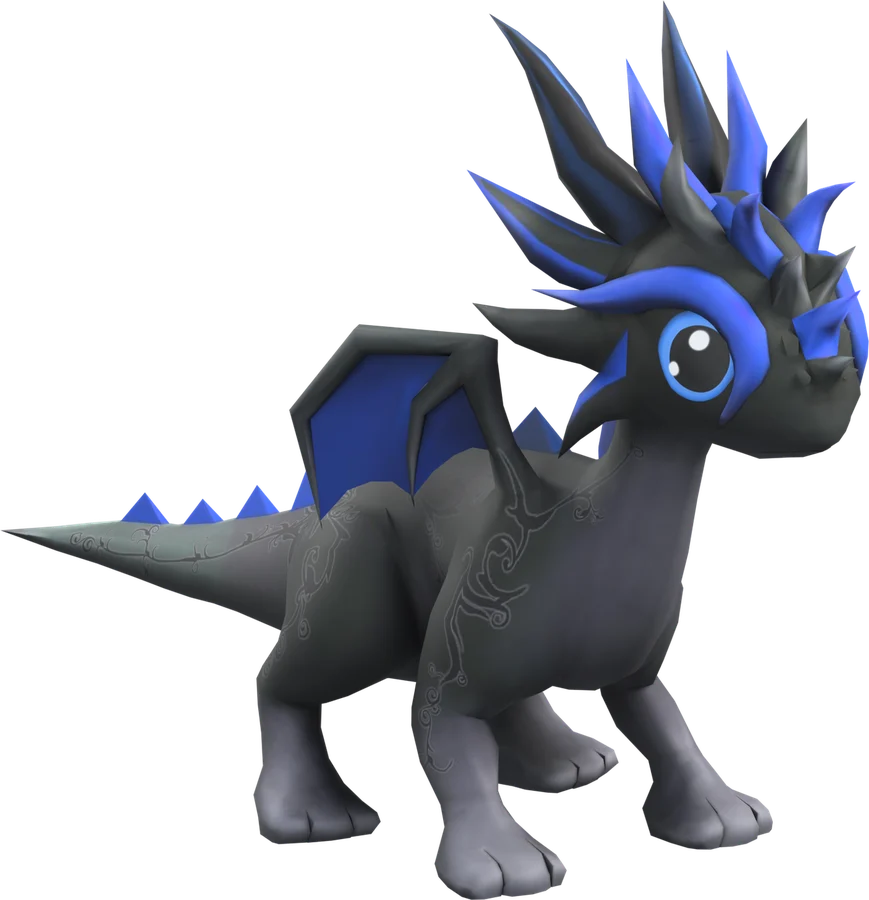
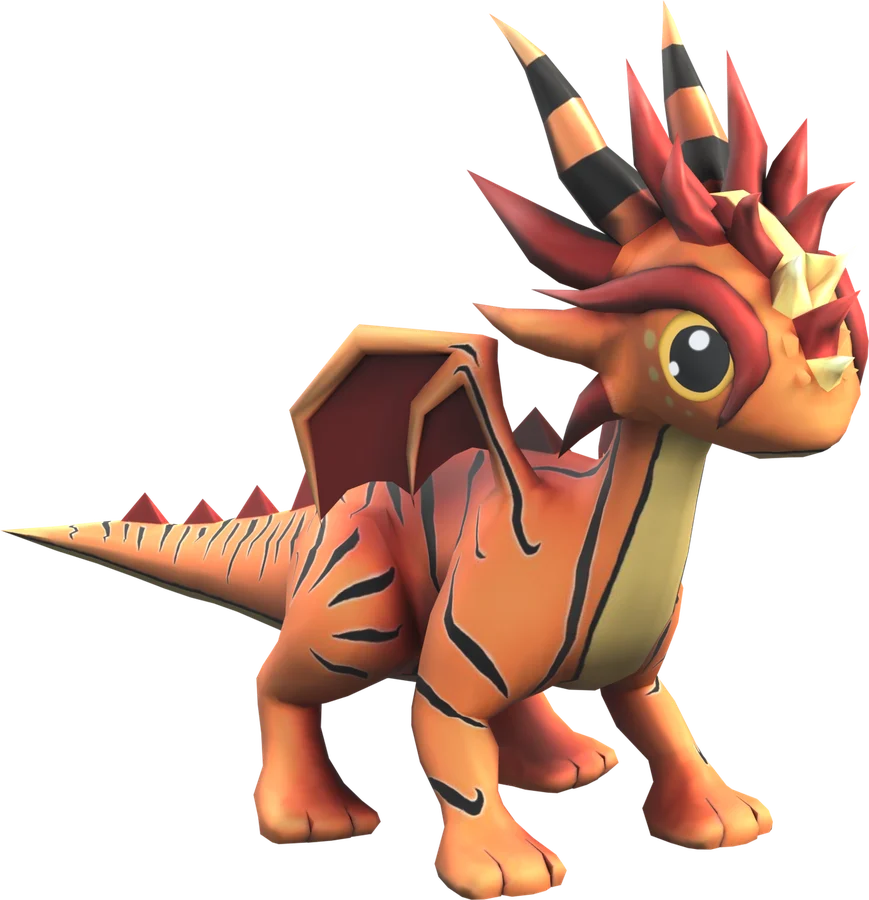
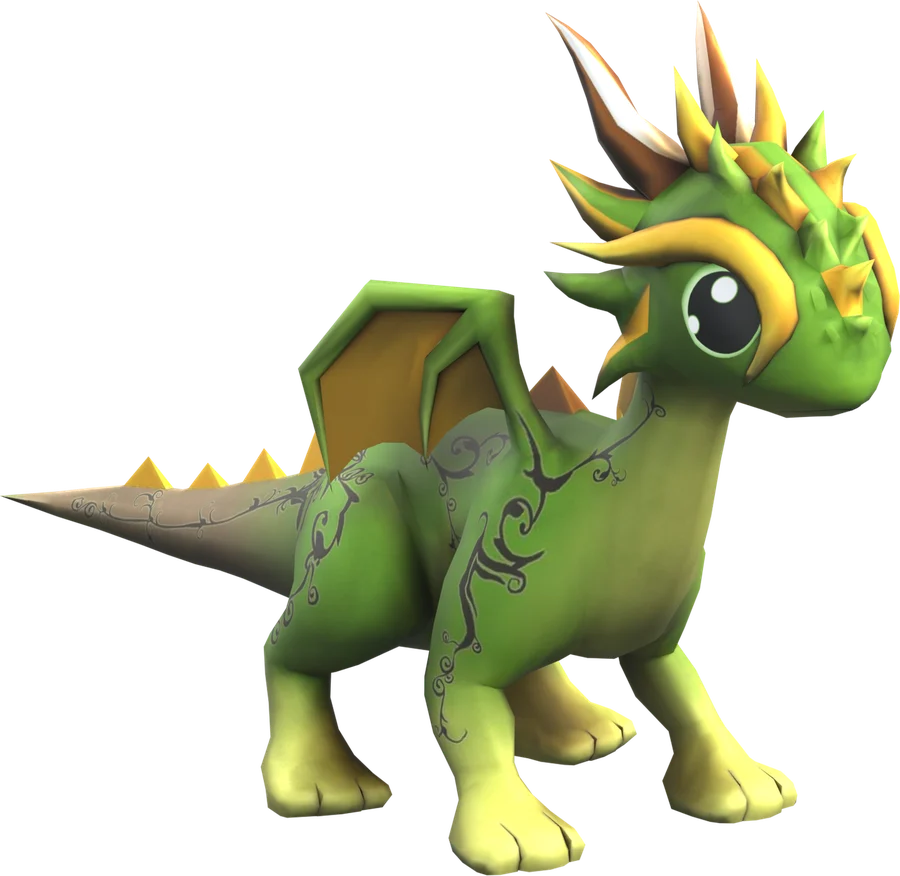
What goes into the ten minutes is up to you. On each table's page a child can hear the table read aloud, hide the answers to test themselves, and play five free levels of a cube game.
Four weeks is a plan, and we can't promise it. If a week didn't stick, do it again before you move on.
Free, no sign-up
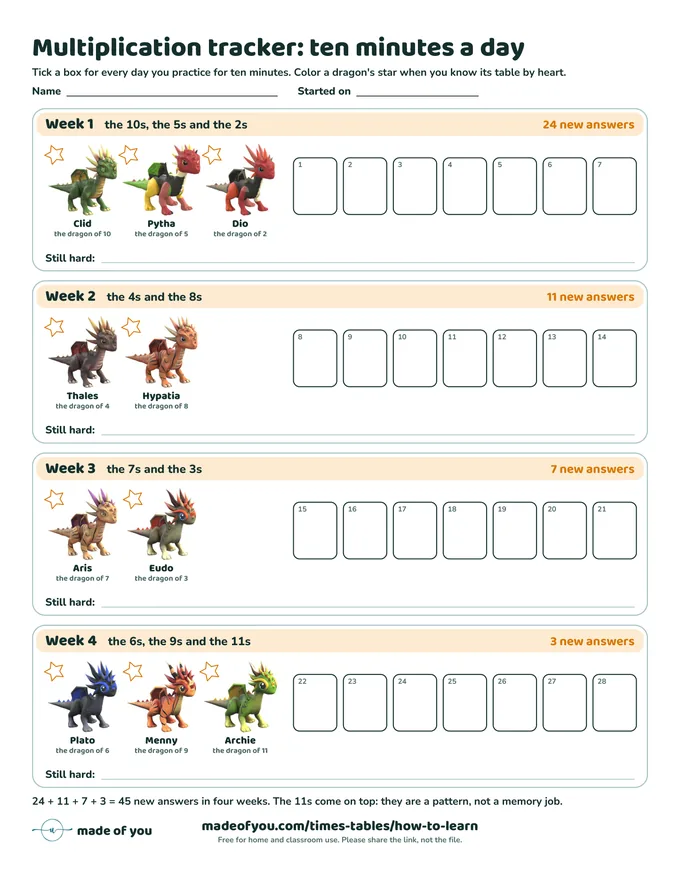
Print the tracker
One page for the fridge. It has a box to tick for each of the 28 days, a star to color beside each dragon once its table is known by heart, and a line every week for the facts that are still hard. Write those down! They are where next week starts.
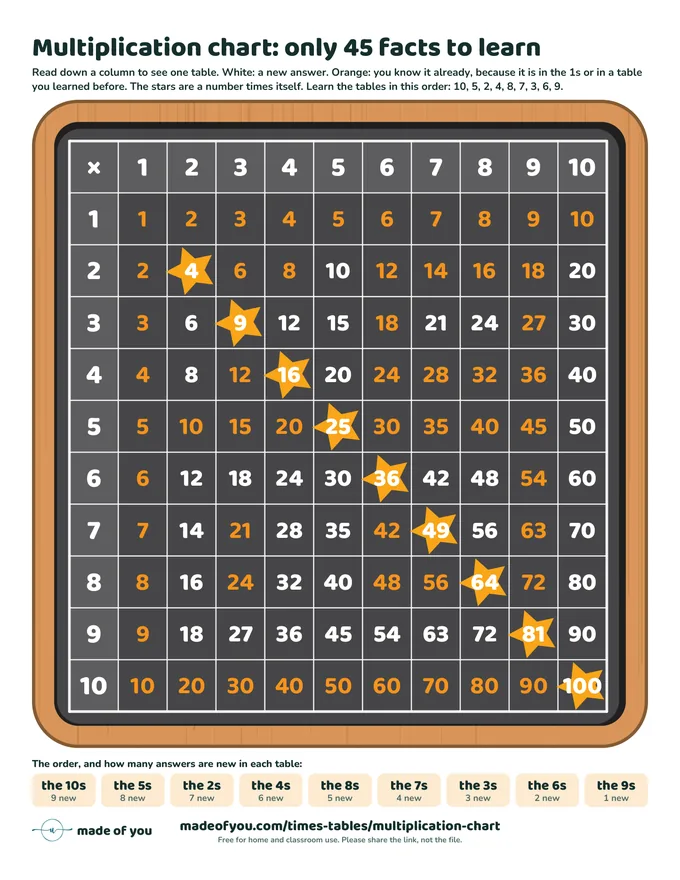
The 45 facts chart goes well next to it: white is a new answer and orange is one you know already.
Free for home and classroom use. To pass them on, please share the link to this page and not the file.
Ten minutes a day tracker
Four weeks, a box to tick for each day, and the ten dragons by name, in the order to learn the tables. Each week has a line for the facts that are still hard.
1 page · PDF
The 45 facts chart
The 45 answers that are really new stand out, and the ones a child knows already are faded. The order to learn the tables in runs along the foot.
1 page · PDF
After the 45
What about the 11s and the 12s?
The 11s are a pattern, so they are a job for the eyes and not for the memory. Up to 9 × 11 the answer is the number written twice. Only 10 × 11 = 110 has to be remembered.
The 12s depend on your school. England's national curriculum asks for the tables up to 12 × 12, while the Common Core standards in the United States ask for the products of two one-digit numbers, which stop at 9 × 9. Our game and its voice stop at 11. If your school goes to 12, print the chart from 1 to 12 and see the 12 times table on its own page.
Sources: National curriculum in England: mathematics programmes of study, GOV.UK, and the Common Core State Standards for Mathematics, standard 3.OA.7. Both read on 2 October 2026.
Questions
Grown-ups ask
- What age do children learn the times tables?
- That depends on where you live. England's national curriculum says: “By the end of year 4, pupils should have memorised their multiplication tables up to and including the 12 multiplication table”. Year 4 is the school year for ages 8 to 9. The work starts in Year 2 (ages 6 to 7) with the 2, 5 and 10 tables. In the United States the Common Core standards say: “By the end of Grade 3, know from memory all products of two one-digit numbers.” Not every state uses those standards, so your child's school is the place to ask. (All three pages read on 2 October 2026.)
- Which times table should you learn first?
- The 10s. Our book goes 10, 5, 2 and only then on to the others. England's national curriculum opens with the same three: Year 2 pupils learn “the 2, 5 and 10 multiplication tables”. In our order those three tables hold 24 of the 45 answers, so more than half of them are in before the 4s even start.
- Which times tables are the hardest?
- That differs from child to child, which is why our tracker has a “Still hard” line for every week. The arithmetic can narrow it down, though. Once the 10s, 5s, 2s and 4s are done, 15 answers are left, and in every one of them both numbers come from 3, 6, 7, 8 and 9. Think of 6 × 7, 7 × 8 or 6 × 8. Those 15 are the ones to watch.
- How long does it take to learn the times tables?
- We can't give you a number we would stand behind, because children differ too much. Our tracker runs for four weeks at ten minutes a day. Take that as a plan to start from: a week that didn't stick gets done again. For scale, England's national curriculum spreads the tables over three school years, from Year 2 to the end of Year 4.
- Is it OK to use fingers for the 9 times table?
- Yes. Our book teaches a finger trick for the 9s itself, right next to the pattern in the answers. And in our order the 9s arrive with only one new answer, 9 × 9 = 81, so there is very little left for the fingers to do.
- What if school teaches the times tables in a different order?
- Then follow school. The count stays at 45 in any order, because 3 × 8 and 8 × 3 are one fact whichever table you meet first. England's national curriculum, for one, has the 3, 4 and 8 tables in Year 3 and the others, up to 12 × 12, in Year 4. The tricks and the two stars work the same either way.
Our own book
This method, with every trick
For grown-ups · it comes out in November 2026
Our times tables book is this page, one table at a time. It keeps the same order, gives every table its own blackboard with the two stars and the answers you already know in orange, and has ALL the tricks, where this page has only the first.
The book also opens levels 6 to 10 of each table's cube game on this site.
More times tables
- Times tables with dragonsTen tables, ten dragons, one free cube game.
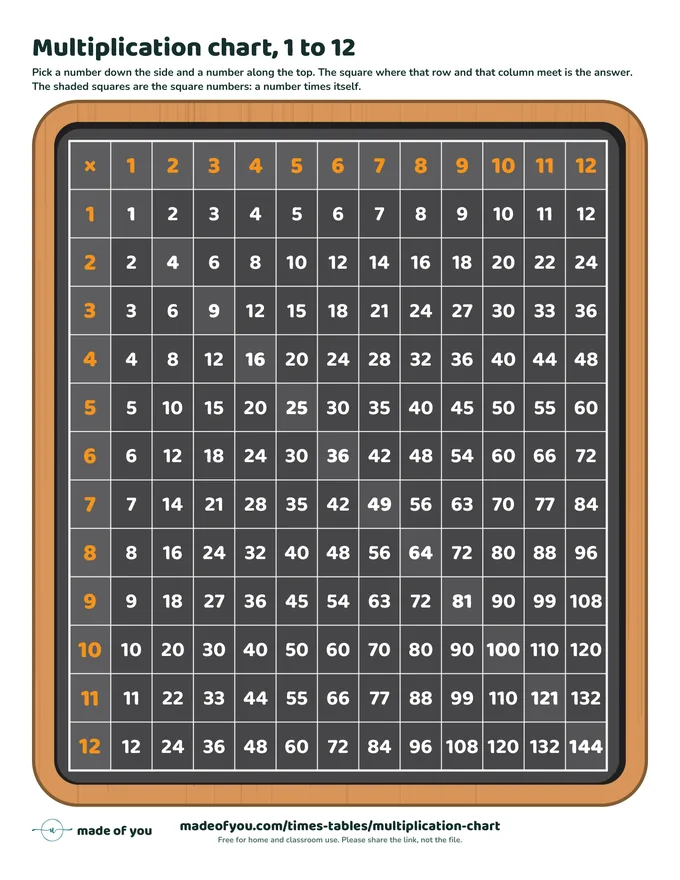 Multiplication chartTap a square to hear it, or print it
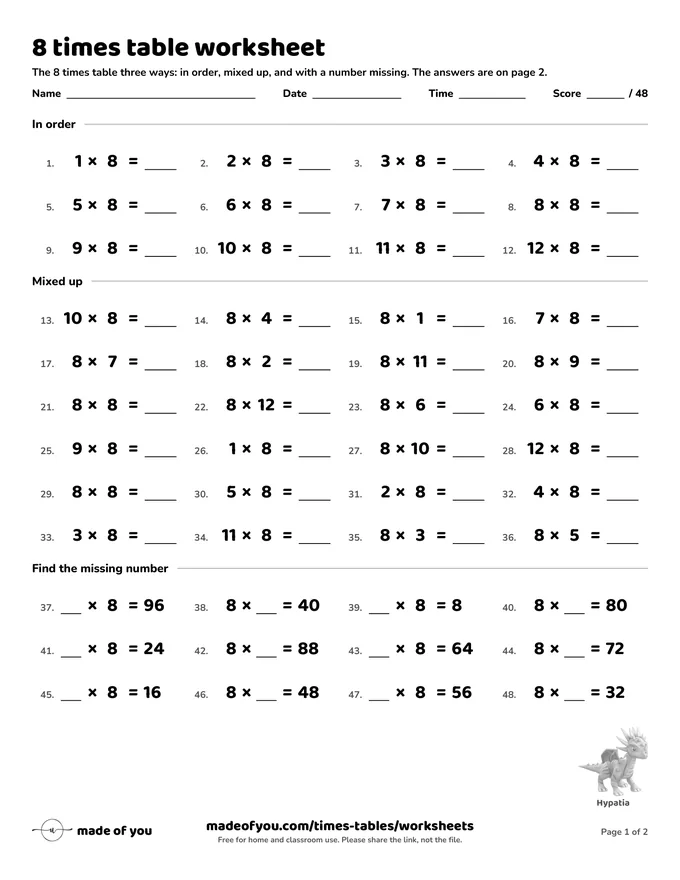 Times tables worksheetsMake a fresh sheet, or print a ready one
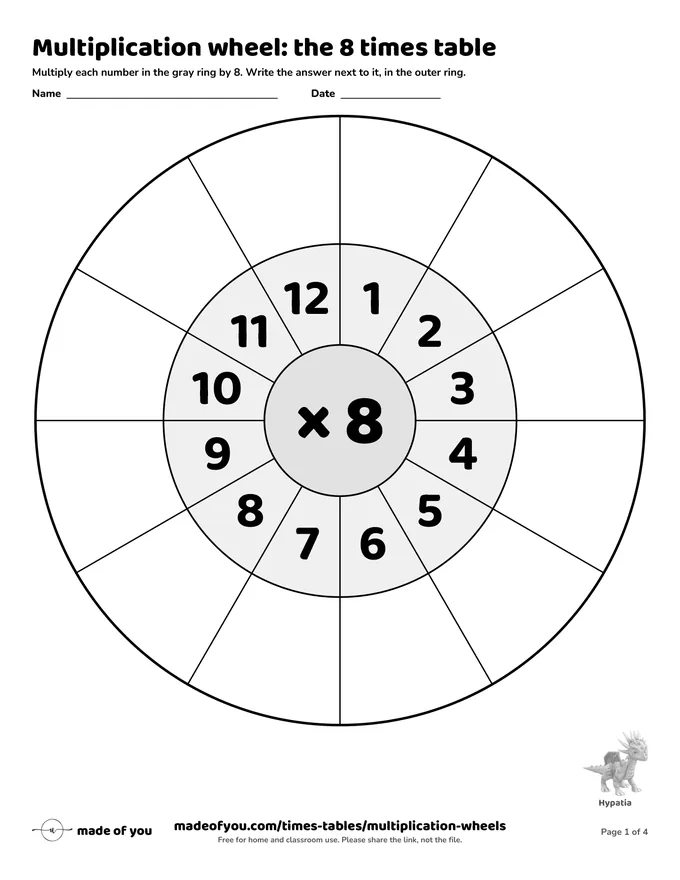 Multiplication wheelsFill one in on the page, or print the twelve
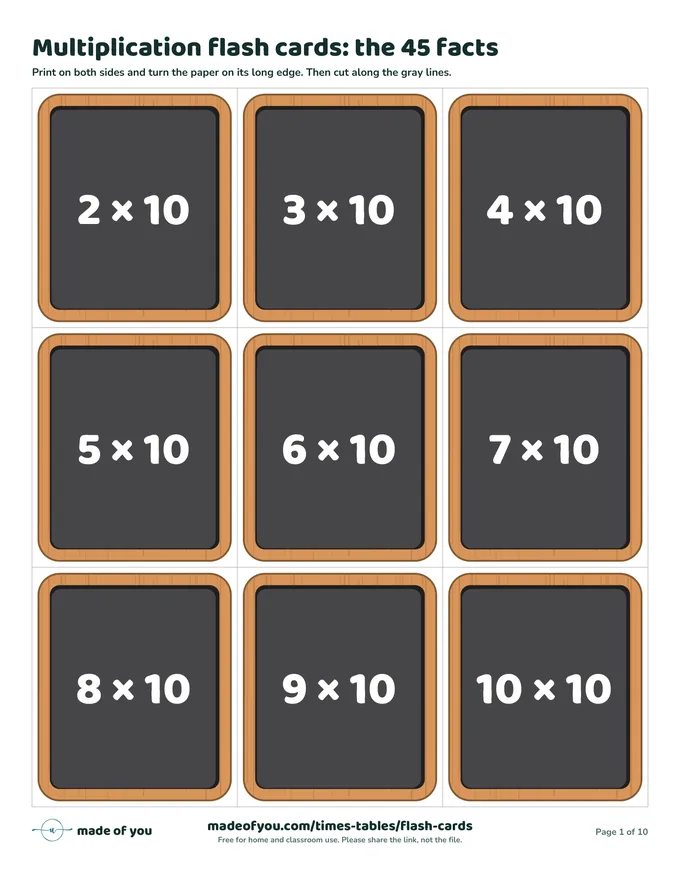 Multiplication flash cardsCards that remember the hard ones, and decks to print
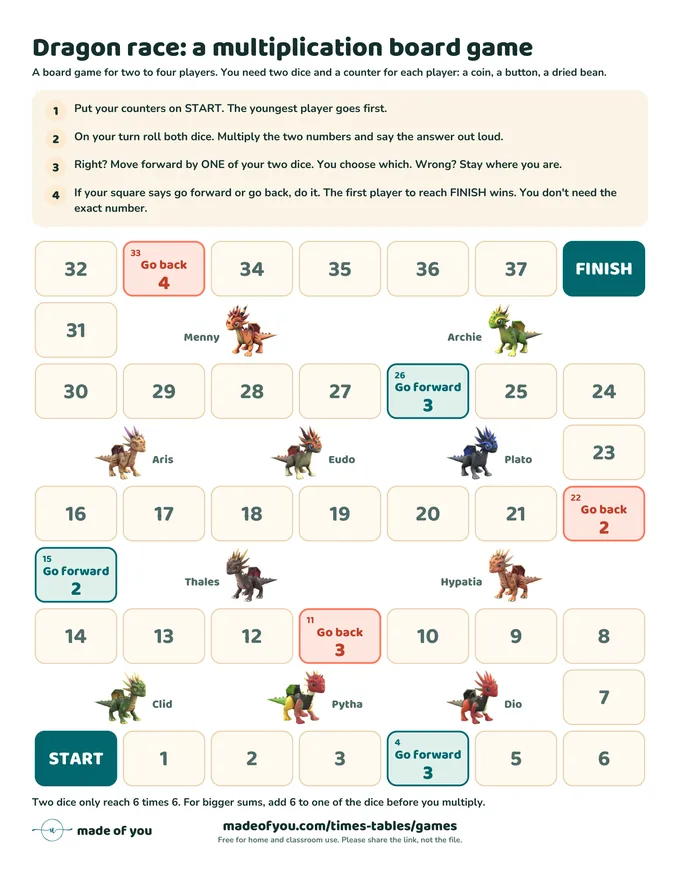 Multiplication gamesBingo, a board game, cards, dice and ten dragons
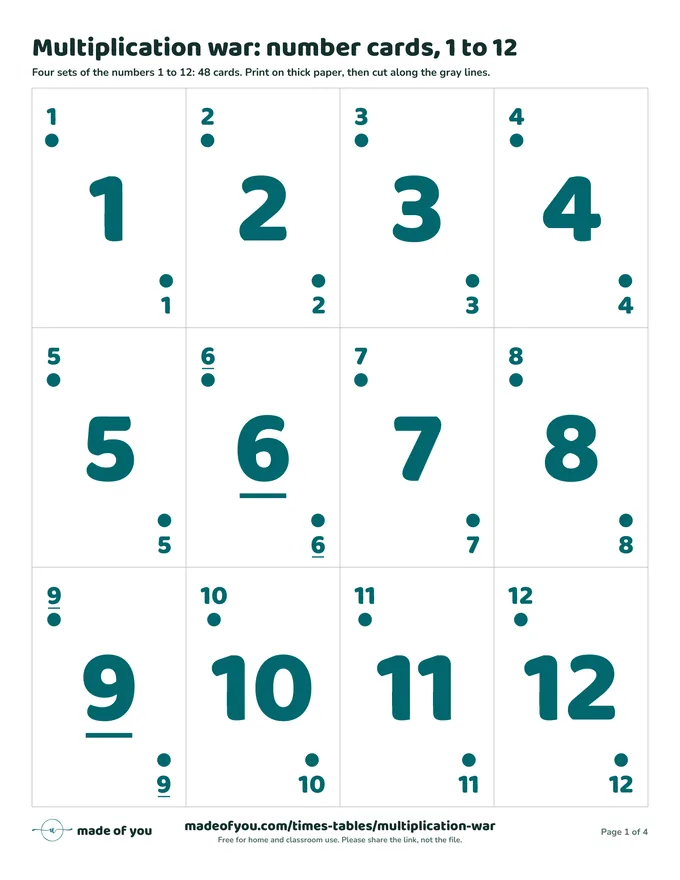 Multiplication warThe card game in six steps, with cards to print
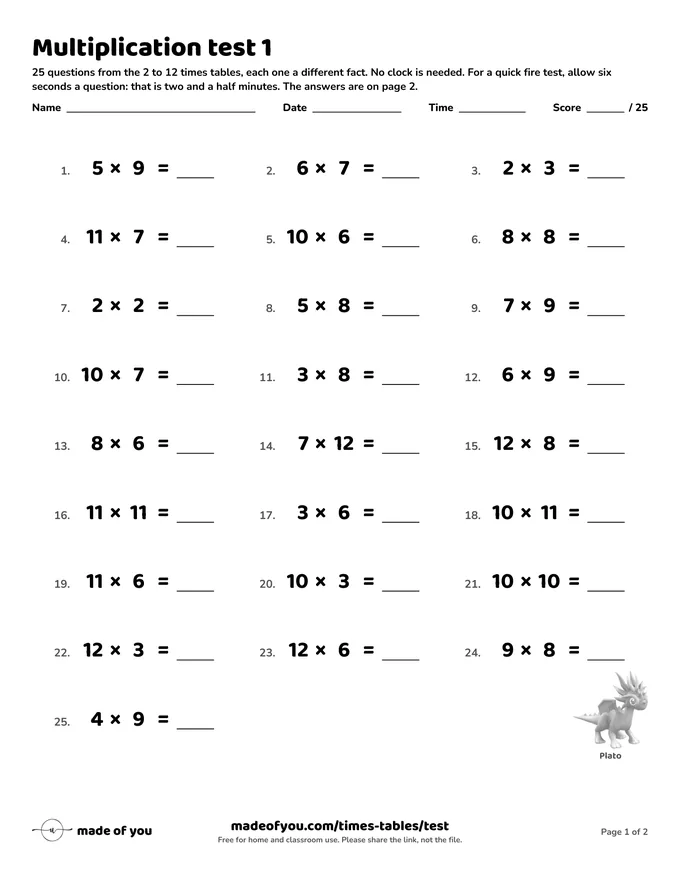 Times tables testTake your time or quick fire, then a chart of your own
- Multiplication tables checkA practice for the Year 4 check in England
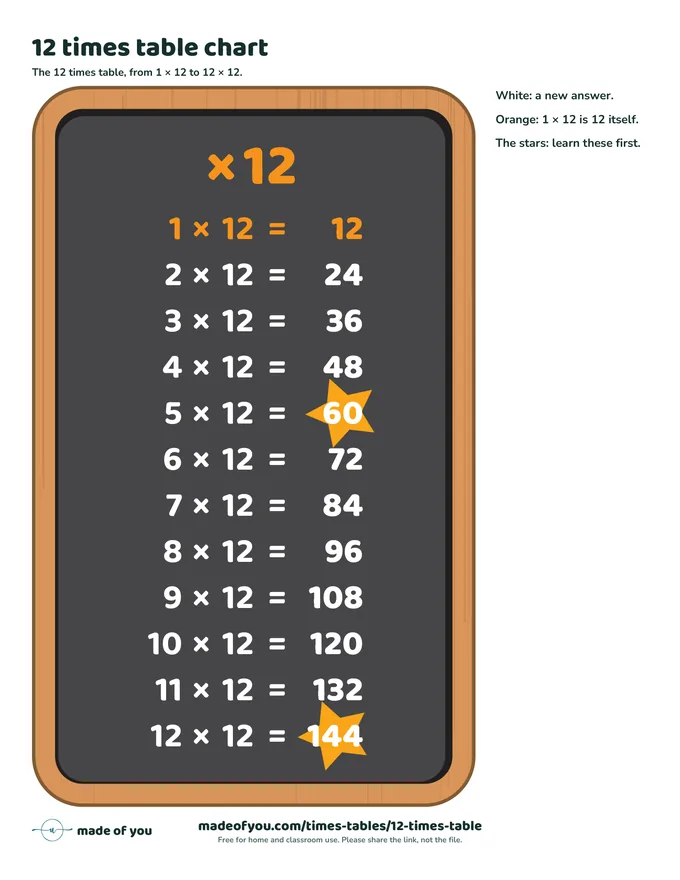 The 12 times tableTwelve rows, a tip, and sheets to print