Free chart to print · ages 3 to 8
A feelings chart for kids: what am I feeling?
Your child points to one of Foo's nine faces, and a cloud shows how big the feeling is.
Little children often feel a lot before they have the words for it. In our picture book Foo's Big Emotions, Foo is sad, worried, cross and puzzled, and in the end calm and happy again. His faces make a feelings chart your child can point to when the words won't come.
The quick answer
How to use a feelings chart with your child
There are four small steps. The first matters most, and often it's enough.
Point and name
Ask “Which face is like you?” and let your child point. Then say the word back: “You feel worried.” Naming a feeling helps a child feel understood.
Ask how big
Is it a little white cloud, or Foo's big dark one? A big feeling needs a calm-down first. A small one can just be talked about.
Ask where
“Where do you feel it?” In the tummy, the hands, the face? When Foo is upset, his voice gets loud, he sweats and he cries.
Choose what helps
Offer a cuddle, a slow breath or a song. Sometimes nothing more is needed, because the feeling only had to be said out loud.
Sources: Zero to Three; HealthyChildren.org
Print · free, no sign-up
The free feelings sheets
The feelings chart, nine “I feel...” cards to cut out, the “How big is my cloud?” meter and, as a first try, a kids' feelings wheel. US Letter and A4, color and black and white, no email.
Every other free sheet, from the calm-down cards to the calm corner kit, is on our calm-down ideas page.
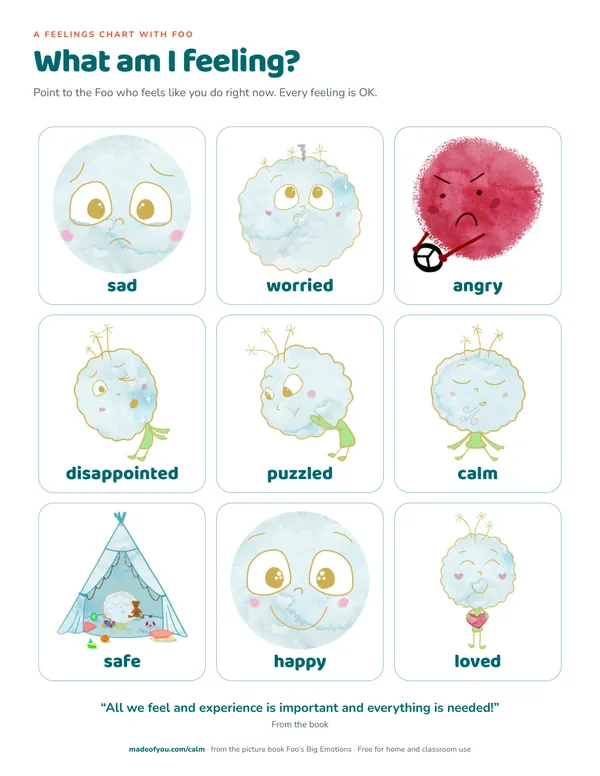
Feelings chart
Nine of Foo's faces from the book, from sad and worried to calm, safe and loved.
1 page · PDF
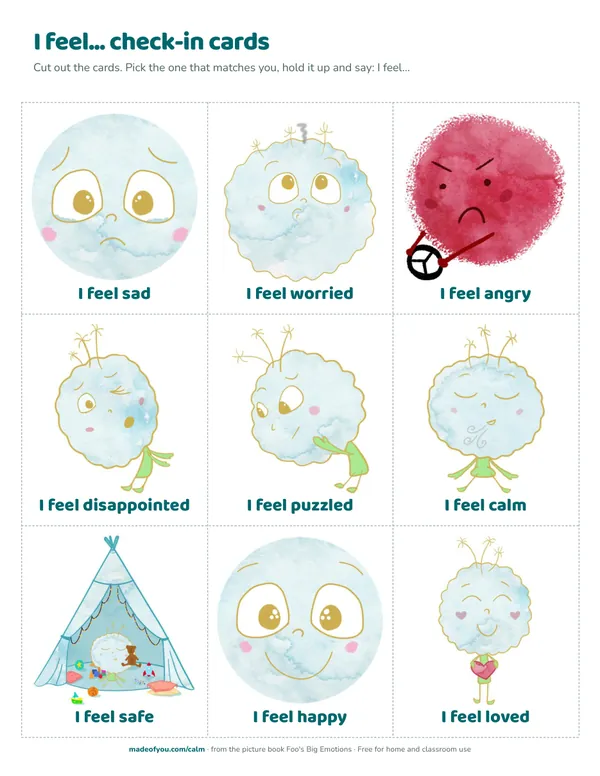
"I feel..." check-in cards
Nine cards to cut out. Your child holds one up and says: I feel worried. A gentle way to start a talk.
1 page · PDF
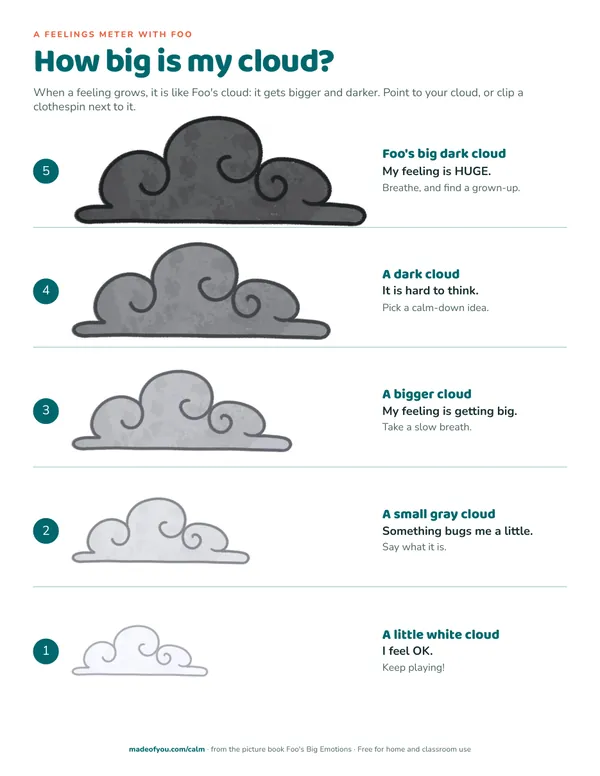
How big is my cloud?
A feelings meter with five clouds, from a little white one to Foo's big dark cloud.
1 page · PDF
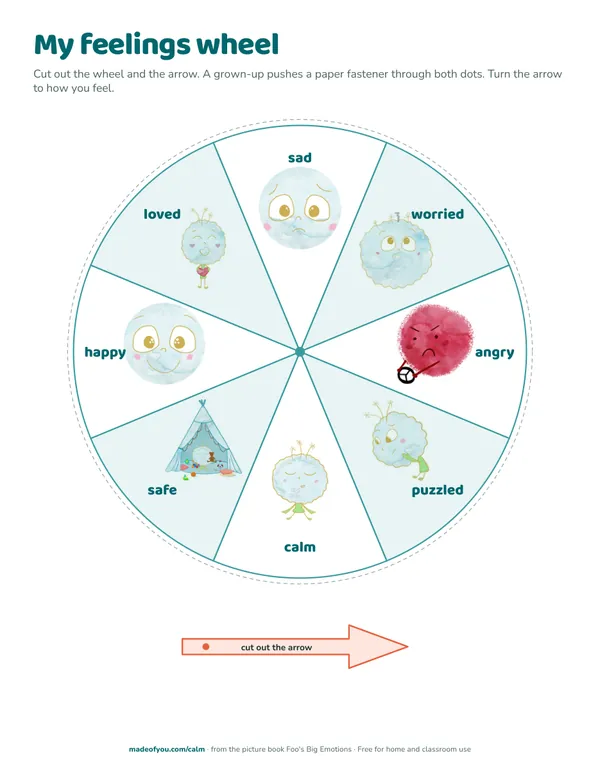
Feelings wheel
Eight of Foo's faces on a wheel, with an arrow to turn. You need a paper fastener.
1 page · PDF
Free for home and classroom use. To pass them on, please share the link to this page and not the file.
Feelings faces
Nine of Foo's faces, from the book
Every face comes from the pages of Foo's Big Emotions, just as it was drawn. We put each one on the same white card on purpose: a feeling isn't a color. In our book, Blue is the friend who feels like a blue volcano, ready to erupt.
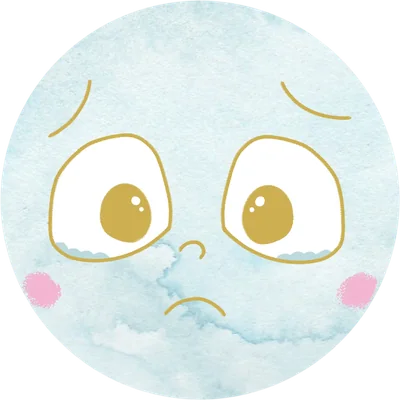
sad
Foo, when his friend Fall is leaving
In the story: His big eyes looked so sad…
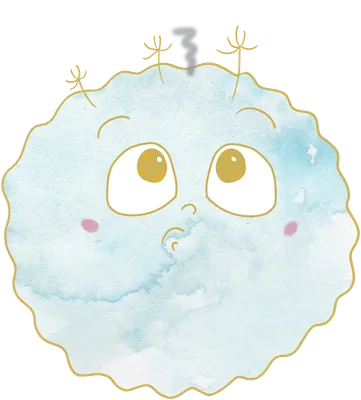
worried
Foo, thinking about the day Fall leaves
In the story: The truth is he had been thinking about this moment for a while, but today he couldn’t take it anymore.
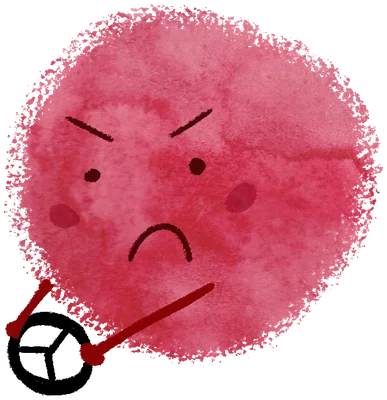
angry
The book's own picture of anger
In the story: Foo spoke in a very hurtful way.
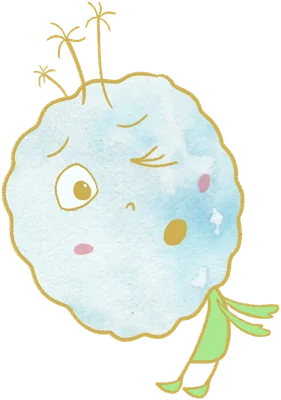
disappointed
Foo, after he yells at his dog
In the story: Foo was feeling disappointed in himself.
puzzled
Foo, wondering what to do next
In the story: “So, what should I do now?” he wondered.
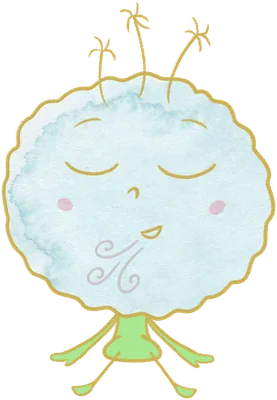
calm
Foo, after a few deep breaths
In the story: In a way, he felt calm again.
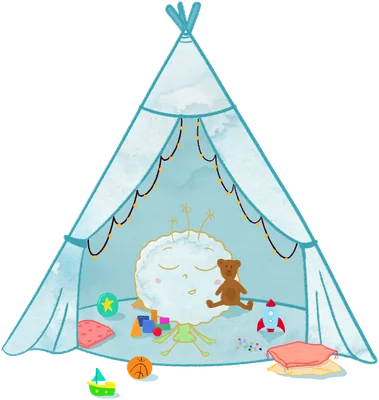
safe
Foo, in his tent among his toys

happy
Foo, with his friends at the end
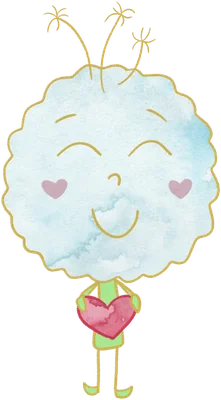
loved
Foo, holding a heart, thinking of Fall
The book says it best
All we feel and experience is important and everything is needed!
Foo's friend Fall tells him so, and Foo finds out it's true. That's why there is no wrong face to point to. Sad and angry belong on the chart as much as happy does.
A feelings thermometer
How big is my cloud?
In the book, Foo's big feeling is a big, dark cloud in his mind. So our feelings thermometer is five clouds, from a little white one to Foo's storm cloud. It works as an anger thermometer, and just as well for worry, sadness or even wild excitement: any feeling can get big.

Cloud 1
A little white cloud
“I feel OK.”
What helps: Keep playing!

Cloud 2
A small gray cloud
“Something bugs me a little.”
What helps: Say what it is.

Cloud 3
A bigger cloud
“My feeling is getting big.”
What helps: Take a slow breath.

Cloud 4
A dark cloud
“It is hard to think.”
What helps: Pick a calm-down idea.

Cloud 5
Foo's big dark cloud
“My feeling is HUGE.”
What helps: Breathe, and find a grown-up.
No cloud is a bad cloud, and there are no colors to sort feelings into. A big cloud only means it's time to calm down first and talk later. For cloud 4 or 5, try a slow breath with Foo. The cloud meter is one of the free sheets: hang it next to the chart.
Feelings in the body
Where does Foo feel it?
Feelings don't only live in our heads. Hiding in his tent, Foo thinks about what his big feeling does to him:
He thought… “only these toys understand me and do not get angry when I speak loudly, or when I sweat a lot from my anxiety. Neither when I cry. Nor when I suddenly get lost in my thoughts, or when I want to hide and not talk to anyone…”
Ask your child, “Where do you feel it?” and point to your own tummy, hands or face to show what you mean. Every body is different, so there is no right place.
A loud voice
Does your voice come out big and loud? Some children feel it in the throat or the chest.
Sweating
Do your hands or your face get hot and sweaty?
Crying
Do your eyes fill up with tears? Crying is OK. It's one way a feeling comes out.
Lost in your thoughts
Does your head feel so full that it's hard to listen or think?
Wanting to hide
Do you want to curl up, hide, and not talk to anyone? Foo went to his tent.
How to use the chart
Two small check-ins: at bedtime, and in a story
A bedtime check-in
- Keep the chart near the bed, or the “I feel...” cards on the nightstand.
- Ask: “Which face was your day? Was there more than one?”
- Point to your own face too, and say why: “I was worried this morning, and happy at the park.”
- Listen, and say it back. Nothing needs fixing tonight.
A story check-in: how does Foo feel here?
Stop on a page and ask: “How does Foo feel here? How can you tell? Have you ever felt like that?” It works with any picture book, and it's the best backed idea on this page. The American Academy of Pediatrics suggests bedtime stories as a way into talking about emotions, and in a nursery school study of 68 toddlers, the ones who talked about the feelings in stories grew more in understanding emotions than the ones who talked about the things and actions in them.
How do you feel right now?
Point to the face that looks like your feeling. There are no wrong answers.
Your face will show here. Grown-ups: say it back, simply, and listen. Nothing you pick is saved or sent anywhere.
What the research says
Why naming feelings is worth it
Naming feelings, and talking about them in stories (see the story check-in above), are among the best backed things a grown-up can do. Where a study was small, we say so.
Naming a feeling helps a child feel understood. Zero to Three suggests saying the feeling out loud, simply, and staying close. Pediatricians at the American Academy of Pediatrics describe the same steps as emotion coaching: notice the feeling, name it, acknowledge it.
Zero to Three, 2025; Zero to Three on tantrums; HealthyChildren.org, 2024
Feeling words are linked with how children do later. In a small study of 72 children, those who knew more about feelings at 5 got along better with others and did better at school at 9. Linked with, not caused by: it was one small group.
Children learn to calm down through us. Harvard's Center on the Developing Child says we aren't born with the skills to manage our feelings and actions, only the potential to build them, through time with others and practice. The Child Mind Institute suggests showing children how you cope yourself.
Harvard Center on the Developing Child; Child Mind Institute, 2026
For grown-ups
When to ask for help
If big feelings often end in someone getting hurt, last for weeks, or keep your child from school or play, talk to your pediatrician, family doctor or school counselor. These ideas are for everyday feelings and don't replace care.
If your child sees a therapist for sensory or other needs, their therapist can help you adapt these.
From HealthyChildren.org (American Academy of Pediatrics): temper tantrums; aggressive behavior
Questions
Grown-ups ask
How do I teach my child about feelings?
Say feelings out loud as they happen, yours included: “I'm cross because we're late.” Stories help too: stop on a page and ask how the character feels, and how they can tell (the American Academy of Pediatrics suggests bedtime stories for this). And give your child a face to point to when the word won't come, which is what a feelings chart is for.
Is it normal for a 4-year-old to be so emotional?
For most children, yes. The American Academy of Pediatrics says tantrums happen most between ages 1 and 3. Finding the words for a feeling, and calming it down, comes slowly, with practice and with us. If big feelings often end in someone getting hurt, last for weeks, or keep your child from school or play, talk to your pediatrician: see When to ask for help.
What are feelings faces?
Pictures of faces that each show one feeling, so a child who can't find the word can point instead. Ours are Foo's own faces from the book Foo's Big Emotions, and children who know the story know what each face went through.
What is a feelings check-in?
A small moment, once a day, when your child points to or says how they feel. At home, bedtime works well. In a classroom, many teachers do it in the morning. There is no right answer and nothing to fix: you listen, and say it back.
What is a feelings thermometer?
A scale for how big a feeling is, not which feeling it is. Ours is five clouds, from a little white cloud to Foo's big dark one. It works as an anger thermometer too, and for worry or sadness. A small cloud can be talked about; a big one needs a calm-down first.
Is there a feelings wheel for kids?
The feelings wheels most people know were made for grown-ups and hold dozens of words. For little ones we made a simple one with eight of Foo's faces and an arrow to turn. It's free to print with the other sheets on this page. It's new, so we're still learning how families use it.
When should I worry about my child's anger?
Anger is a normal feeling, and it's on the chart for a reason. Talk to your pediatrician, family doctor or school counselor if angry outbursts often end in someone getting hurt, last for weeks, or keep your child from school or play. The American Academy of Pediatrics says to check with your pediatrician when a child seems unusually aggressive for longer than a few weeks. More in When to ask for help.
My child points to worried a lot. What can I do?
Thank them for telling you, and ask what the worry is about, without rushing to fix it. A slow breath together or a safe person close by can help some children feel calmer. Our breathing exercises are a gentle start. If worries last for weeks, or keep your child from school or play, please talk to your pediatrician or school counselor: see When to ask for help.
More calm-down pages
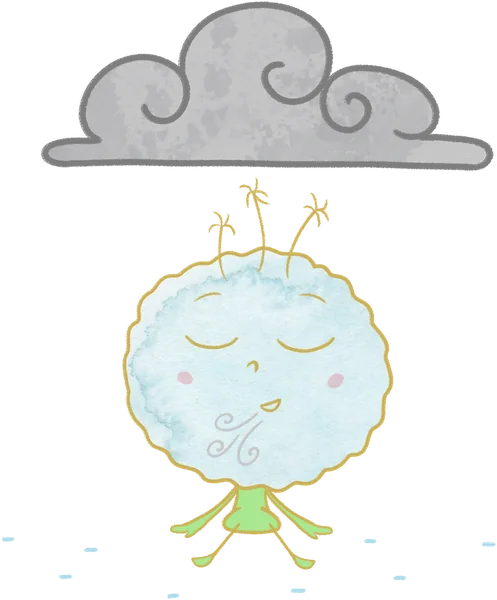 Calm-down ideas for kids16 ideas from Foo and his friends, from bubble breaths to a cozy tent, with free cards to print.
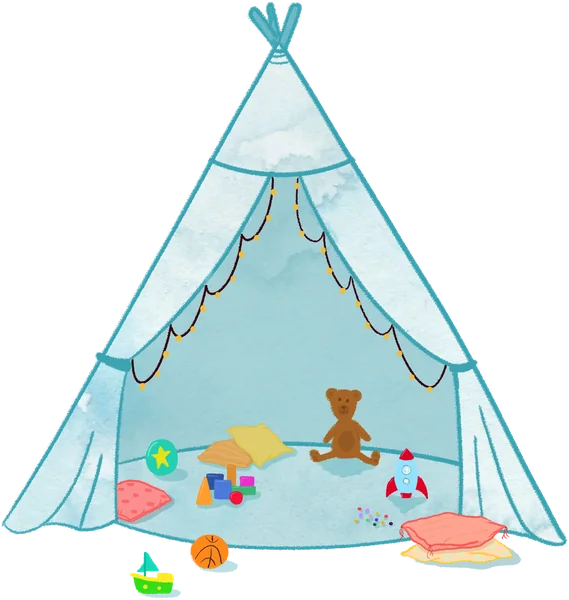 Make a calm-down cornerA cozy place like Foo's tent, at home or in a classroom, with a free kit to print.
- Breathing exercises for kidsBreathe along with Foo, and eight calm breaths to try, each one 4 counts in and 6 counts out.
Free tonight
Tonight: a calm night with Foo
Foo's 7 Calm Nights are short calm-downs for bedtime, about two minutes each, with a gentle voice and a slow picture on a phone or tablet. Night one is free and opens right away. If your child likes it, we can email you the other six, one a night.
Open night oneMeet the book
Foo's Big Emotions
Our picture book · coming soon
Foo's friend Fall is leaving, and Foo is sad. A big, dark cloud fills his mind. Without meaning to, he hurts his friends, his dog and his sister, and then he hides in his tent.
There, with a few deep breaths, he finds his way back to calm. The next day he makes things right, and his friends show him how they calm down.
Foo and his friends on these pages all come from it. The book isn't out yet, but you can meet Foo tonight: night one of Foo's 7 Calm Nights is free.