








Free cards to print · ages 3 to 8

Calm-down ideas for kids with big feelings

All feelings are important. Here are 16 ways to help the big ones pass, from Foo and his friends.

Almost every idea comes from our picture book Foo's Big Emotions, where a big, dark cloud fills Foo's mind and he finds his way back to calm. Every idea has a free card to print, and some have a little game to try with Foo on a phone or tablet.

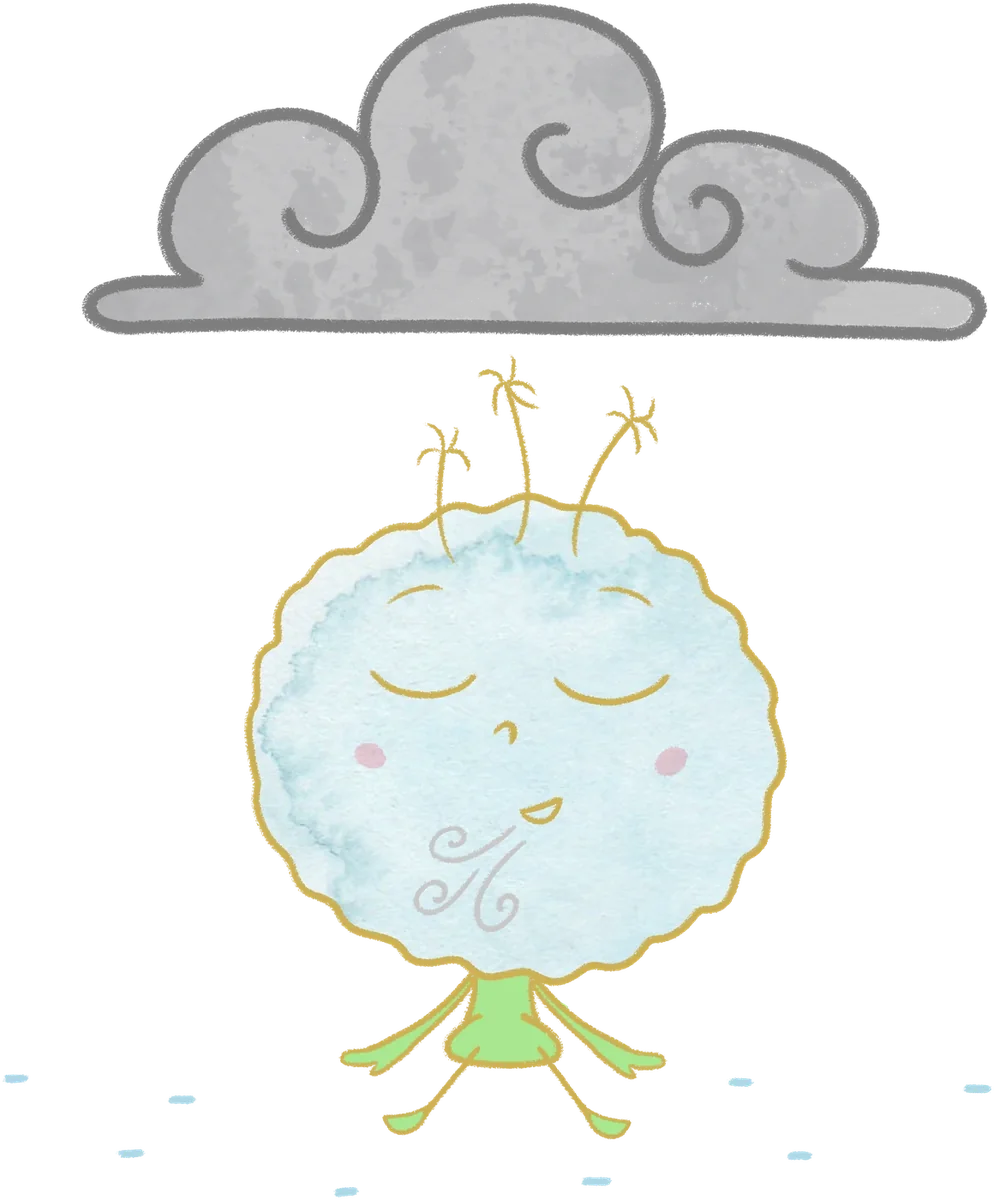
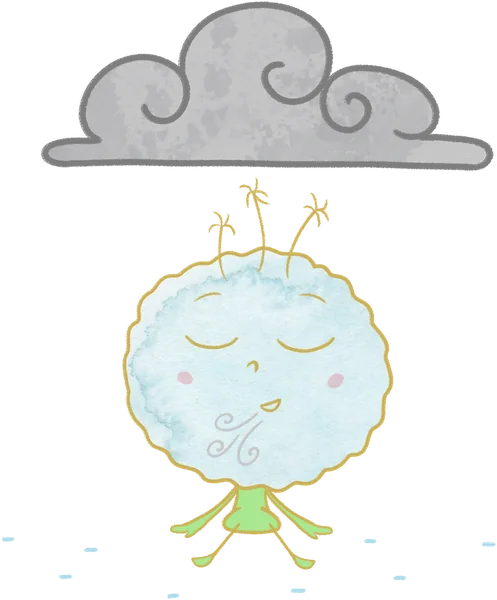
Foo, the fluffy blue character from Foo's Big Emotions, breathing slowly with his eyes closed under a big dark cloud, while the rain falls on the ground.

Before the ideas

It's OK to feel everything

In our post Can I feel blue? Mindful... stories... we wrote it in capitals:

IT’S OK TO FEEL EVERYTHING. ALL EMOTIONS ARE IMPORTANT.

So calming down means helping a big feeling pass without anyone getting hurt, with a grown-up nearby while a child learns how. Sad, cross and worried all count, and none of them has to be chased away.

The book says it too

All we feel and experience is important and everything is needed!

Foo learns this the hard way. He's sad that his friend Fall is leaving, and without meaning to he argues with his friends, yells at his dog and fights with his sister. Then he hides in his tent, and that's where he finds his calm again.

The quick answer

How to help a child calm down

When a big feeling hits, try these four steps, in this order.

  1. Stay close and calm

    Sit nearby and keep your own voice low and slow. Your calm helps your child find theirs: Zero to Three calls this co-regulation.

  2. Name the feeling

    Say what you see, simply: “You look really sad.” “That was scary. I’m here.” Naming it helps your child feel understood.

  3. Help the body calm down

    A slow breath out, a squeeze, a jump, a song. The 16 ideas below are all ways to do this, so pick one together.

  4. Talk and make up later

    When the storm has passed, talk about what happened and, if someone got hurt, how to make it right. Foo does just that in the book.

Sources: Zero to Three; Child Mind Institute; Raising Children Network

Print · free, no sign-up

Free calm-down cards and sheets

Here are the 16 ideas as cards, a menu poster and the three activities from the book. Every sheet comes in US Letter and A4, in color and in black and white, and you don't need an email or an account.

Have the book? The activities from its last pages are here: Let's take a break, the word swap and Let it go, each on a sheet of its own.

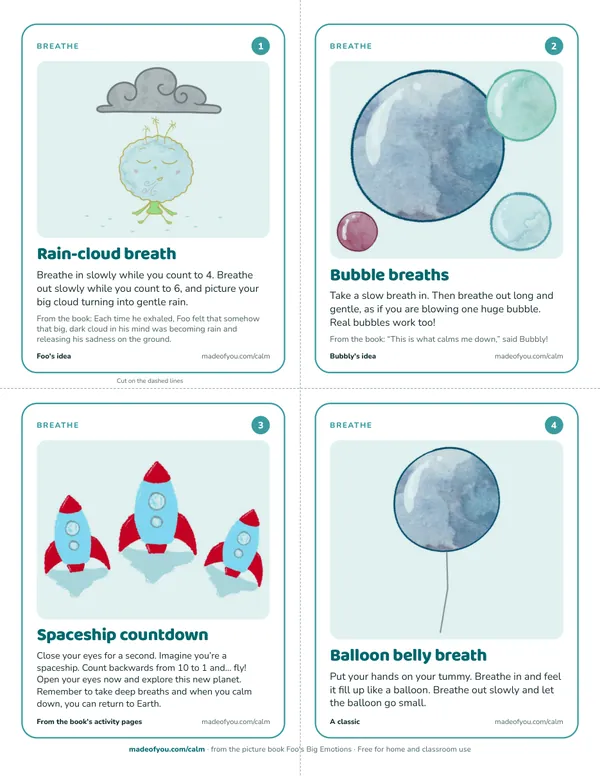
  • Calm-down cards

    The 16 ideas of Foo and his friends, four to a page, with two blank cards for your child's own ideas. Cut on the dashed lines.

    5 pages · PDF

    ColorUS LetterA4

    Black and whiteUS LetterA4

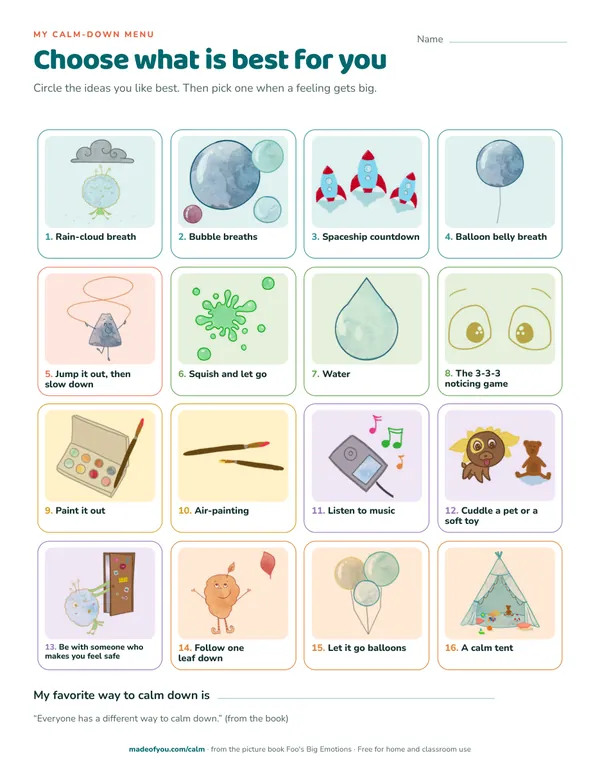
  • Calm-down menu poster

    All 16 ideas on one page, under the book's own title: Choose what is best for you. Your child circles the favorites.

    1 page · PDF

    ColorUS LetterA4

    Black and whiteUS LetterA4

  • Let's take a break

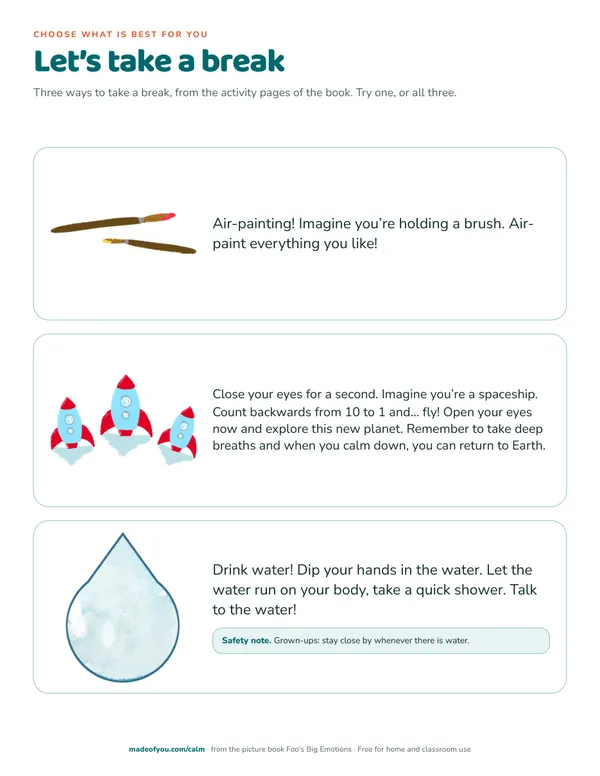
    Air-painting, the spaceship countdown and water: the three break ideas from the book's activity pages.

    1 page · PDF
    ColorUS LetterA4

    Black and whiteUS LetterA4

  • The word swap

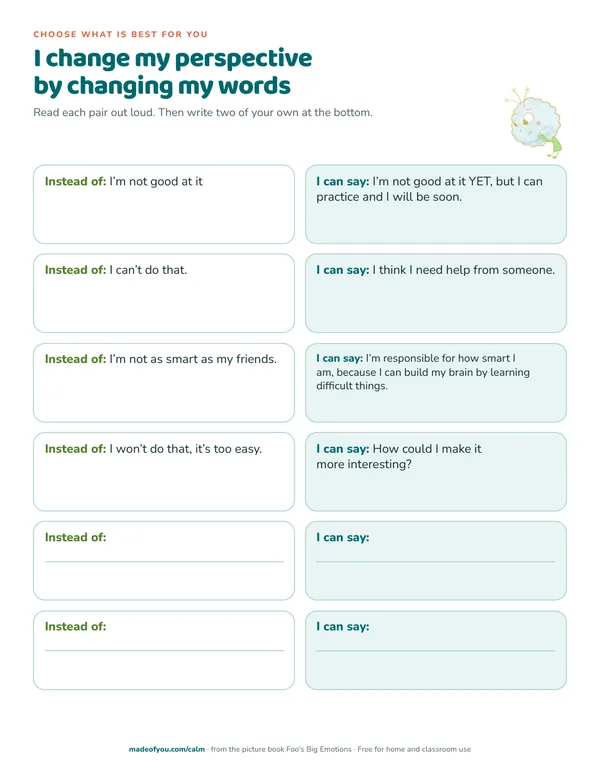
    The book's four "Instead of... I can say..." pairs, and two empty rows for your own.

    1 page · PDF

    ColorUS LetterA4

    Black and whiteUS LetterA4

  • Let it go balloons

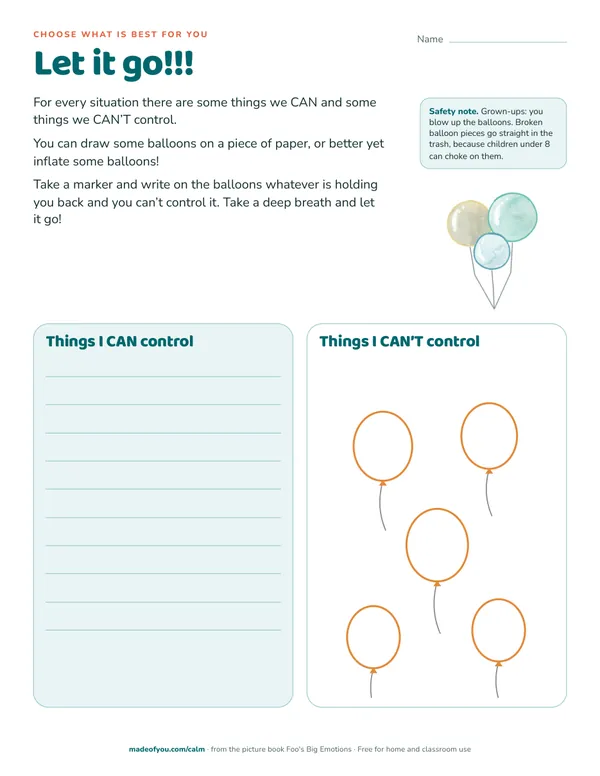
    Things we CAN and CAN'T control: write the can't-control things on the balloons, breathe, and let them go.

    1 page · PDF

    ColorUS LetterA4

    Black and whiteUS LetterA4

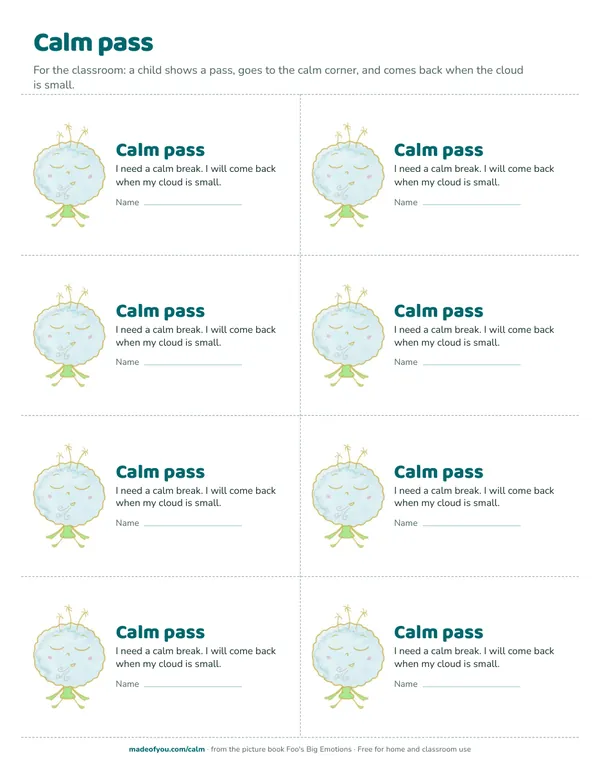
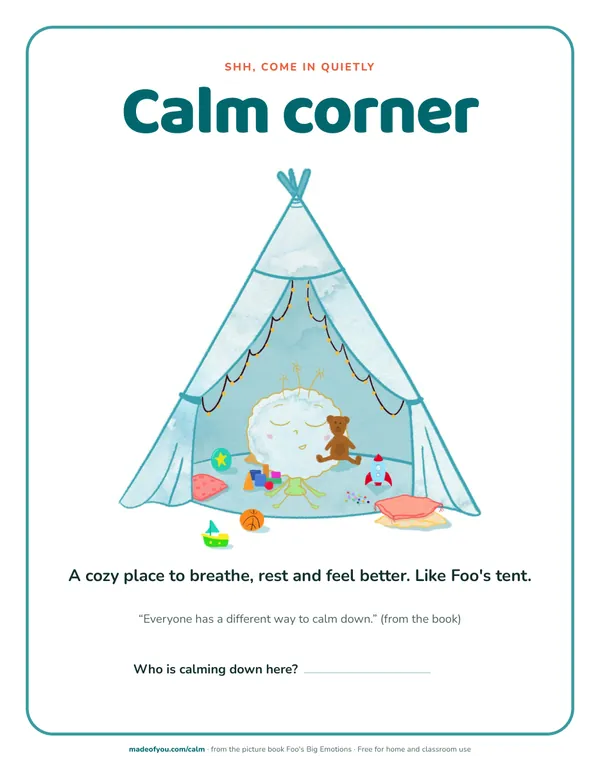
Every other free sheet (9)Calm corner door sign, Feelings chart, Breathing cards, Calm pass and more

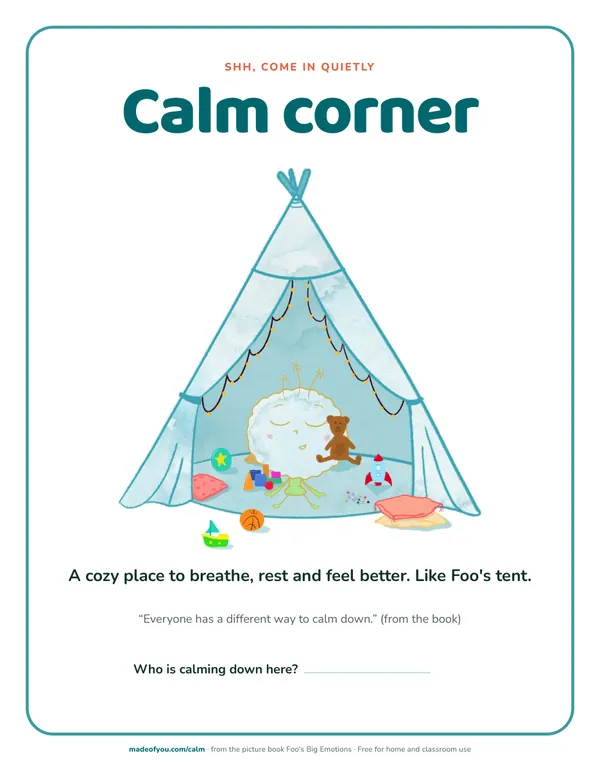
For a calm-down corner (see the page)

Feelings sheets (see the page)

Breathing cards (see the page)

Free for home and classroom use. To pass them on, please share the link to this page and not the file.

16 ideas · ages 3 to 8

16 calm-down ideas from Foo and his friends

Most ideas belong to someone in the book, so your child has a friend to copy instead of one more instruction. Try them on a calm day first, then pick two or three favorites for the hard moments.

Breathe

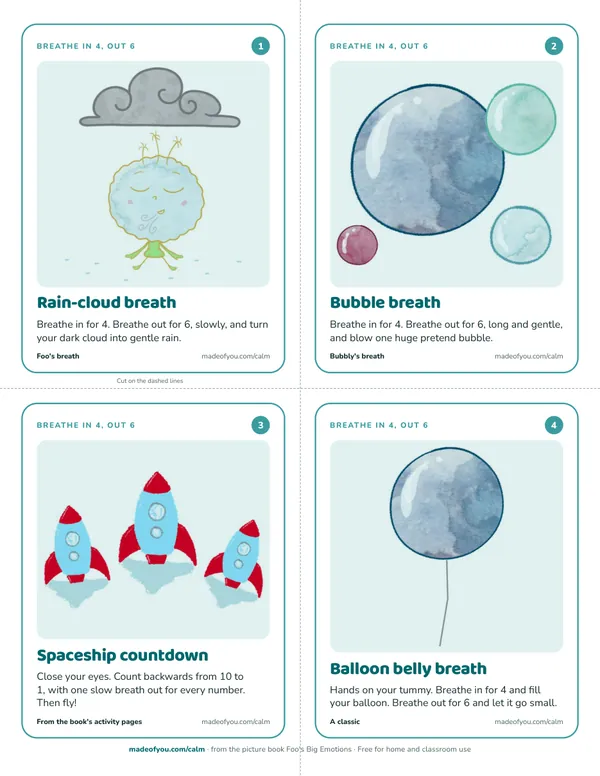
A slow breath out is one of the simplest calm-downs there is. Every breath here is 4 counts in and 6 counts out, and nobody holds their breath. More on our breathing exercises page.

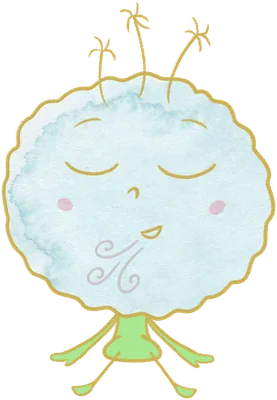
  • Foo, the fluffy blue character from Foo's Big Emotions, breathing slowly under a big dark cloud.

    1. Foo's idea

    Rain-cloud breath

    Breathe in slowly while you count to 4. Breathe out slowly while you count to 6, and picture your big cloud turning into gentle rain.

    In the story: Each time he exhaled, Foo felt that somehow that big, dark cloud in his mind was becoming rain and releasing his sadness on the ground.

    Try it with Fooin Breathe with Foo, on a phone or tablet
  • Bubbly's soap bubbles from Foo's Big Emotions, big and small, in soft watercolor.

    2. Bubbly's idea

    Bubble breaths

    Take a slow breath in. Then breathe out long and gentle, as if you are blowing one huge bubble. Real bubbles work too!

    In the story: “This is what calms me down,” said Bubbly!

    Try it with Fooin the Calm Crew, on a phone or tablet
  • Three little red and blue rockets from the activity pages of Foo's Big Emotions.

    3. From the book's activity pages

    Spaceship countdown

    In the book's words
    Close your eyes for a second. Imagine you’re a spaceship. Count backwards from 10 to 1 and… fly! Open your eyes now and explore this new planet. Remember to take deep breaths and when you calm down, you can return to Earth.
  • One round watercolor balloon on a string, from Foo's Big Emotions.

    4. A classic

    Balloon belly breath

    Put your hands on your tummy. Breathe in and feel it fill up like a balloon. Breathe out slowly and let the balloon go small.

    Where it comes from: Child Mind Institute

Move

Some feelings need to move before they can settle. Blue jumps rope.

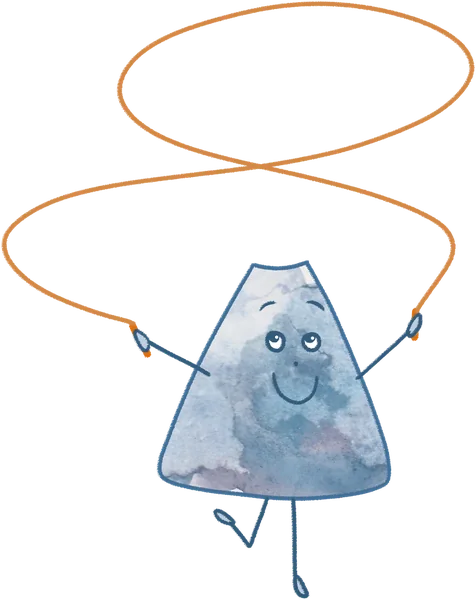
  • Blue from Foo's Big Emotions, a smiling triangle with a jump rope, jumping in the snow.

    5. Blue's idea

    Jump it out, then slow down

    Jump rope like Blue, or hop on the spot. Then slow down, slower, slower, until you stop and take one big breath.

    In the story: This is what calms me down!

    Try it with Fooin the Calm Crew, on a phone or tablet

Senses

Here the hands, the skin, the eyes and the ears do the calming.

  • Gooey's green slime from Foo's Big Emotions, splashed in watercolor.

    6. Gooey's idea

    Squish and let go

    Squeeze something soft as hard as you can while you count to 5. Then let go, and feel your hands go floppy.

    Safety note. Playdough, clay or a soft stress ball are just right for squishing. We leave out homemade slime recipes on purpose.

    In the story: Gooey burst the soap bubble with his new, green slime!

    Try it with Fooin the Calm Crew, on a phone or tablet
  • A big blue watercolor drop of water.

    7. From the book's activity pages

    Water

    In the book's words
    Drink water! Dip your hands in the water. Let the water run on your body, take a quick shower. Talk to the water!

    Safety note. Grown-ups: stay close by whenever there is water.

  • Foo's big round eyes from Foo's Big Emotions, looking at everything.

    8. A classic

    The 3-3-3 noticing game

    Look around and find 3 things you can see. Listen for 3 sounds. Then wiggle 3 parts of your body.

    Where it comes from: Rethink Mental Illness

Create

A feeling can come out on paper, or in big strokes of a pretend brush in the air.

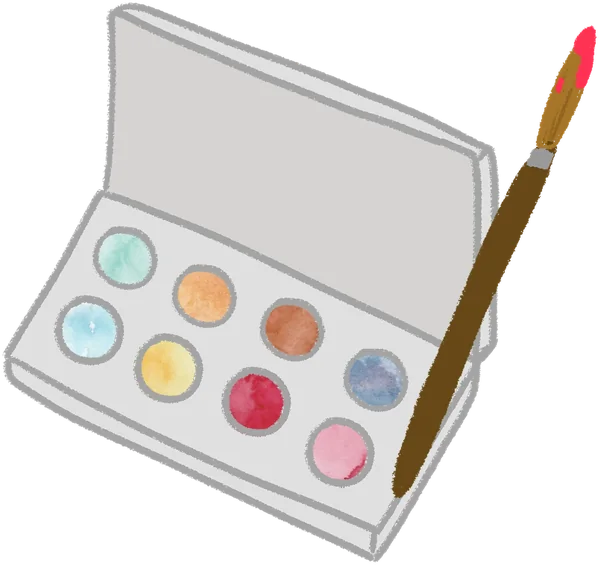
  • Flo's paint box and brush from Foo's Big Emotions.

    9. Flo's idea

    Paint it out

    Paint or scribble how you feel, in any colors you like. Big feelings can make big pictures. Nobody has to see it.

    In the story: Flo showed her hands that are always painted.

    Try it with Fooin the Calm Crew, on a phone or tablet
  • Two paintbrushes from the activity pages of Foo's Big Emotions.

    10. From the book's activity pages

    Air-painting

    In the book's words
    Air-painting! Imagine you’re holding a brush. Air-paint everything you like!
    Try it with Fooin the Calm Crew, on a phone or tablet

Listen and cuddle

When your child needs company more than a game, try a song, a soft friend or a safe person.

  • Muse's little music player from Foo's Big Emotions, with music notes floating up.

    11. Muse's idea

    Listen to music

    Put on a song that feels calm to you. Listen all the way to the end, and let your breathing slow down with it.

    In the story: While Muse was holding this little device, he always carries with him, to listen to music!

    Try it with Fooin the Calm Crew, on a phone or tablet
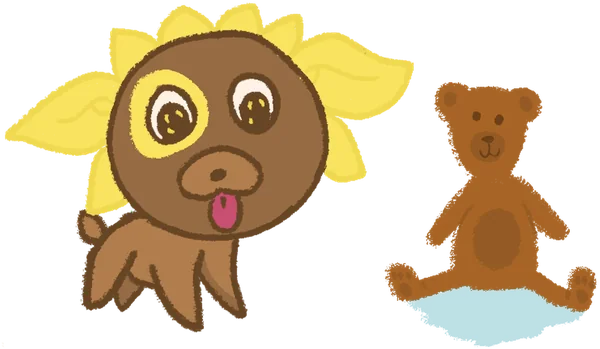
  • Foo's little brown dog with yellow ears and a brown teddy bear, from Foo's Big Emotions.

    12. Foo's idea, with his dog

    Cuddle a pet or a soft toy

    Give your pet a gentle cuddle, or hug your softest toy. You can tell it how you feel.

    In the story: After all, this always calms him down.

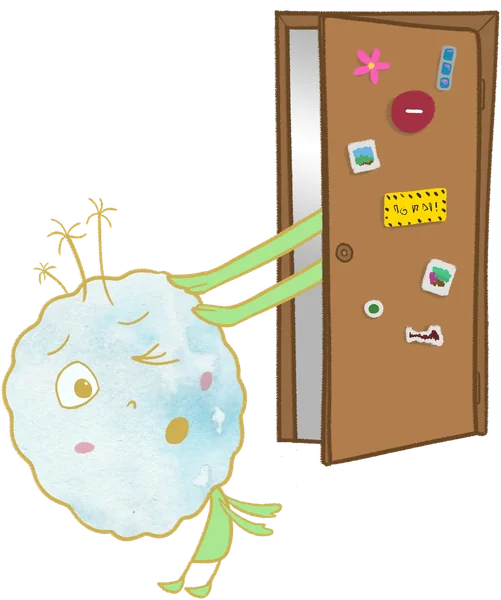
  • Foo, the fluffy blue character from Foo's Big Emotions, at his older sister's door, her arms reaching out to him.

    13. Foo's idea, with his sister

    Be with someone who makes you feel safe

    Sit close to someone who makes you feel safe. You don't have to talk until you want to.

    In the story: Being with her always makes him feel safe.

Let it go

Some worries are easier to let go of when you can watch them float away, like a leaf or a balloon. And sometimes a child just needs a cozy place to hide for a while. Here's how to make a calm-down corner like Foo's tent.

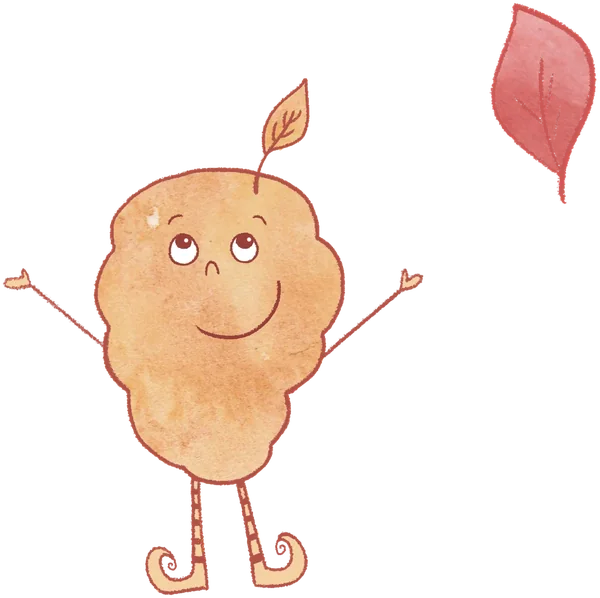
  • Fall from Foo's Big Emotions, a smiling orange leaf friend, waving next to a falling red leaf.

    14. Fall's idea

    Follow one leaf down

    Pick one leaf, real or pretend, and watch it float all the way down. Breathe out slowly while it falls.

    In the story: He even brought his buddies with him, the leaves!!!

    Try it with Fooin Leaves in your room, on a phone or tablet
  • Three watercolor balloons on strings, from Foo's Big Emotions.

    15. From the book's activity pages

    Let it go balloons

    In the book's words
    Take a marker and write on the balloons whatever is holding you back and you can’t control it. Take a deep breath and let it go!

    Safety note. Grown-ups: you blow up the balloons. Broken balloon pieces go straight in the trash, because children under 8 can choke on them. Source: CPSC

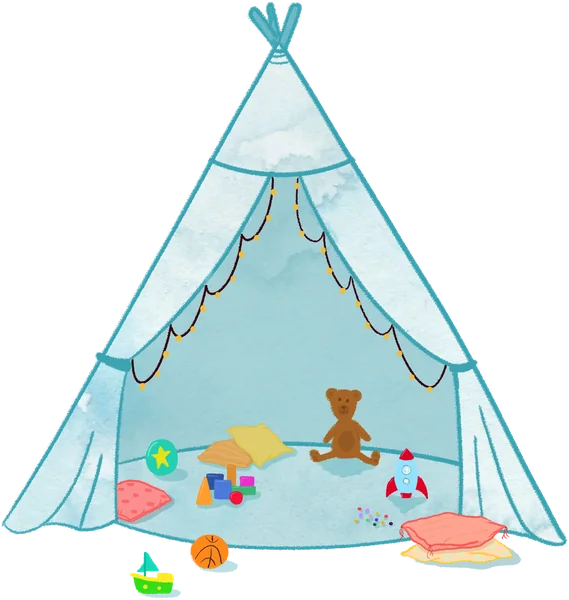
  • Foo's light blue tent from Foo's Big Emotions, full of pillows and toys.

    16. Foo's idea

    A calm tent

    Make a cozy hideout with a blanket, pillows and your favorite toys. Go there whenever you need a quiet moment.

    In the story: All his toys were there.

The book's last page

Everyone has a different way to calm down.

That's how the book ends, and it's the whole idea of this page. One child jumps, another needs a hug, another wants five quiet minutes in a tent. The menu poster puts all 16 ideas on one page, under the book's own title, Choose what is best for you, and your child circles their favorites.

  • Calm-down menu poster

    All 16 ideas on one page, under the book's own title: Choose what is best for you. Your child circles the favorites.

    1 page · PDF

    ColorUS LetterA4

    Black and whiteUS LetterA4

Make your child's own calm plan with Foo's friends

In the Calm Crew, your child tries the way each friend calms down: jump with Blue, blow bubbles with Bubbly, squish with Gooey, paint with Flo and listen with Muse, about thirty seconds each. Then they pick a favorite and print their own calm plan, with eight cards to cut out. It plays on a phone or tablet, with nothing to install.

Open the Calm Crew

From the book's activity pages

Three activities from the book to print

At the end of Foo's Big Emotions there are three activities under one title: Choose what is best for you. Here they are, word for word, each on a sheet of its own.

Let’s take a break

Air-painting! Imagine you’re holding a brush. Air-paint everything you like!
Close your eyes for a second. Imagine you’re a spaceship. Count backwards from 10 to 1 and… fly! Open your eyes now and explore this new planet. Remember to take deep breaths and when you calm down, you can return to Earth.
Drink water! Dip your hands in the water. Let the water run on your body, take a quick shower. Talk to the water!

Safety note. Grown-ups: stay close by whenever there is water.

  • Let's take a break

    Air-painting, the spaceship countdown and water: the three break ideas from the book's activity pages.

    1 page · PDF
    ColorUS LetterA4

    Black and whiteUS LetterA4

I change my perspective by changing my words

  • Instead ofI’m not good at it

    I can sayI’m not good at it YET, but I can practice and I will be soon.

  • Instead ofI can’t do that.

    I can sayI think I need help from someone.

  • Instead ofI’m not as smart as my friends.

    I can sayI’m responsible for how smart I am, because I can build my brain by learning difficult things.

  • Instead ofI won’t do that, it’s too easy.

    I can sayHow could I make it more interesting?

A word on “yet”. You may know this as the power of yet, from growth mindset. The studies on it found small effects, so we think of the swap simply as kind words to say to yourself. It's a lovely habit all the same, and the sheet has two empty rows for your child's own.

  • The word swap

    The book's four "Instead of... I can say..." pairs, and two empty rows for your own.

    1 page · PDF

    ColorUS LetterA4

    Black and whiteUS LetterA4

Let it go!!!

For every situation there are some things we CAN and some things we CAN’T control.
You can draw some balloons on a piece of paper, or better yet inflate some balloons!
Take a marker and write on the balloons whatever is holding you back and you can’t control it. Take a deep breath and let it go!

Safety note. Grown-ups: you blow up the balloons. Broken balloon pieces go straight in the trash, because children under 8 can choke on them. Source: CPSC

Drawn balloons work just as well: the sheet has them ready, with room to write on each one.

  • Let it go balloons

    Things we CAN and CAN'T control: write the can't-control things on the balloons, breathe, and let them go.

    1 page · PDF

    ColorUS LetterA4

    Black and whiteUS LetterA4

After the storm

Saying sorry, the way Foo does

Foo's big feelings hurt his friends, his dog and his sister. Once he's calm, he thinks it over, and the next day he makes it right:

In the story
Foo ran to his friends, apologized and explained what had happened.

Even on his saddest day, Foo ends up thankful for his friend Fall and all their adventures together:

In the story
He was really grateful!

Making up, in four small steps

Wait until everyone is calm again.

  1. Say what happened, in a few words. “You were sad that your friend was leaving, and it came out as shouting.”

  2. Think about the other person. “How do you think your sister felt?”

  3. Say sorry, and what you'll try next time. “Sorry I shouted. Next time I'll go to my tent first.”

  4. Do one kind thing. Draw a picture, give a hug or play a game together. Making up can be fun too.

What the research says

Small steps that are well backed

The ideas with the most research behind them are also the simplest ones: naming the feeling, talking about feelings in stories, practicing on calm days and staying close. Where the studies found small effects, we say so, and we only ever say these ideas can help some children feel calmer.

  • Naming a feeling helps a child feel understood. Zero to Three suggests saying the feeling out loud, simply, and staying close. Pediatricians at the American Academy of Pediatrics describe the same steps as emotion coaching: notice the feeling, name it, acknowledge it.

    Zero to Three, 2025; Zero to Three on tantrums; HealthyChildren.org, 2024

  • Stories are a good place to talk about feelings. The American Academy of Pediatrics suggests bedtime stories as a way into talking about emotions. In a nursery school study of 68 toddlers, toddlers who talked about the feelings in stories grew more in understanding emotions, and in helping others, than toddlers who talked about the things and actions in the same stories.

    HealthyChildren.org, 2023; Grazzani and others, 2016

  • Feeling words are linked with how children do later. In a small study of 72 children, those who knew more about feelings at 5 got along better with others and did better at school at 9. Linked with, not caused by: it was one small group.

    Izard and others, 2001

  • Calming down is a skill, and it's learned on calm days. The Child Mind Institute calls calming down a skill that can be taught, and suggests practicing relaxation skills when children are already calm, not in the middle of a storm.

    Child Mind Institute, 2025; relaxation skills

  • Slow belly breathing is a standard tool for children. The Child Mind Institute suggests breathing in slowly and out a little longer while picturing a balloon. Cedars-Sinai teaches belly breathing and five-finger breathing, and Children's Hospital Colorado teaches smelling the flower and blowing out the candles.

    Child Mind Institute; Cedars-Sinai, 2023; Children's Hospital Colorado

  • Children learn to calm down through us. Harvard's Center on the Developing Child says we aren't born with the skills to manage our feelings and actions, only the potential to build them, through time with others and practice. The Child Mind Institute suggests showing children how you cope yourself.

    Harvard Center on the Developing Child; Child Mind Institute, 2026

  • Mindfulness can help some children feel calmer. The effects are small. A review of 33 trials with 3,666 young people found small effects when mindfulness was compared with other activities. So we say these ideas can help some children feel calmer, and nothing stronger.

    Dunning and others, 2019

For grown-ups

When to ask for help

If big feelings often end in someone getting hurt, last for weeks, or keep your child from school or play, talk to your pediatrician, family doctor or school counselor. These ideas are for everyday feelings and don't replace care.

If your child sees a therapist for sensory or other needs, their therapist can help you adapt these.

From HealthyChildren.org (American Academy of Pediatrics): temper tantrums; aggressive behavior

Questions

Grown-ups ask

How do I help my child calm down in the moment?

Stay close and keep your own voice low and slow. Name what you see: “You're really angry.” Then help the body calm down: one slow breath out together, a squeeze, a jump, a song. Save the talking for later, when the storm has passed. The four steps at the top say more.

What is the 3-3-3 rule for kids?

It's a noticing game: find 3 things you can see, listen for 3 sounds, and move 3 parts of your body. The rule comes from Rethink Mental Illness, a UK charity. With young children we play it as a game, and it's idea 8 on this page.

What's the easiest breathing exercise for a 4-year-old?

Bubbles. Blowing real soap bubbles makes a long, gentle breath out with no explaining at all. Without bubbles, try the rain-cloud breath: in for 4, out for 6, slowly. A few breaths are plenty, and nobody needs to hold their breath. There are eight more on our breathing exercises page.

Is it normal for a 4-year-old to have such big feelings?

Very often, yes. Tantrums happen most between ages 1 and 3, says the American Academy of Pediatrics, and calming down is a skill children build slowly, with practice and with us. If the feelings often end in someone getting hurt, last for weeks, or keep your child from school or play, talk to your pediatrician: see When to ask for help.

How do I teach my child about feelings?

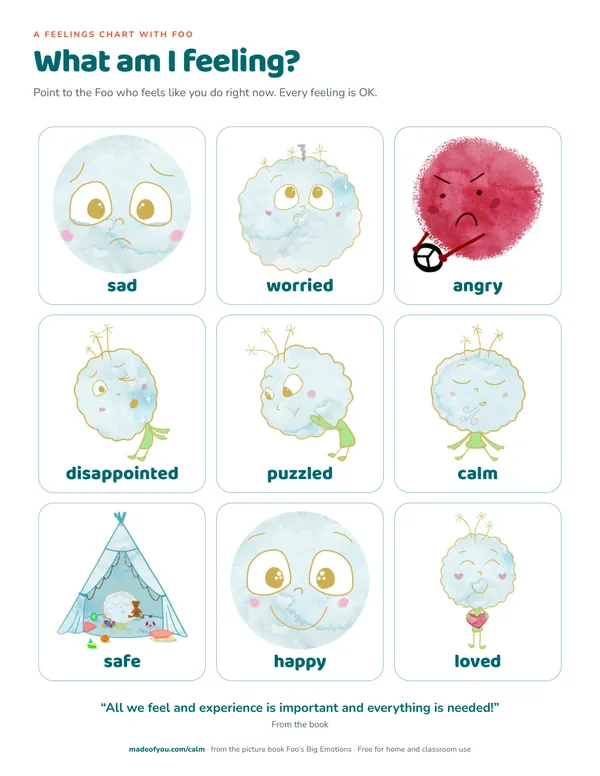
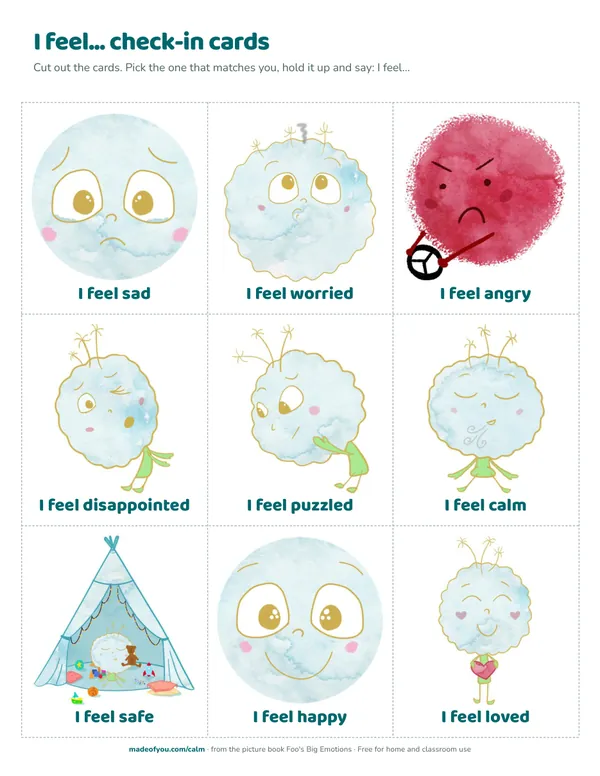
Name feelings out loud in everyday moments, your own too: “I'm cross because we're late.” And use stories. Stop on a page and ask how the character feels, and how they can tell. In Foo's Big Emotions, Foo's face changes from page to page, so the question comes easily. Our feelings chart has nine of his faces to print.

What does "the power of yet" mean for kids?

It's the idea that “I can't do it” becomes “I can't do it yet”. The book's word swap says it like this: I’m not good at it YET, but I can practice and I will be soon. The studies on growth mindset found small effects. We still like the habit: it's a kind way to talk to yourself when something is hard.

At what age can kids use calm-down cards?

From about 3, with a grown-up: pick a card and do it together. As your child grows, let them choose more on their own. The cards are made for ages 3 to 8, and the two blank cards are for ideas your child makes up.

When should I worry about my child's anger?

Anger is a normal feeling: Blue in the book feels like a blue volcano, ready to erupt. Talk to your pediatrician, family doctor or school counselor if angry outbursts often end in someone getting hurt, last for weeks, or keep your child from school or play. The American Academy of Pediatrics says to check with your pediatrician when a child seems unusually aggressive for longer than a few weeks. More in When to ask for help.

My child worries a lot. Can these ideas help?

Some of them can help a child feel calmer in the moment: a slow breath, a safe person, or the Let it go balloons for the things they can't control. If worries last for weeks, or keep your child from school or play, please talk to your pediatrician or school counselor: see When to ask for help.

Are the calm-down cards really free?

Yes. Every card and sheet on this page is free for home and classroom use, with no sign-up and no email. Each one comes in US Letter and A4, in color and in black and white. To share them, please share the link to this page, not the file.

More calm-down pages

Free tonight

Tonight: a calm night with Foo

Foo's 7 Calm Nights are short calm-downs for bedtime, about two minutes each, with a gentle voice and a slow picture on a phone or tablet. Night one is free and opens right away. If your child likes it, we can email you the other six, one a night.

Open night one
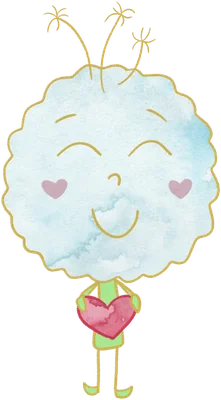
Foo from Foo's Big Emotions, smiling with his eyes closed and holding a big red heart.

Meet the book

Foo's Big Emotions

Our picture book · coming soon

Foo's friend Fall is leaving, and Foo is sad. A big, dark cloud fills his mind. Without meaning to, he hurts his friends, his dog and his sister, and then he hides in his tent.

There, with a few deep breaths, he finds his way back to calm. The next day he makes things right, and his friends show him how they calm down.

Foo and his friends on these pages all come from it. The book isn't out yet, but you can meet Foo tonight: night one of Foo's 7 Calm Nights is free.

Try night one tonight