Free printables · ages 4 to 8
Gratitude for kids
Noticing the good things, and the people behind them. Here's how to help a child find it, with Fall from our book.
In our picture book Finding Gratitude, Fall keeps a notebook where he colors the moments he felt grateful. This page has the book's four activities, a short guide for grown-ups, 30 days of thanks for November and every free sheet, from a gratitude jar label to thank you notes.
Print · free, no sign-up
Free gratitude printables
A gratitude jar label, thank you notes to fill in, 30 days of thanks and a thankful board like Fall's. Every sheet comes in US Letter and A4, in color and in black and white, and you don't need an email or an account.
Have the book? The jar label and the thank you notes are the ones its last pages promise. The four activities are just below.
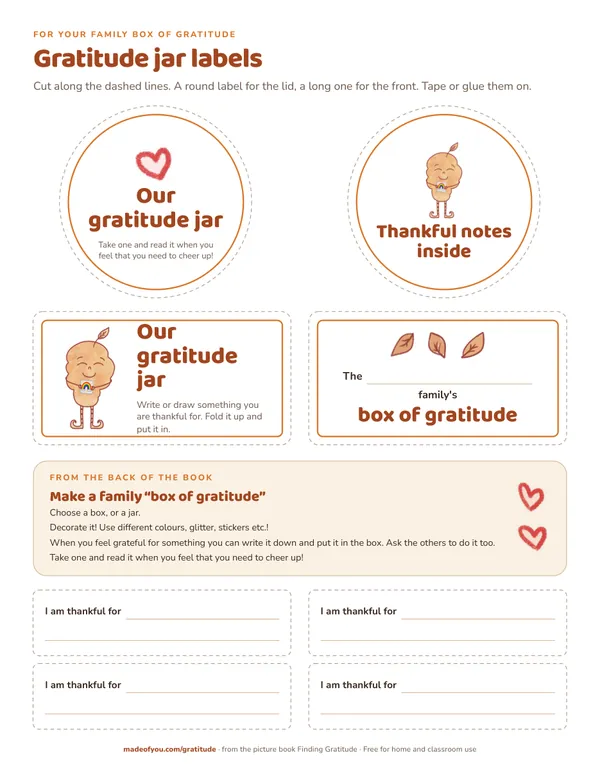
Gratitude jar labels
Two round labels for the lid, two for the front, the book's box of gratitude in Katia's words and four slips to start the jar.
Ages 4 to 8 · 1 page · PDF
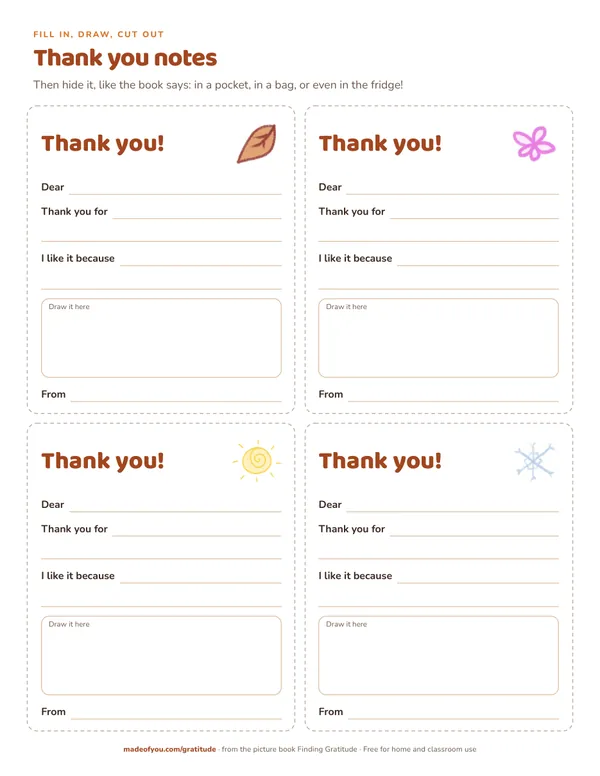
Thank you notes
Four notes to a page: who it's for, what for and why, a box to draw in and a line to sign. Then hide it, like the book says.
Ages 4 to 8 · 1 page · PDF
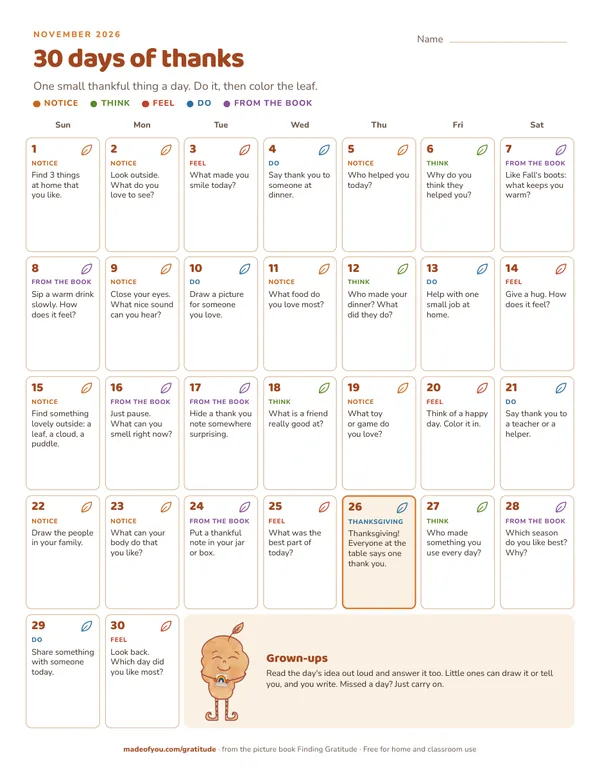
30 days of thanks: November 2026
A calendar for November, one small thankful thing a day, with Thanksgiving on Thursday the 26th. Color a leaf for each day.
Ages 4 to 8 · 1 page · PDF
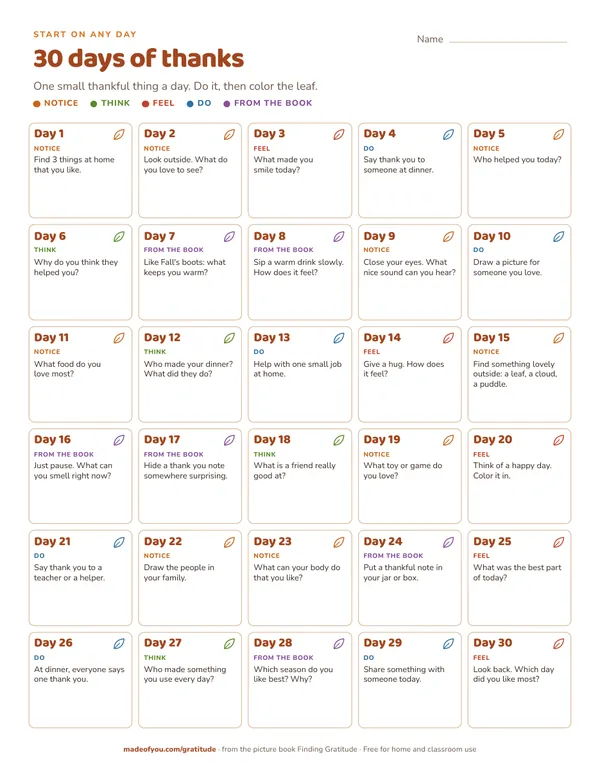
30 days of thanks: any month
The same 30 ideas as Day 1 to Day 30, to start on any day of the year.
Ages 4 to 8 · 1 page · PDF
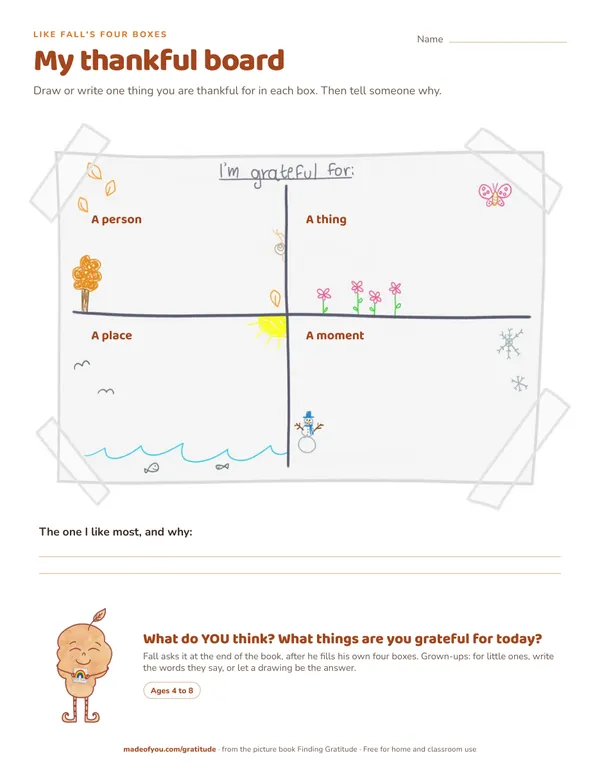
My thankful board
Fall's four boxes from the book: a person, a thing, a place and a moment to draw or write, and the one your child likes most.
Ages 4 to 8 · 1 page · PDF
Free for home and classroom use. To pass them on, please share the link to this page and not the file.

Free printable pack · ages 4 to 8
Every gratitude printable, in one free pack
The jar labels and thank you notes our book promises, the thankful tree, worksheets, a journal, 18 coloring pages and the four seasons. 94 pages in color and black and white in one PDF, with a contents page, so you print only what you need.
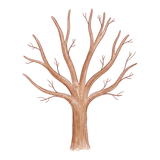 A thankful tree, with leaves to hang
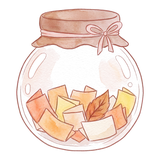 Jar labels and 60 jar prompts
 Thank you notes and cards to give
 A 7 day journal, like Fall's notebook
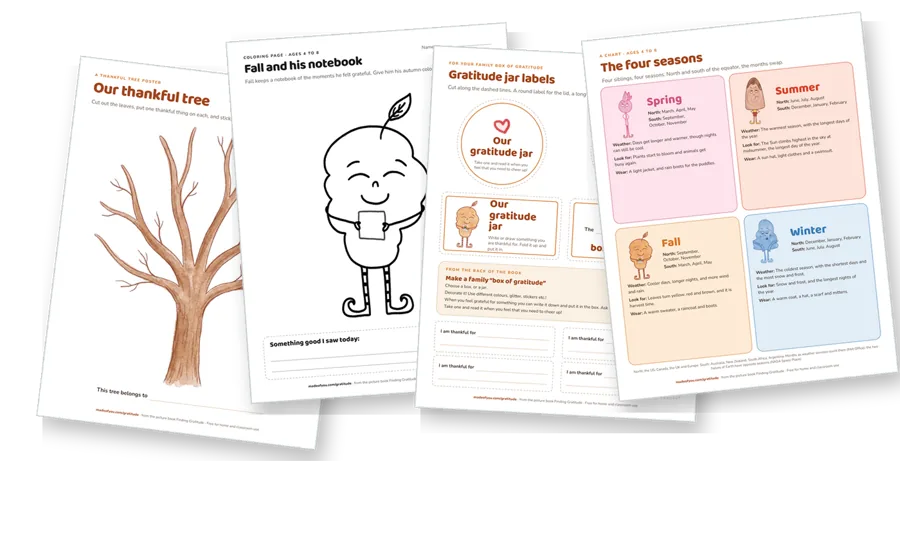 94 pages · 1 PDF
Get the pack, free
We email you the links, in US Letter and A4. Every sheet stays free to print one by one on our gratitude pages, no email needed.
From the back of the book
How to Practice Gratitude
At the back of Finding Gratitude there are four small ways to practice gratitude at home. Here they are, word for word, as the book prints them.
Start your own gratitude journal
Katia's words, as printed in the book Every day write 3 things for which you feel grateful.Or color them!
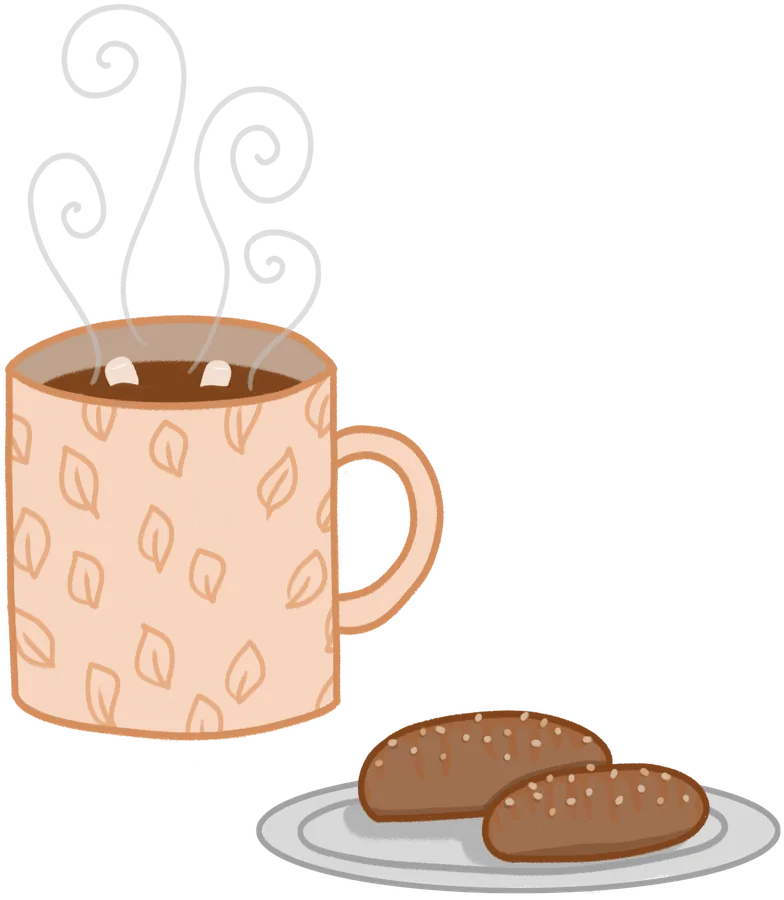
Just pause
Katia's words, as printed in the book Take a break, look around. Do you see anything cool? Pay attention, give it some time. Can you feel grateful to have it in your life?Do you hear anything nice? Does a smell tickle your nose? Or do you taste something yummy? Pause and observe how you feel when you think about those things.
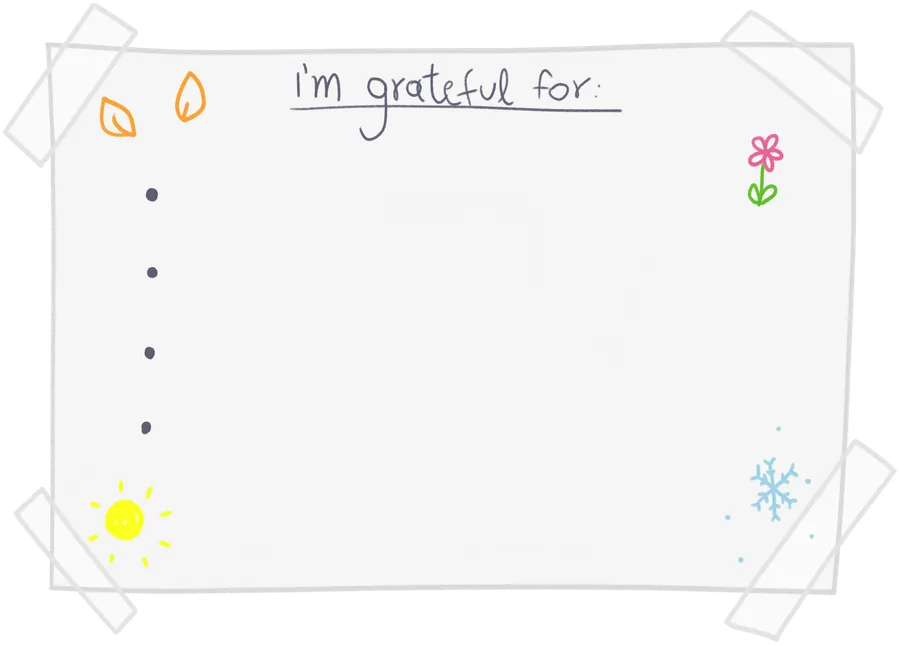
Write a “thank you” note
Katia's words, as printed in the book Take a piece of paper, color it and write “thank you” to someone you appreciate.Maybe you can draw something beautiful.Put the paper in an unexpected place, maybe in a pocket, in a bag, in the office, or even in the fridge!

Make a family “box of gratitude”
Katia's words, as printed in the book Choose a box, or a jar.Decorate it! Use different colours, glitter, stickers etc.!When you feel grateful for something you can write it down and put it in the box. Ask the others to do it too.Take one and read it when you feel that you need to cheer up!
For grown-ups
How to teach gratitude to kids
Gratitude is a skill, and it grows slowly. Young children learn the words first (“thank you”) and the feeling later. What helps most is saying your own thanks out loud and talking about good moments when they happen.
Researchers at the University of North Carolina describe gratitude in four parts: notice the good thing, think about why someone gave it, feel how it feels, and do something to show it. When 100 parents of 6 to 9 year olds kept diaries, most prompted the polite thank you, but only about one in five asked their child why they got something. That's the Think step, and it's the one worth adding.
What gratitude is, in the book
You know, it's that feeling we get, when we pay attention to the beautiful things we have in our lives, even the days that everything seems to be black.
That's Fall, explaining it to his siblings. Then he opens his notebook and shows them the warm boots a friend lent him, and the day he stopped to enjoy a hot drink.
For grown-ups
Notice, Think, Feel, Do
Older children do all four on their own; younger ones need a grown-up to ask. You don't need all four every time. Pick a moment (a present, a playdate, a dinner someone cooked) and try one question. The questions follow the Greater Good practice for families, in our words.
Notice
Spot the good things you have, and the person behind them. "Look, Grandma knitted you a hat."
You could ask
- What is one good thing that happened today?
- Who helped you today? What did they do?
- What do you have that you really like?
Think
Wonder why you got it. Did they have to? Why do you think they did it?
You could ask
- Why do you think Grandma made that for you?
- Did they have to do it? Why do you think they did?
- What did they give up to help you: their time, their turn, their snack?
Feel
Talk about how it feels inside, and what about it makes you feel that way.
You could ask
- How did it feel inside when they did that?
- Where do you feel it: in your tummy, your face, your hands?
- What part made you feel the best?
Do
Find a way to show it: a hug, a drawing, a thank you note, or something kind for someone else.
You could ask
- How could we show them we liked it?
- Would you like to say it, draw it or give a hug?
- Is there something kind you could do for someone else?
Sources: Andrea Hussong (UNC), Greater Good, 2017; Greater Good in Action: Gratitude Questions for Kids
What to expect at each age
Ages 3 to 4
Can learn to say thank you before they can feel it, and still find it hard to see things from someone else's side. Say thanks together, name nice things and grow feeling words like happy, cozy and proud. That is plenty.
Ages 5 to 6
Start to understand that other people have their own thoughts. A six year old may be happy with a gift and say thanks without linking it to the giver's effort yet. Ask gently why someone helped.
Ages 7 to 8
Understand gratitude more reliably, and can think about the giver's reasons on their own. This is when the Think step (did they have to? why did they?) really lands.
From Maryam Abdullah, Greater Good, 2018; Abdullah, Greater Good, 2018: little moments of gratitude; Lainie Rowell, Greater Good, 2025
For grown-ups
Three things to keep in mind
Don't force the thank you
A thank you said on command can feel empty, and turns gratitude into a chore. Say your own thanks out loud, and invite theirs without pressure.
Let disappointment be felt first
When a gift or a day lets them down, name the feeling and let it pass before you talk about thanks. Gratitude sits next to hard feelings; it does not replace them.
Match what you expect to their age
Young children forget to say thanks because the skill is still growing, not because something is wrong. It comes with time, and with seeing you do it.
When the hard feeling is big, start there. Our calm-down ideas for kids help first; the thankful talk can wait for a calmer moment.
The research
What the research says, and what it doesn't
- The talking matters most. On days when parents did more to bring gratitude up, their children showed more of it that same day. Parents who talk about gratitude and show it tend to have more grateful children. (Greater Good in Action, UNC)
- The thinking can be taught, from about 8. In one school program, 8 to 11 year olds learned three ideas: the helper meant to help, helping cost the helper something, and the help was worth something to them. Two days later they wrote 80% more thank you notes. (Froh, Bono and colleagues, 2014)
- Lists on their own are not magic. In a small study, 5 to 11 year olds who drew something they were grateful for each week did no better than children who drew something else, and a 2016 review found school gratitude programs for young people mostly made little difference. (Owens and Patterson, 2013; Bono, 2017)
So we offer jars, journals, trees and calendars as family rituals and a reason to talk. Nobody has shown that a daily list on its own makes a 5 year old happier, but the talking that comes with it is the part the research backs.
A gratitude challenge for kids
30 days of thanks for November, or any month
One small thankful thing a day, from noticing a nice sound to hiding a thank you note. Each day says which step it is: Notice, Think, Feel, Do, or something from the book. Your child colors a leaf when it's done. The November calendar starts on Sunday 1 November 2026 and has Thanksgiving on Thursday the 26th; the other one starts whenever you like.
Rather do it on a phone or tablet? Grow a leaf a day on our thankful tree.
30 days of thanks: November 2026
A calendar for November, one small thankful thing a day, with Thanksgiving on Thursday the 26th. Color a leaf for each day.
Ages 4 to 8 · 1 page · PDF
30 days of thanks: any month
The same 30 ideas as Day 1 to Day 30, to start on any day of the year.
Ages 4 to 8 · 1 page · PDF
The 30 ideas
- 1.Find 3 things at home that you like. Notice
- 2.Look outside. What do you love to see? Notice
- 3.What made you smile today? Feel
- 4.Say thank you to someone at dinner. Do
- 5.Who helped you today? Notice
- 6.Why do you think they helped you? Think
- 7.Like Fall's boots: what keeps you warm? From the book
- 8.Sip a warm drink slowly. How does it feel? From the book
- 9.Close your eyes. What nice sound can you hear? Notice
- 10.Draw a picture for someone you love. Do
- 11.What food do you love most? Notice
- 12.Who made your dinner? What did they do? Think
- 13.Help with one small job at home. Do
- 14.Give a hug. How does it feel? Feel
- 15.Find something lovely outside: a leaf, a cloud, a puddle. Notice
- 16.Just pause. What can you smell right now? From the book
- 17.Hide a thank you note somewhere surprising. From the book
- 18.What is a friend really good at? Think
- 19.What toy or game do you love? Notice
- 20.Think of a happy day. Color it in. Feel
- 21.Say thank you to a teacher or a helper. Do
- 22.Draw the people in your family. Notice
- 23.What can your body do that you like? Notice
- 24.Put a thankful note in your jar or box. From the book
- 25.What was the best part of today? Feel
- 26.At dinner, everyone says one thank you. Do
- 27.Who made something you use every day? Think
- 28.Which season do you like best? Why? From the book
- 29.Share something with someone today. Do
- 30.Look back. Which day did you like most? Feel
In November
Gratitude at the Thanksgiving table
Thanksgiving is the one day when a whole table stops to say thank you, so it's a lovely place to start. Go around the table and let everyone say one thing, big or small. Little ones can whisper theirs to a grown-up, or point. Put a gratitude jar on the table and read the notes over dessert. Or start the 30 days on 1 November, and Thanksgiving is day 26.
Canada celebrates Thanksgiving in October, and World Gratitude Day is 21 September. Gratitude isn't only for November, though: the undated calendar, the jar and the notes work in any month.
More for the table: Things to be thankful for, Thankful tree and Gratitude jar.
In the book
Meet the four seasons
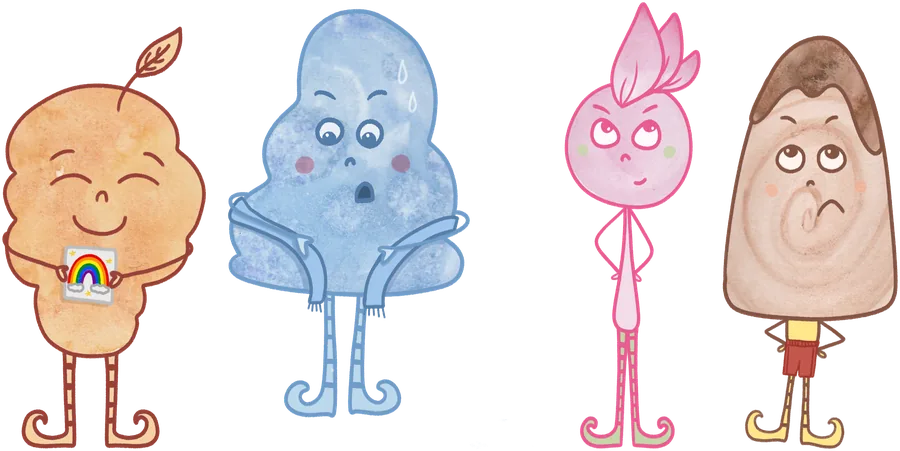
In Finding Gratitude, the four seasons are siblings who meet for one snowy evening in a chalet. Fall arrives last. There's more about each season on our four seasons for kids page.
Fall
Arrives late and full of joy, in his coat with the big leaves. He keeps a notebook of the moments he felt grateful.

Winter
Always in a rush, with a honey-cake in the oven. He has only a moment with Fall before he takes over.
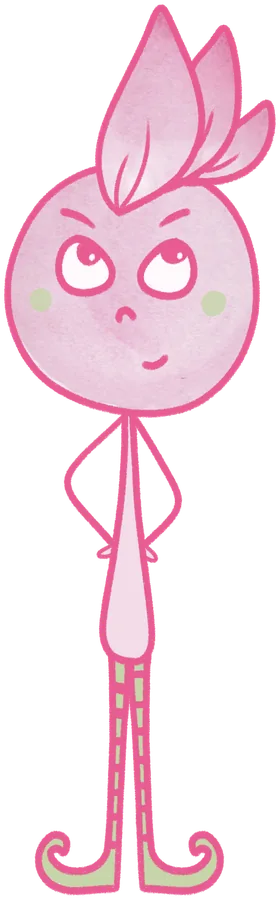
Spring
A bit annoyed and a little sarcastic. She gets bored when Fall is away, but she runs straight at him when he comes.
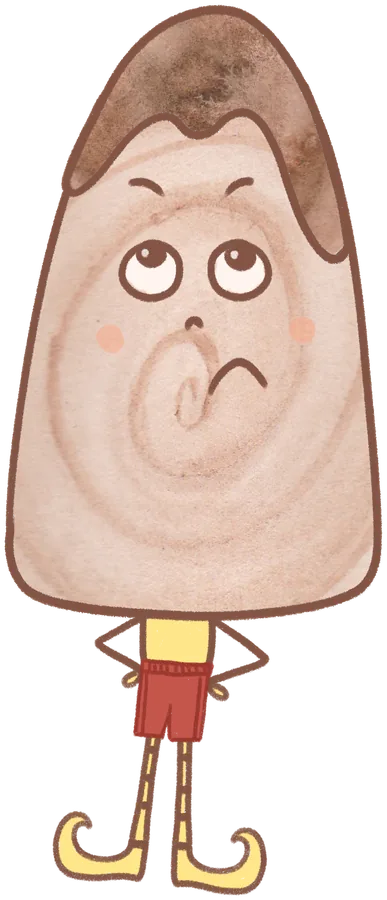
Summer
Loves the heat but melts by the fire, so she lives on the balcony. She needs Winter's snow to cool down.
Questions
Grown-ups ask
What does gratitude mean for kids?
Gratitude is noticing the good things in your life, big and small, and the people behind them, and feeling warm about it. In Finding Gratitude, Fall puts it like this:
You know, it's that feeling we get, when we pay attention to the beautiful things we have in our lives, even the days that everything seems to be black.
For a young child it can be as simple as: I love my warm boots, and Grandma gave them to me.
At what age do children understand gratitude?
Toddlers can learn to say thank you before they can feel it. Around 5 to 7, many children start to see that someone made an effort for them, and from about 7 to 10 most children understand and show gratitude more reliably. With a 4 year old, saying thanks together and noticing nice things is plenty.
How do I teach gratitude to my child?
Say your own thanks out loud, and talk about good moments when they happen. Researchers at the University of North Carolina describe four parts: notice, think, feel and do. Most parents remember the thank you and skip the thinking, so ask why someone helped. A jar, a journal or three good things at dinner give you a reason to talk every day.
What is the difference between gratitude and manners?
Manners are the words: please and thank you. Gratitude is the noticing, thinking and feeling behind them: seeing a kindness, seeing the effort someone made, and wanting to give something back. Children often learn the words first and the feeling later, and children as young as 6 can already tell a polite thank you from one that is meant.
What if my child doesn't feel thankful?
That is normal. A tired, cross or let-down child can't always feel grateful, and older children say so themselves. Name the feeling first, let it pass, and come back to the thankful talk later. Point out everyday help too, not only special gifts. And keep saying your own thanks out loud, without asking for theirs.
Do gratitude jars and journals really work for young kids?
We see them as family rituals and a way to talk, not a cure. Research with children ages 4 to 8 is thin, and a daily list on its own has not been shown to make young children happier. What researchers do find is that parents who talk about gratitude and show it tend to have more grateful children. So the talking matters more than the jar.
Are the gratitude printables free?
Yes. Every sheet on this page is free for home and classroom use, with no sign-up and no email. Each one comes in US Letter and A4, in color and in black and white. To share them, please share the link to this page, not the file.
Every gratitude page
 Thankful treeA printable tree and Fall's leaves, in words or pictures, and a leaf a day.
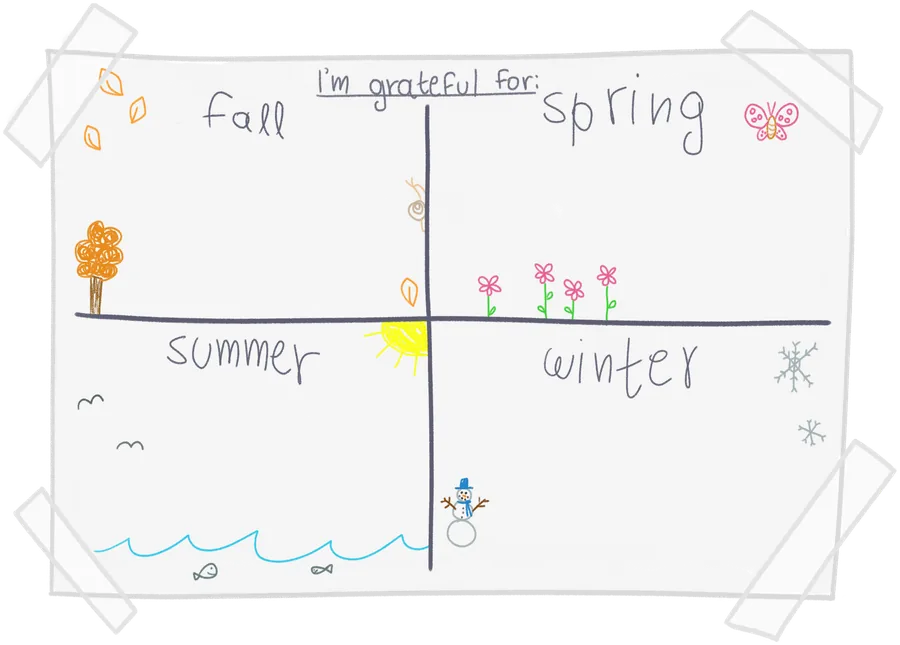 "I am thankful for" sheetsFall's four boxes as sheets by age: draw, trace or write, with a "because".
 Things to be thankful for100 ideas and questions by age, for dinner, the car or bedtime.
- Gratitude jarThe book's family box of gratitude: prompts, slips to print and a jar label.
 Thank you notes for kidsCards to fill in or draw in, and the book's hide-a-note game.
- Gratitude journal for kidsDraw three things a day, like Fall's notebook: 7 days or 30.
 The four seasons for kidsFour siblings, four seasons: a chart, a wheel to spin and sorting cards.
- Gratitude coloring pagesThe book's own line drawings, with a thankful box to fill on every page.
Free tonight
Fall's 7 Thankful Nights
A short thankful moment at bedtime for 7 nights, with Fall and a gentle voice, on a phone or tablet. Night 1 is free and opens right away. If your child likes it, we can email you the other six, one a night.
Open night 1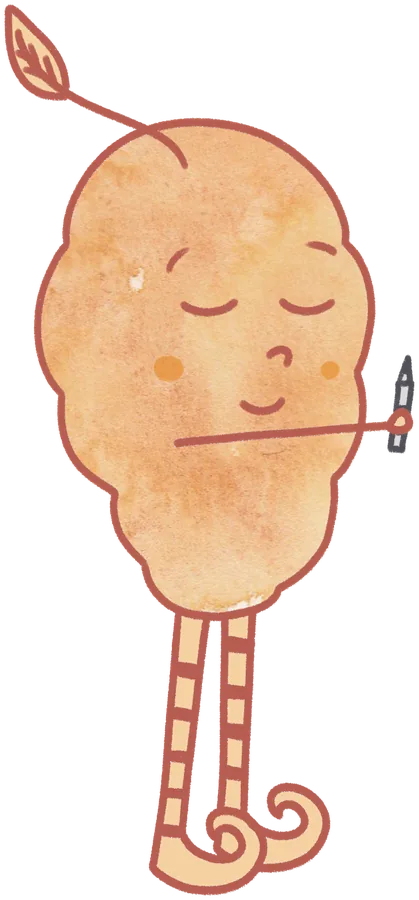
Meet the book
Finding Gratitude
Our picture book for ages 4 to 8 · coming this October
Four siblings, the four seasons, meet for one snowy evening: Fall full of joy, Spring a bit annoyed, Summer melting away and Winter in a rush.
A story about the love that siblings share, and how Fall found gratitude by changing the way he looks at his days.
Fall, his siblings and every picture on these pages come from it. The book isn't out yet.